Solar Encounter Alters Rotation of Comet 41P, Study Reveals.

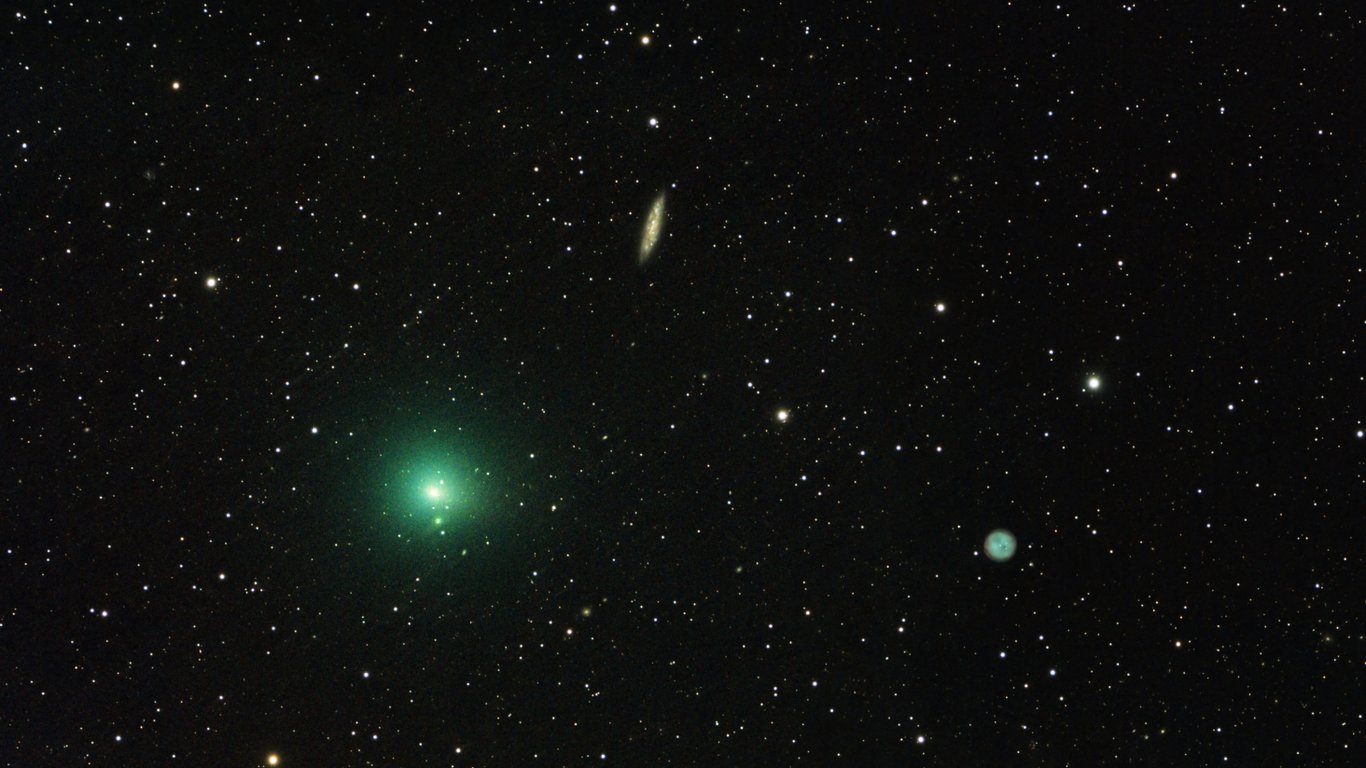
Comet 41P/Tuttle-Giacobini-Kresak Under Scrutiny
According to Novyny.live: A new study of comet 41P/Tuttle-Giacobini-Kresak reveals dramatic alterations in the rotation of its nucleus following a close approach to the Sun in April 2017. The comet's rotation period surged from 20 to 53 hours over a two-month span during this solar encounter. After December 2017, the spin rate stabilized at a much faster 14.4 hours. This indicates highly dynamic processes occurring within the comet's core, driven by intense solar radiation.
Estimates suggest the nucleus's rotation nearly halted around June 2017, pointing to intense activity that likely drove the subsequent changes. With a diameter of roughly 500 meters, the comet has exhibited a decline in surface activity since the early 2000s. This trend raises concerns that the nucleus could disintegrate within a few decades, a fate observed in other fragile comets.
Parallels with Interstellar Object 3I/ATLAS
In a related development, the interstellar visitor 3I/ATLAS also displayed significant changes in its shape and ice emission. Initial size estimates for 3I/ATLAS were later found to be exaggerated, highlighting the inherent challenges in studying such distant and volatile objects. Research on comets like 41P/Tuttle-Giacobini-Kresak provides crucial insights for understanding the evolution and behavior of all comets within our solar system.
Overall, the radical shift in Comet 41P's rotation after its solar flyby poses new questions for astronomical research, particularly regarding the mechanisms that can alter a comet's spin and activity over time. These studies are vital for understanding not only individual comets but also the broader dynamics of small bodies in our cosmic neighborhood. Changes in rotation can offer clues about a comet's internal structure, composition, and response to external forces like solar heating. Continued observation and analysis will help scientists better predict comet behavior and assess any potential long-term risks they may pose.
Read also
- NATO Ready to Bolster Air Defenses as Lithuania Tightens Infrastructure Security Amid Russian Threats
- UK and Germany Team Up on 2,000 km Strike Missile Aimed at Russia
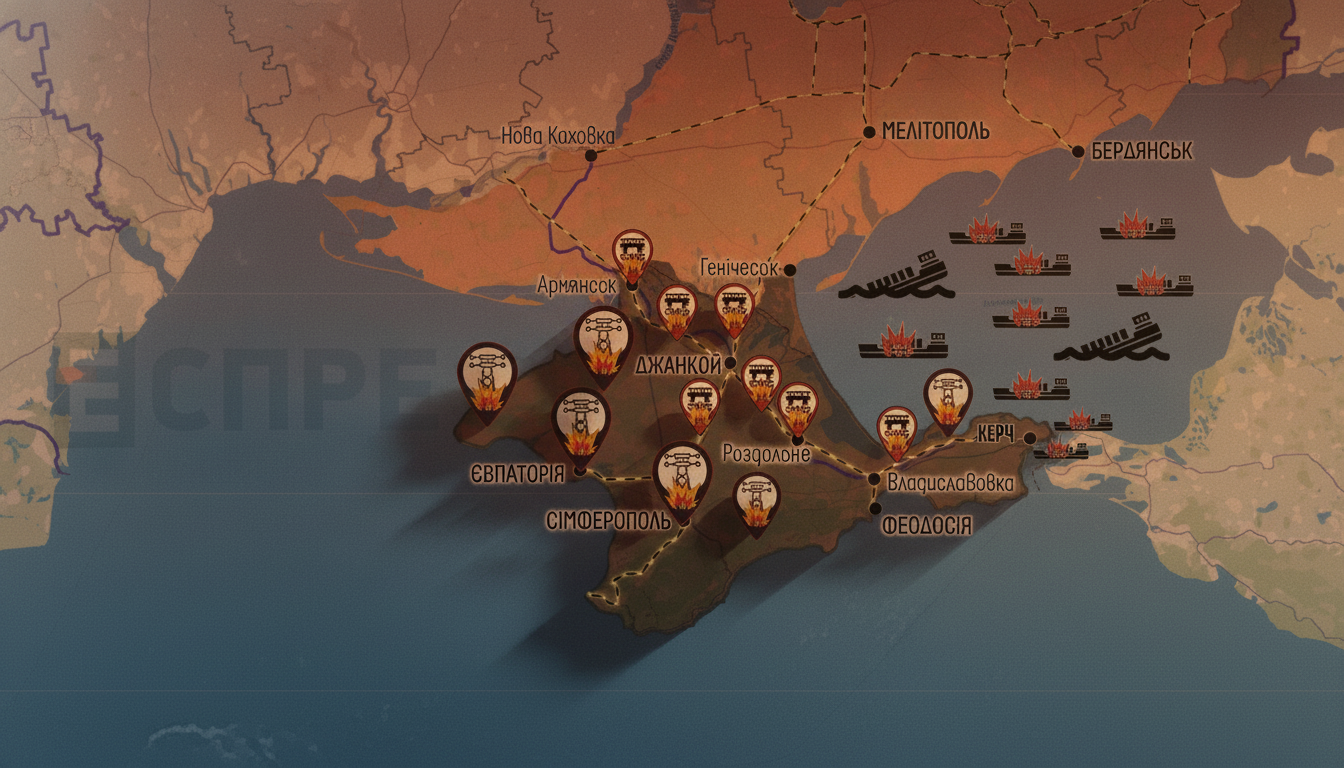
- NATO Intensifies Black Sea Surveillance Following Ukrainian Strikes on Crimea
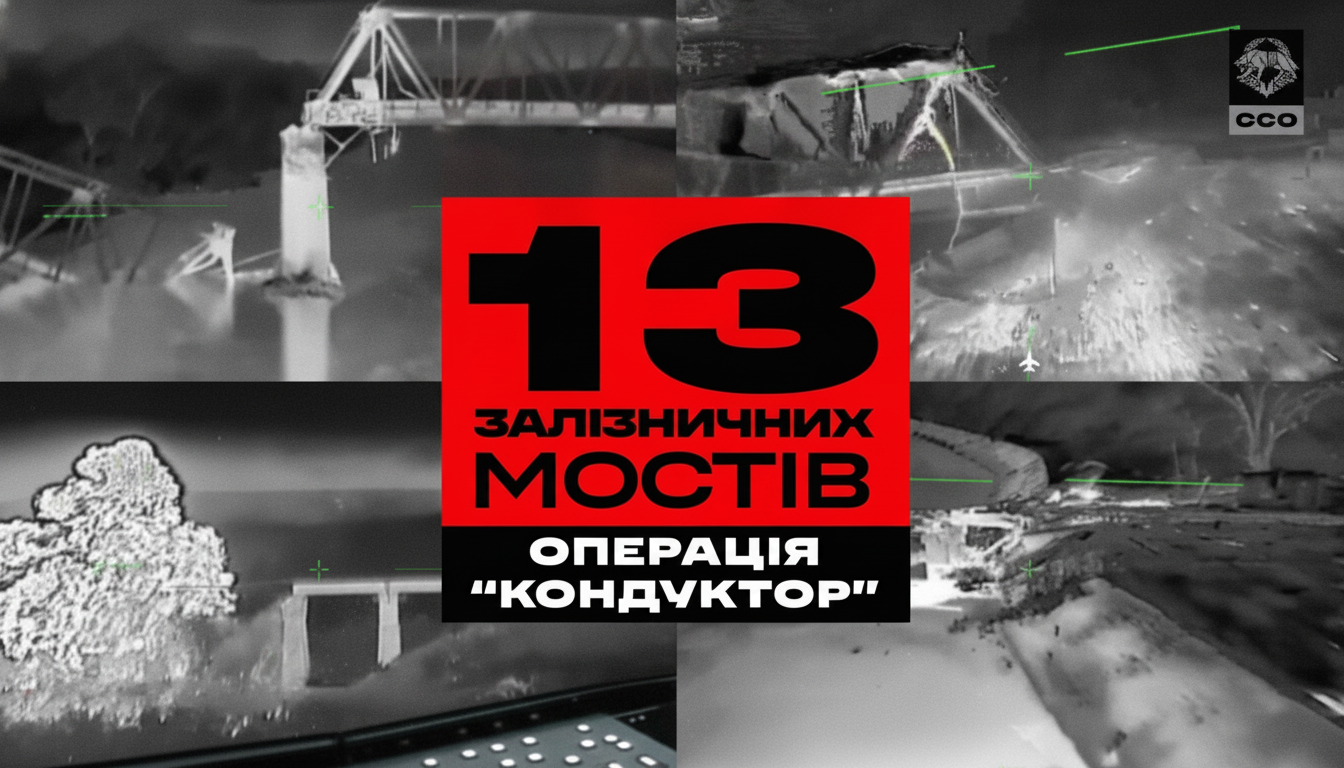
- Operation 'Conductor': 13 Railway Bridges Destroyed by Ukrainian Special Forces on Occupied Territory
- Italy’s Defense Minister Sets Key Condition for Ending the War in Ukraine
- Ukraine Repels 63 Attacks in a Single Day: Heavy Fighting Concentrates in Donbas Region