How Air Conditioning Turned US Homes Into Deadly Traps—And Why Millions Are at Risk.

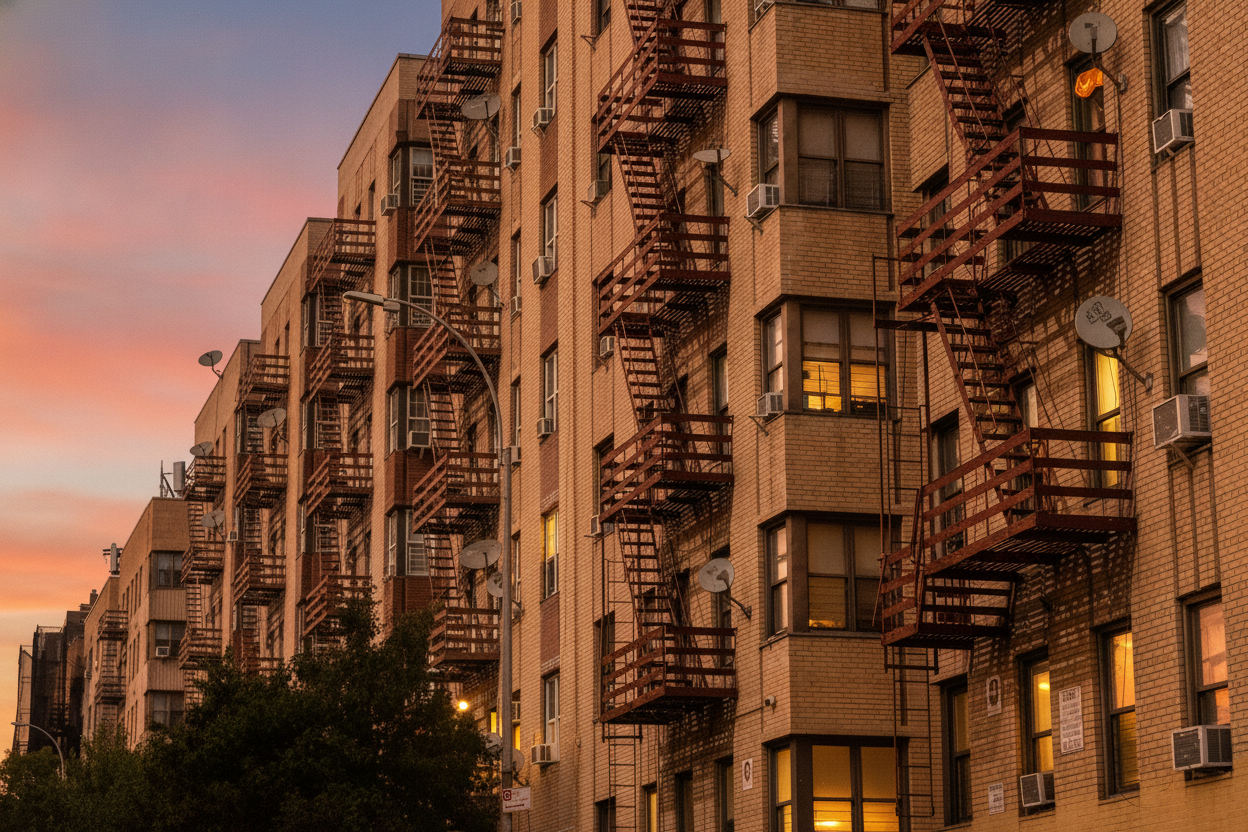
The Architectural Impact of Air Conditioning in the United States
According to Vox - Загальний: Air conditioning has fundamentally reshaped architecture and construction across the United States, altering how buildings are designed to cope with extreme heat. Yet, alongside its benefits, this technology has exposed a critical vulnerability in the system, especially during power outages. Since the widespread adoption of air conditioning, the likelihood of Americans dying from heat-related causes has dropped by 80%. However, this progress is threatened by a troubling trend: the frequency of power outages in the U.S. has doubled over the past two decades, turning modern homes into potential death traps when the electricity goes out.
A pivotal moment in the history of air conditioning came in 1947, when engineer Henry Galson developed the window-mounted air conditioner. This innovation laid the groundwork for the cooling systems found in millions of American households today. But as technology advanced, new dangers emerged. For instance, during Hurricane Beryl in Texas in 2024, a power outage led to dozens of fatalities. This tragedy highlights the lethal risk when contemporary buildings—designed without built-in safety measures—quickly become hazardous enclosures during electrical failures.
Systemic Vulnerabilities and Emerging Solutions
Researchers estimate that a two-day blackout in Phoenix would result in 12,800 deaths, underscoring the severity of the issue. In 2018, a 72-year-old woman in Phoenix died after her electricity was cut off due to unpaid bills, further illustrating the system's fragility. As Alexander Gard-Murray notes,
“the moment the power goes out, buildings turn into ovens”.
In response to these challenges, interest in passive cooling is growing. This approach can significantly reduce reliance on air conditioning and lower electricity bills. Consequently, the future of American architecture may be shaped not only by cooling technologies but also by innovative strategies that address societal needs and environmental pressures.
Given the escalating danger tied to power outages, it is essential for architects and engineers to incorporate alternative cooling methods into their designs. These could include:
- using natural materials,
- positioning buildings to maximize shade and airflow,
- and other strategies that reduce dependence on electrical systems.
Adapting to these new realities will be crucial for ensuring public safety and comfort in the face of climate change.
Read also
- Three Ukrainians Without Documents Rescued from Occupied Territories Under Bring Kids Back UA Initiative
- Ukraine’s first underground kindergarten opens in Kharkiv, accommodating 260 children
- Ukraine's ports crippled by Russian strikes: 28 vessels hit, 21 killed
- 24 Children Rescued from Occupied Territories by Save Ukraine, Including Injured 13-Year-Old Anhelina
- Woman Faces Up to 7.5 Years in Prison After Attacking Children for Speaking Ukrainian in Poland
- One of the Most Recognizable Voices on Ukrainian Radio, Journalist Oleksandr, Has Passed Away