One in Four Children in Germany Receives Social Benefits: Reasons.

Dependency of Minors in Germany on State Support
According to inkorr.com: Germany has a critically high level of dependency among minors on state assistance. According to data from the Federal Ministry of Labor and the Federal Employment Agency, by mid-2025, around 24.5% of children (approximately one in four) live in households that receive social benefits. This was reported by
"Glavkom"citing Bild.
Social Support for Minors in Germany
In Germany, about 3.42 million children and teenagers receive various forms of social support. The main categories of assistance include:
- Bürgergeld (unemployment assistance): 1.81 million minors.
- Kinderzuschlag (child supplement): 1.3 million children.
- Asylbewerberleistungen (benefits for asylum seekers): 136 thousand children.
- Hilfe zum Lebensunterhalt (livelihood assistance): 23 thousand children.
Causes of Dependency on Social Benefits
The Federal Employment Agency points to significant immigration in recent years as the main cause of these high numbers. Many immigrant families are forced to rely on government support due to the prolonged process of labor market adaptation.
Consequences of Social Dependency
Among the 1.81 million children receiving Bürgergeld, 854 thousand are not German citizens. Economist Bernd Raffelhüschen from the University of Freiburg notes serious side effects of such dependency.
"If many children grow up with the experience of dependency on social benefits, it leads to serious side problems," says Raffelhüschen.
State support is important, but the high level of dependency among minors on social benefits can have negative consequences for society, including economic and social issues.
This situation indicates the necessity of reviewing approaches to integrating migrants and reducing dependency on government assistance. In particular, it is important to create conditions under which young people can access education and employment to ensure their independence in the future.
Studying this issue will be relevant for German society, as the growing social dependency can have far-reaching consequences for the community and the economy of the country as a whole.
Read also
- Three Ukrainians Without Documents Rescued from Occupied Territories Under Bring Kids Back UA Initiative
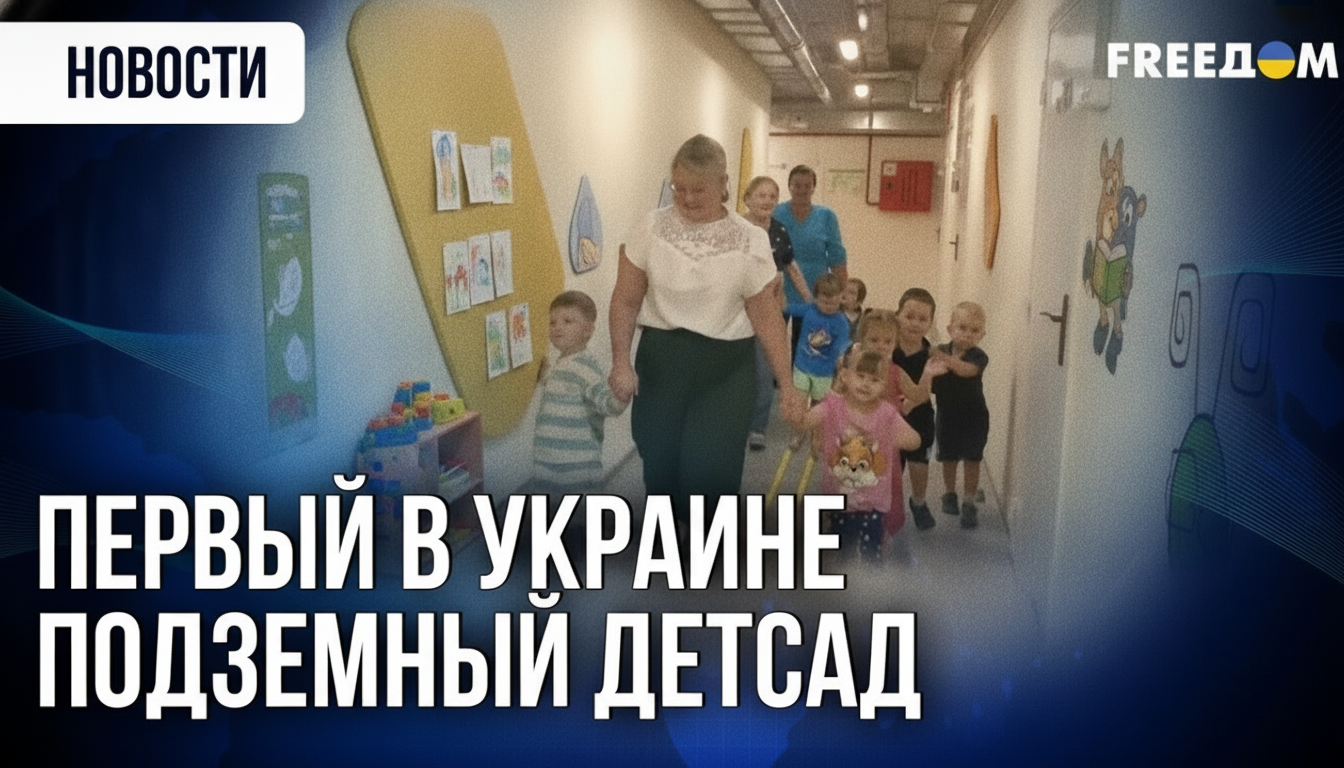
- Ukraine’s first underground kindergarten opens in Kharkiv, accommodating 260 children
- Ukraine's ports crippled by Russian strikes: 28 vessels hit, 21 killed
- 24 Children Rescued from Occupied Territories by Save Ukraine, Including Injured 13-Year-Old Anhelina
- Woman Faces Up to 7.5 Years in Prison After Attacking Children for Speaking Ukrainian in Poland
- One of the Most Recognizable Voices on Ukrainian Radio, Journalist Oleksandr, Has Passed Away