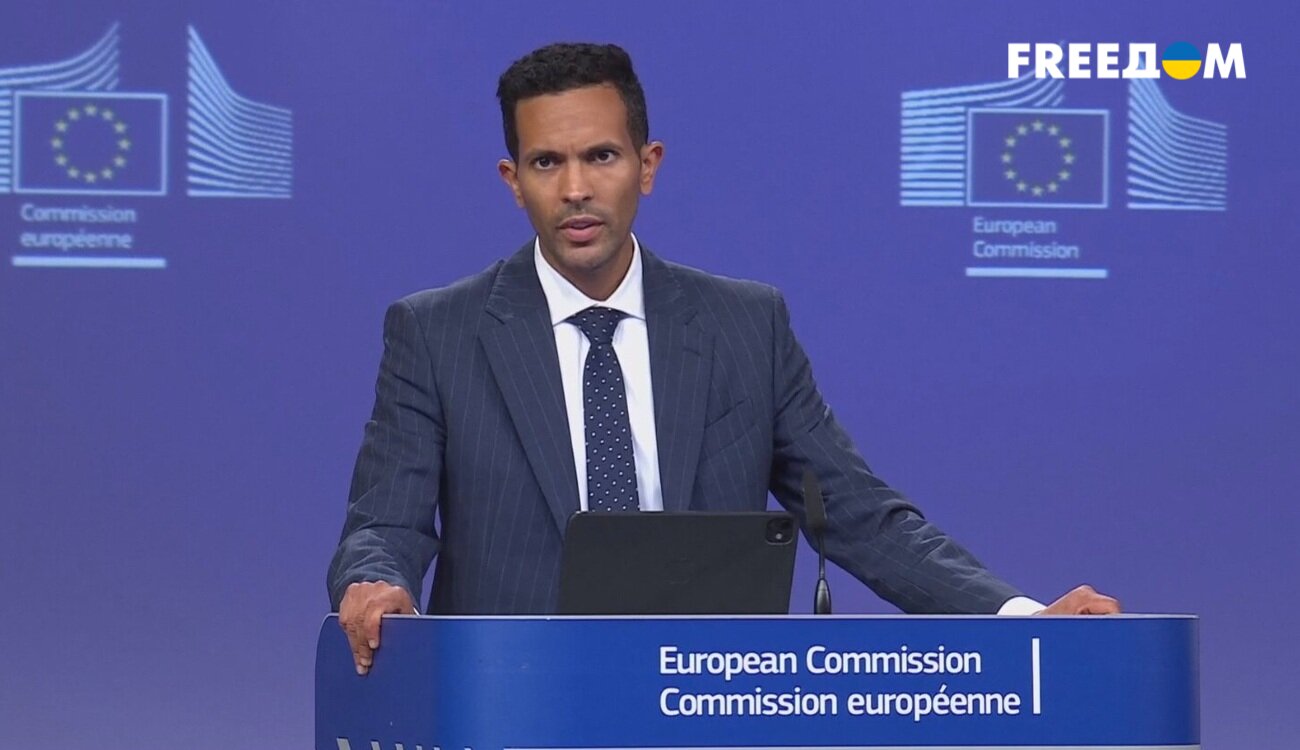
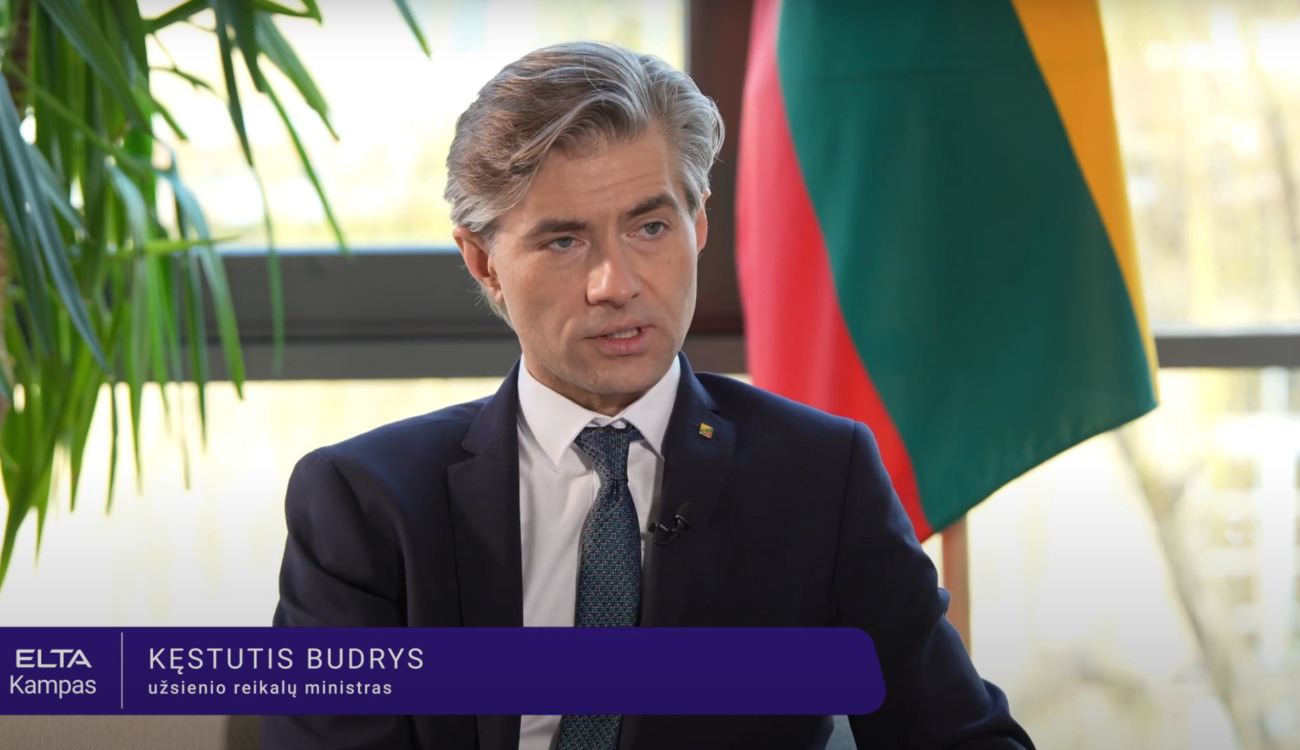
Baltic Nations Push EU to Fast-Track Russian Oil Phaseout.

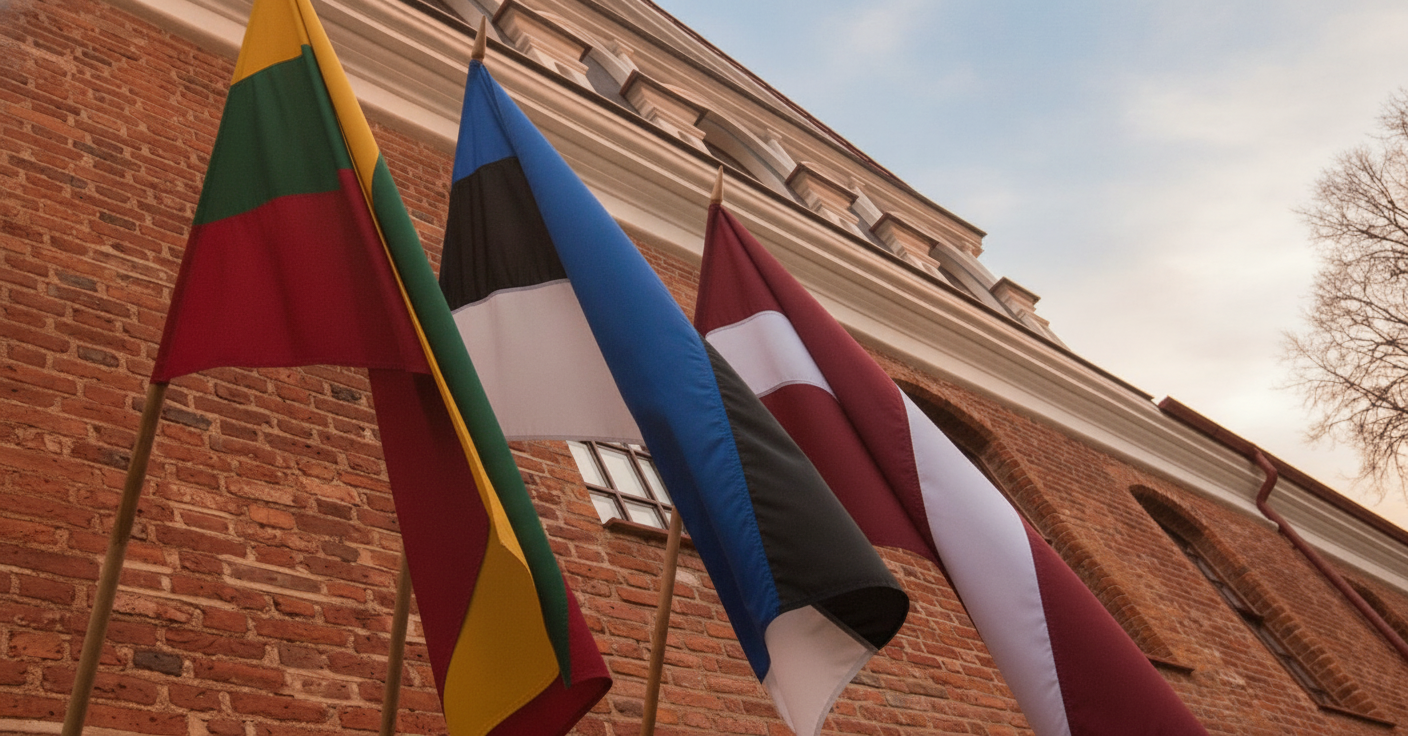
Urgent Appeal to the European Commission
According to Espreso.tv: Estonia, Latvia, and Lithuania have urged the European Commission to speed up the development of a proposal for a gradual elimination of Russian oil imports. Their concerns were raised during an EU energy ministers' meeting held on Friday. A planned ban on Russian oil was originally set to be announced on April 15, but it has yet to be put into action.
It is worth noting that Russian oil's share of total EU imports has dropped sharply from 27% in early 2022 to just 2% by 2025. That remaining 2% represents 9.7 million tons of crude oil annually. The European Union has already agreed to phase out Russian gas by autumn 2027, underscoring the bloc's drive to secure its own energy supplies independently.
Energy Landscape Inside the EU
In May of this year, the EU purchased Russian oil and gas worth €2.3 billion. Hungary remained the largest buyer of Russian oil, importing €674 million worth. This highlights that, despite ongoing efforts to reduce reliance on Russian energy, some member states continue to depend heavily on these supplies.
Additionally, on June 25, the EU Council extended economic sanctions against Russia until July 2027. The United States has also reinstated sanctions against the companies Rosneft and Lukoil.
As Wojciech Wrochna stated, 'This is the price we will have to pay for independence from Russian resources.'
Dan Jørgensen noted that 'if an agreement is reached, normalizing oil supplies will take months, and gas supplies will take years.' This situation underscores the complexity of the EU's energy transition, which demands coordinated efforts at every level to achieve energy independence.
The call from Estonia, Latvia, and Lithuania to the European Commission reflects growing tensions around energy security in Europe, particularly in light of the war in Ukraine and the continued reliance on Russian energy resources. Despite significant progress in cutting Russian oil's share of imports, EU countries still face challenges in shifting to alternative energy sources—a process that requires both time and sustained commitment. This effort has become even more critical as sanctions remain in place and the need to secure energy independence from Russia grows more urgent.
Read also
- Zelensky and Top Military Command Outline Response Plan to Russian Strikes
- EU's New Sanctions Package Targets Crypto Platforms Used to Bypass Restrictions
- New directives for Ukraine's National Security and Defense Council: Zelenskyy assigns tasks to Umerov and Klymenko
- Ukraine Extradites Former Lawmaker Demchak in Major Push to Bring Back Suspects
- EU Adopts 21st Sanctions Package Against Russia: What the New Restrictions Target
- Lithuania Accuses EU Nations of Undermining Sanctions for Their Own Economic Gain