









Advertising

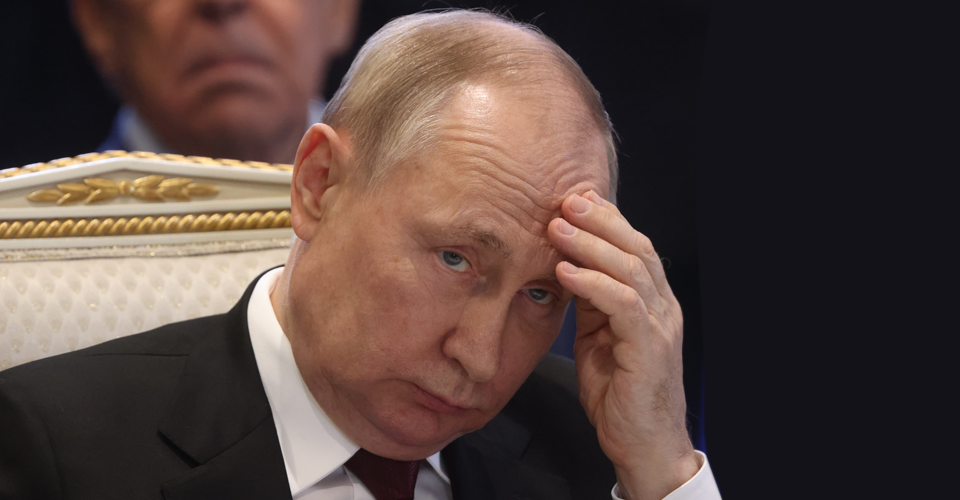
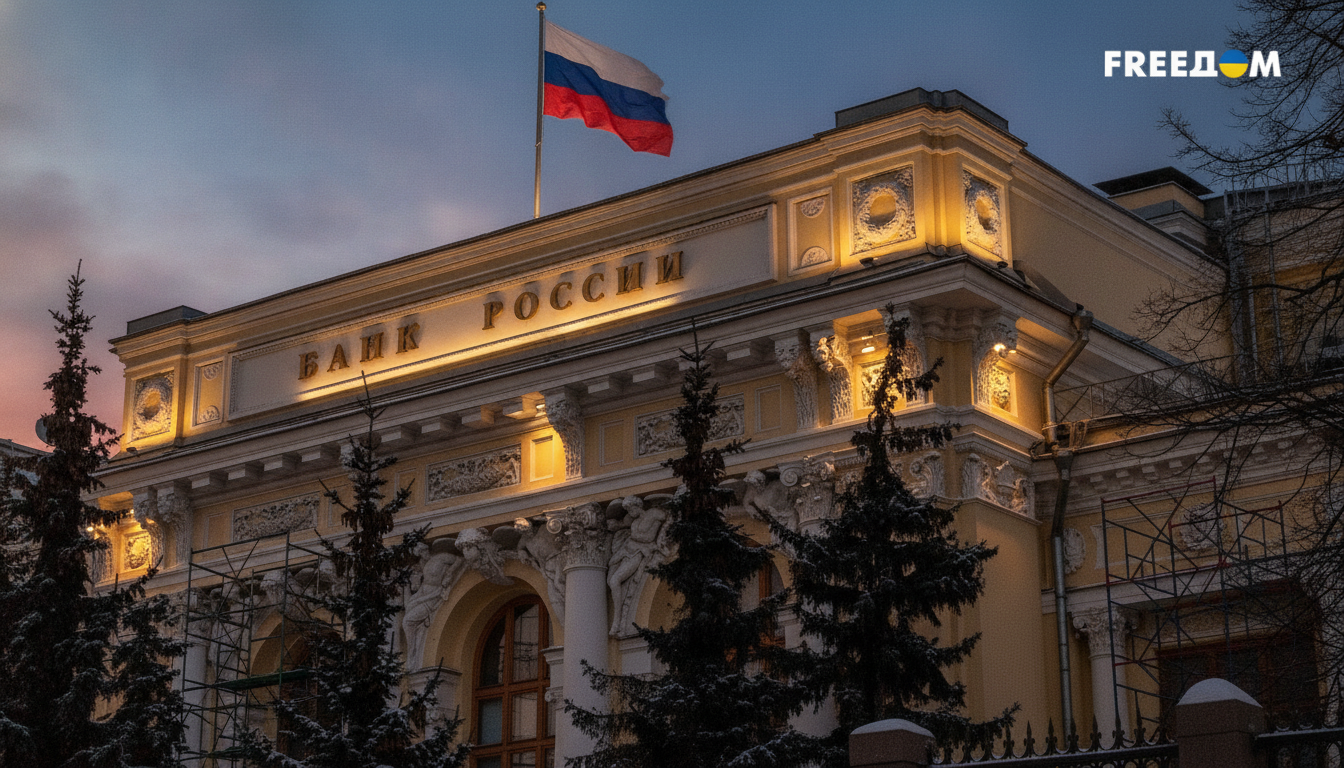

Capital Flight from Russia: Why Billionaires Are Moving Assets Abroad
Russian Capital Exodus Wealthy Russian business leaders have stepped up efforts to move capital overseas, driven by fears of asset confiscation, a worsening economy, and mounting pressure from the Kremlin. Since the start of the year, tens of billions of dollars may have already left the country. Th...
yesterday, 23:12
363
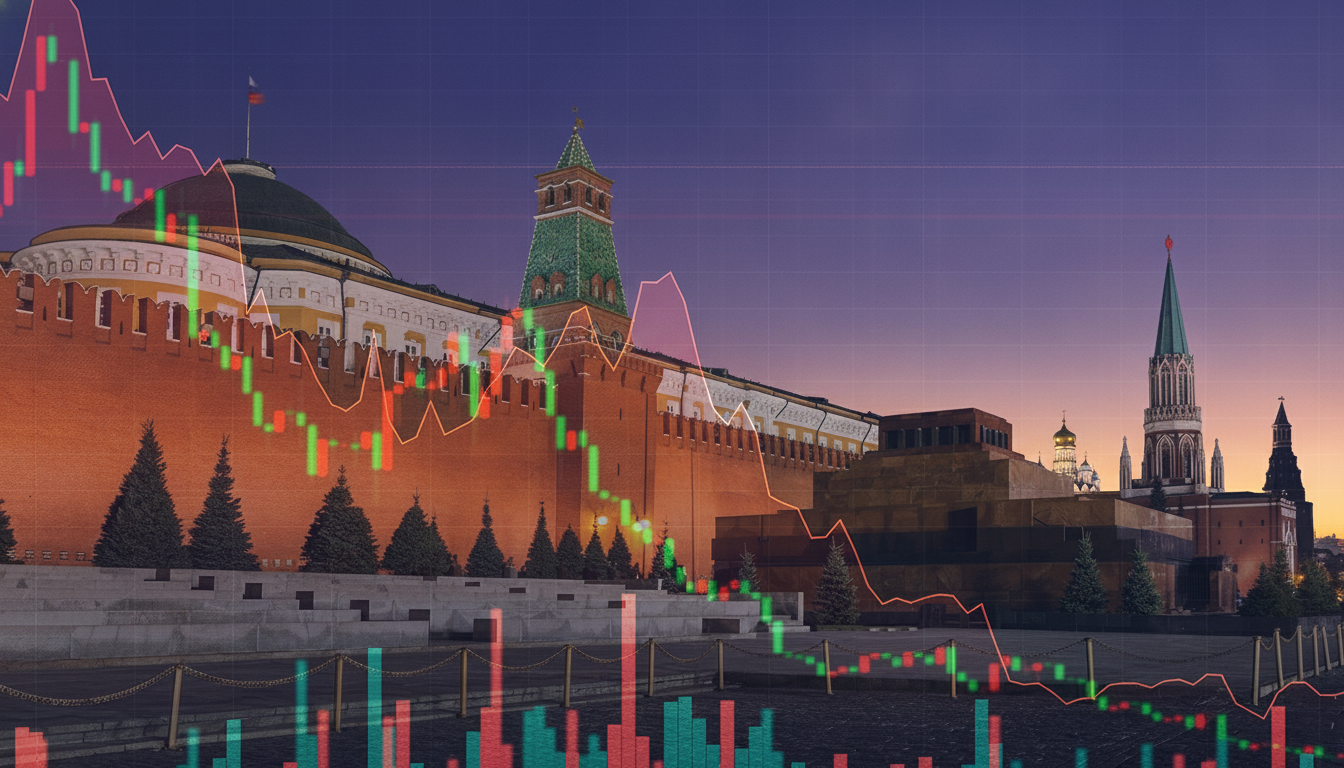
Russia’s 2026 Budget Deficit Could Hit a Record 4.83 Trillion Rubles
yesterday, 21:06
354
Horoscope
LIFESTYLE
Tourism







Tech




Society




501 Fallen Repatriated to Ukraine; Over 300 Died While in Captivity
yesterday, 17:42
360
Ukraine Receives 522 Bodies in Its Largest-Ever Repatriation Operation
yesterday, 16:48
369
Statehood Day Marked Across Ukraine with Prayer Services and Public Gatherings
yesterday, 00:30
485
Showbiz




Sports
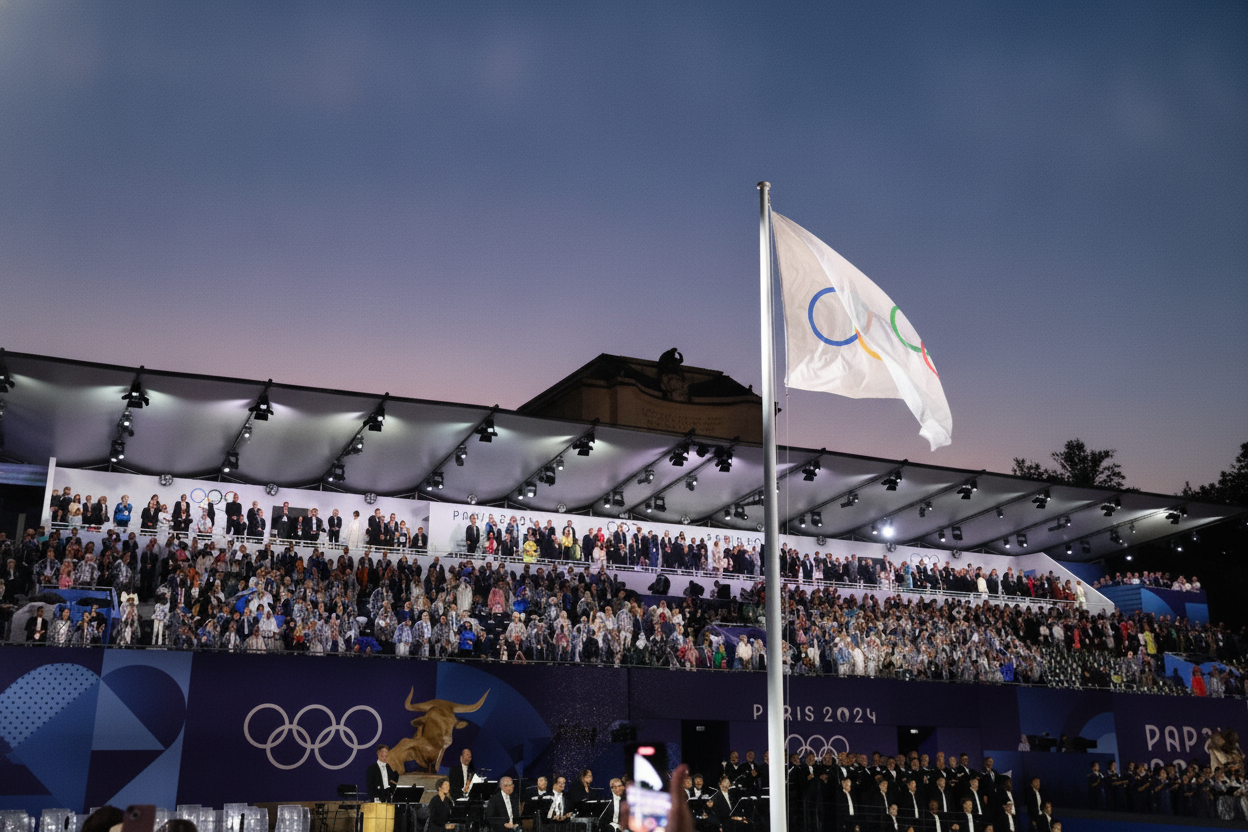
IOC Reinstates Russia's Olympic Committee: What Changed After the Controversy
yesterday, 19:54
352



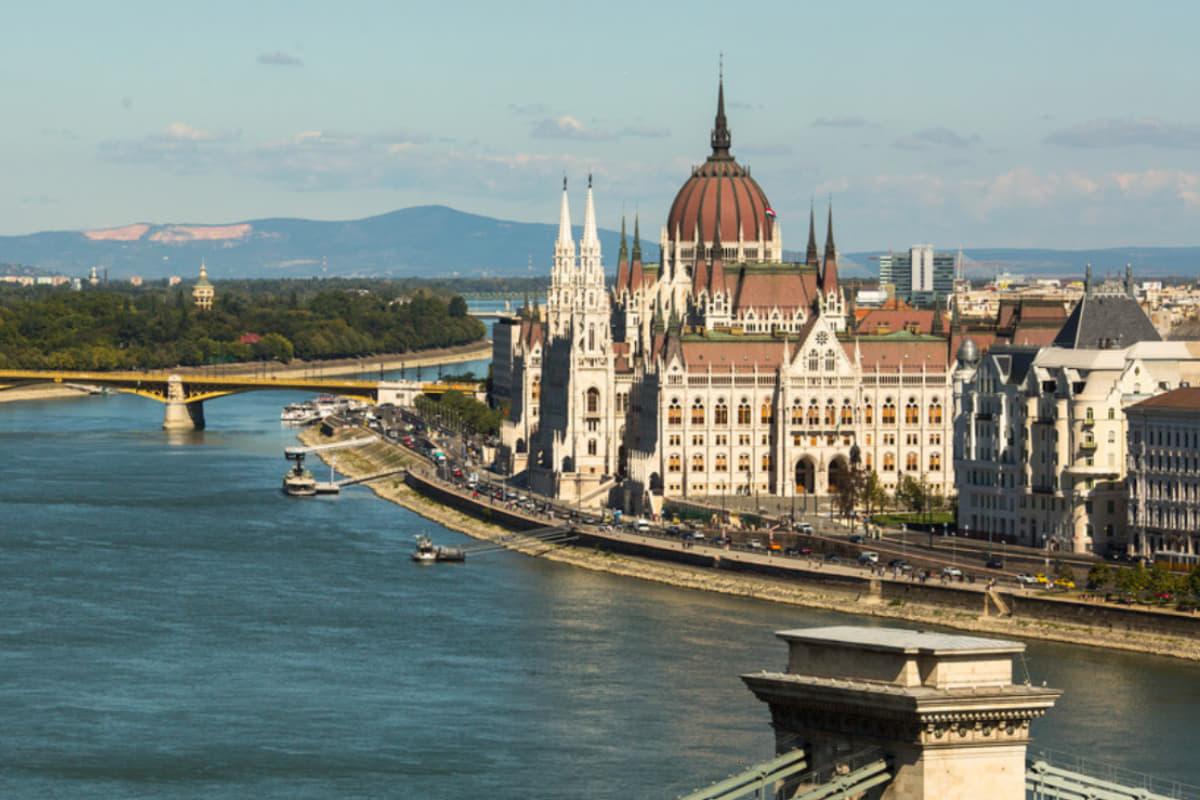
Danube Water Levels Cause 18% Drop in Hungary Cruise Bookings
today, 02:12
181
Fewer Than 10,000 Tourists a Year Visit Mauritania: A Desert Nation’s Hidden Wonders
yesterday, 01:18
471