The Dangerous Winter Gardening Myth: Why Sprinkling Grain Harms Your Soil.

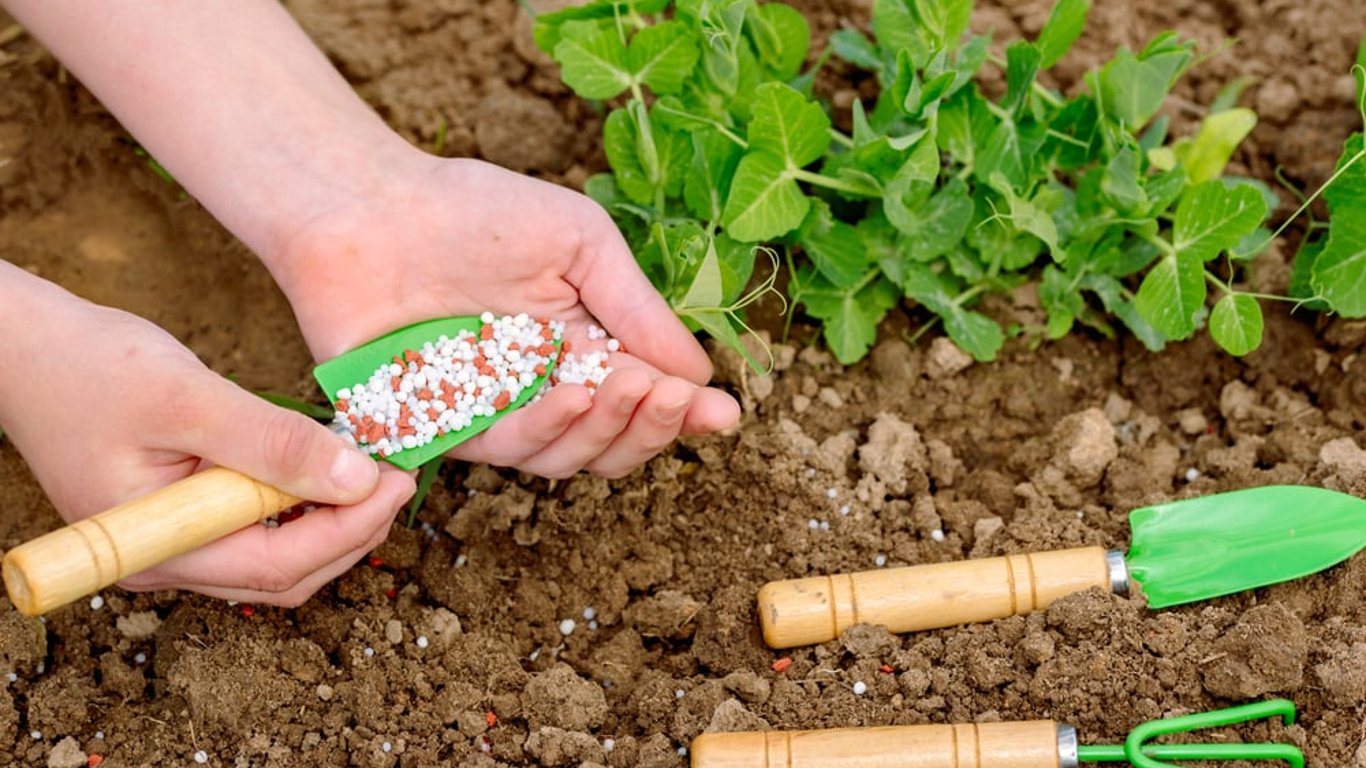
The Dangerous Winter Gardening Myth: Why Sprinkling Grain Harms Your Soil
According to Novyny.live: Gardeners often seek ways to nourish their soil during the winter months, but a widespread and hazardous myth suggests scattering grain is beneficial. This practice is not only ineffective but can cause significant damage, as grain provides no nutritional value to the soil. Understanding the risks of this wintertime misconception is crucial for protecting your garden's health.
Why Grain Fails as a Soil Amendment
Effective soil nourishment relies on materials like compost, which creates humus. In contrast, raw grain is rich in starch and cannot supply plants with the essential nutrients they require. Scattered grain does not penetrate or feed the soil, rendering this method entirely useless.
Furthermore, grain can attract rodents like mice and rats, creating additional problems for gardeners. In damp conditions, it tends to mold, which negatively impacts the surrounding environment. Another reason this practice is futile is that melting snow and rain will simply wash the grain away, stripping it of any potential positive effect on the earth.
To genuinely support your soil in winter, gardeners should apply organic matter such as:
- Leaves
- Compost
- Well-rotted manure
Using mulch also protects soil from frost and improves its structure. Sowing cover crops in the autumn is another proven method that enhances soil quality. These are standard practices in sustainable gardening and horticulture.
It is vital to recognize that the popular myth of using grain in winter can be dangerous for your garden. Instead, focus on proven techniques that genuinely nourish and restore the soil.
In summary, gardeners must be informed about soil amendment methods that actually work. Replacing false beliefs, like using grain, with science-backed practices ensures soil health and fertility, which in turn leads to better harvests. Successful plant cultivation requires knowledge and attention, so it's wise to follow research-based recommendations for the best results.
Read also
- Three Ukrainians Without Documents Rescued from Occupied Territories Under Bring Kids Back UA Initiative
- Ukraine’s first underground kindergarten opens in Kharkiv, accommodating 260 children
- Ukraine's ports crippled by Russian strikes: 28 vessels hit, 21 killed
- 24 Children Rescued from Occupied Territories by Save Ukraine, Including Injured 13-Year-Old Anhelina
- Woman Faces Up to 7.5 Years in Prison After Attacking Children for Speaking Ukrainian in Poland
- One of the Most Recognizable Voices on Ukrainian Radio, Journalist Oleksandr, Has Passed Away