EU Leaders Approve 20th Sanctions Package Against Russia as Ukraine Loan Hits a Wall.

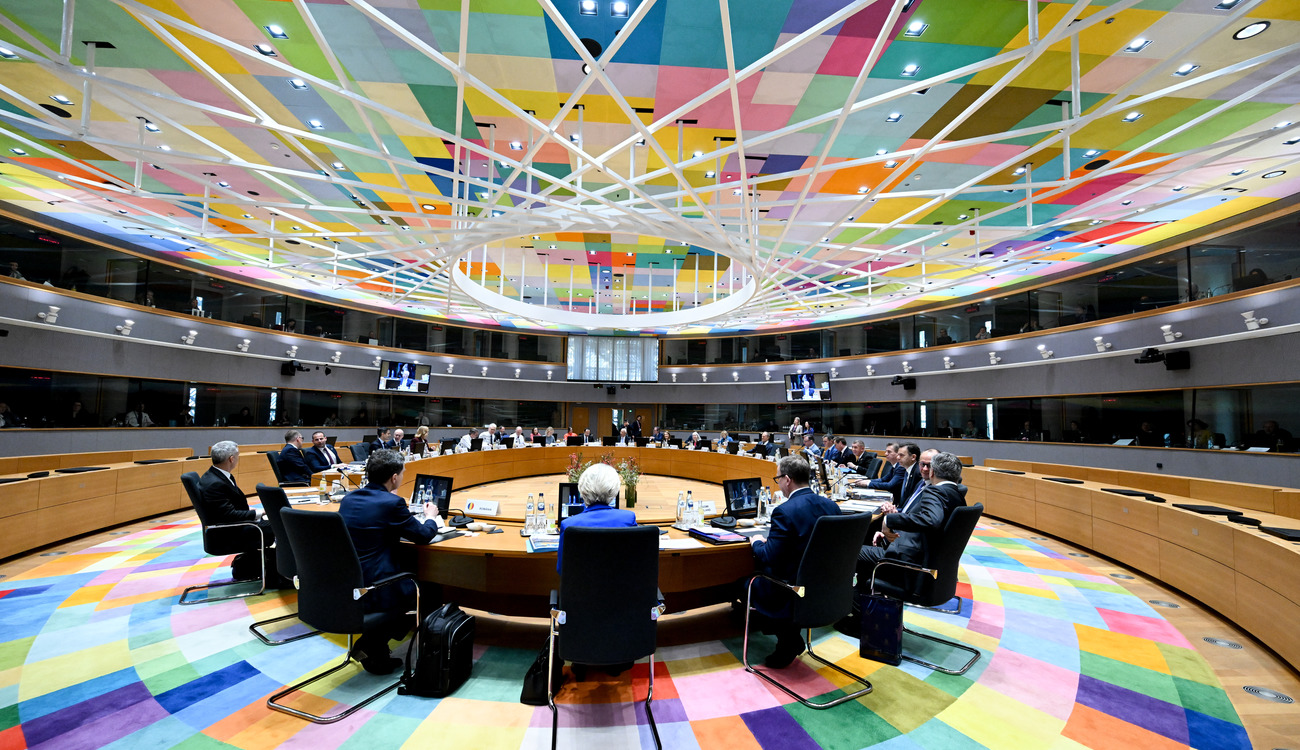
Summit of European Union Heads of State
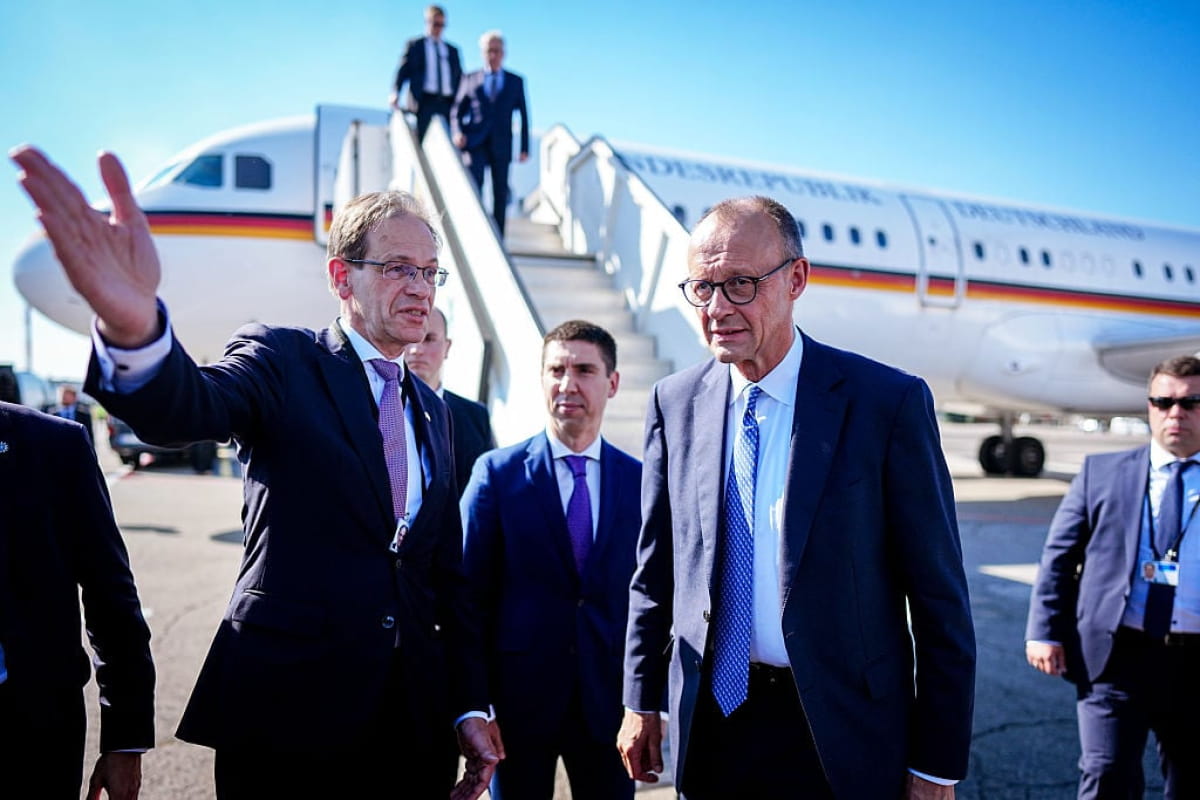
According to UATV: On March 19, EU leaders gathered in Brussels for a summit focused on critical issues surrounding support for Ukraine, the unblocking of a €90 billion loan, and the adoption of a 20th sanctions package targeting Russia. A central topic of the meeting is financial aid for Ukraine amid the ongoing war, with discussions highlighting both unity and friction within the bloc.
Ukrainian President Volodymyr Zelensky addressed the European Council session, stressing the need for continued EU backing. However, Hungary is blocking the final decision on the loan, raising alarm among other member states.
'He is using Ukraine as a weapon in his election campaign. And that is not good. We had an agreement that he broke. So we need to find a solution, a way forward, to see where we go from here.' Finnish Prime Minister Petteri Orpo
The discussions also cover the 20th sanctions package against Russia. As Estonian Prime Minister Kaja Kallas noted, 'The main issue we are now discussing is the support loan that was agreed upon by leaders back in December. And how we can make progress on this. Now is truly the time to show support for Ukraine, because the situation in the Middle East is linked to the war in Ukraine. And unfortunately, Russia is only benefiting from the situation in the Middle East.'
A key aspect of the talks is that 25 out of 27 member states have endorsed the summit's final document, reflecting broad EU solidarity on backing Ukraine and imposing sanctions on Russia. The situation remains tense, with EU leaders striving to find a path forward for continued support to Ukraine.
Active Efforts by the European Union
The summit dynamics underscore the European Union's active efforts to support Ukraine during the war, despite internal disagreements, particularly from Hungary. The backing from other EU member states highlights the importance of a collective approach to addressing international crises.
Amid global political instability, including conflicts in the Middle East, EU leaders are working to develop effective mechanisms to overcome the challenges facing Ukraine.
Read also
- Ukrainian Drone Strikes Hit Four Russian Vessels and 13 Substations: What It Signals
- Russia Spent Days Preparing Kyiv Attack, Zelensky Says
- Ukraine’s Strikes Trigger Fuel Crisis as Russia Loses 40% of Oil Refining Capacity
- Zelenskyy Urgently Calls for More Air Defense Missiles After Ukraine Downs 18 Rockets and 100 Drones
- Ukraine’s ‘MoLoChKa’ Campaign Cripples Russian Logistics and Hits 172 Vessels
- Military Strategy Meeting: Zelenskyy Reviews Frontline Defenses with Top Commanders