Lubinets Appeals to Red Cross Over Oleshky Crisis: Severe Shortages of Water and Food.

Humanitarian Disaster in Oleshky
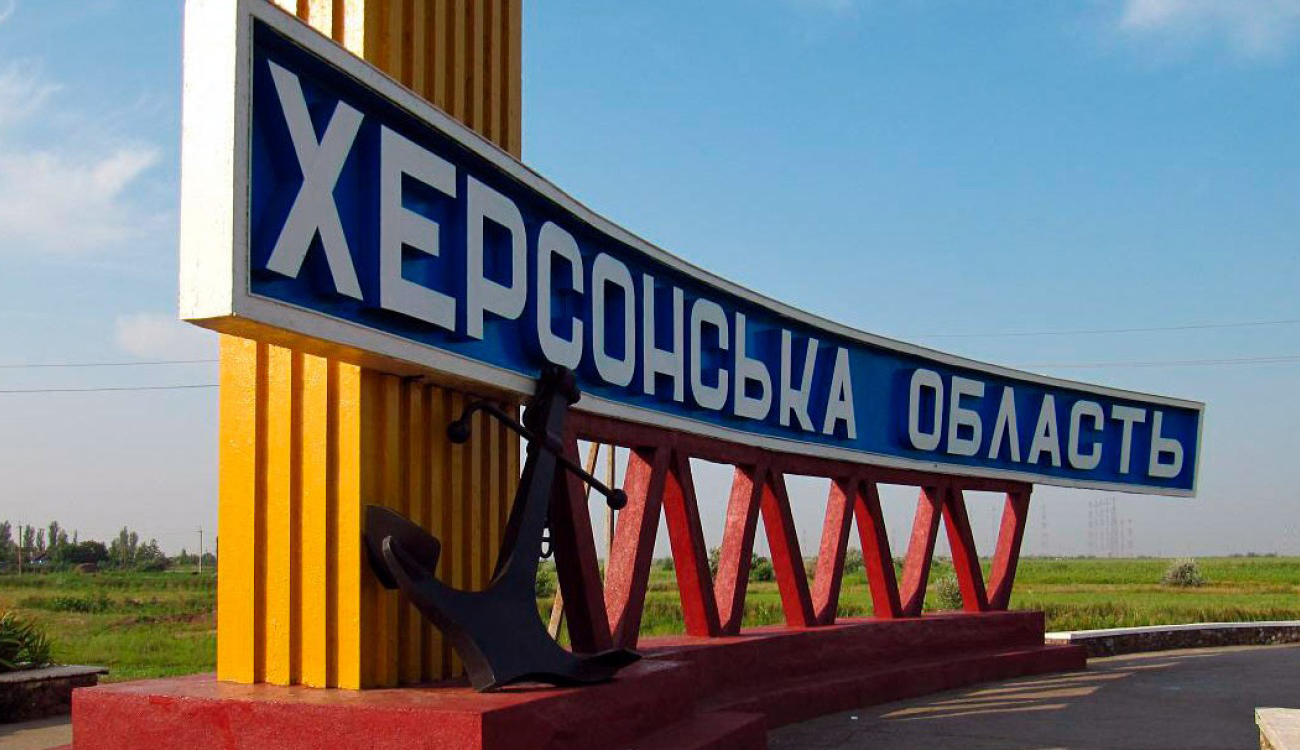
According to UATV: Dmytro Lubinets, the Ukrainian Parliament Commissioner for Human Rights, has formally contacted both the International Committee of the Red Cross and Russian authorities regarding the dire humanitarian situation in Oleshky, Kherson region. Currently under Russian occupation, the town is experiencing critical shortages of drinking water and food supplies, placing residents' lives at immediate risk.
Lubinets highlighted that Oleshky faces a catastrophic lack of potable water, no reliable electricity or gas services, and severely limited medical care.
“People are forced to ration every sip of water and every bit of food,” Lubinets stated.Conditions in the area have been deteriorating for a month, and despite appeals to the Russian side, no progress has been made.
He further described the crisis not merely as a humanitarian failure but as “deliberate terrorism by the Russian Federation against civilians.” With such a severe emergency unfolding, it is critical that international organizations and relevant bodies take immediate action to stabilize the situation.
Efforts to Aid Victims
Separately, under President Zelenskyy’s Bring Kids Back UA initiative, a 14-year-old girl named Diana and her mother were successfully returned, highlighting ongoing efforts to assist citizens affected by the war.
The humanitarian catastrophe in Oleshky stands as yet another stark example of the war’s consequences in Ukraine, demanding urgent global attention. The lack of basic necessities like water and food endangers the lives of those trapped under occupation. Lubinets’ appeal underscores the need for an international response to such crises arising from armed conflict. Meanwhile, efforts to bring children back home also demonstrate the critical importance of protecting the rights and safety of the most vulnerable populations during wartime.
Read also
- Over 9,000 Ukrainians Returned from Captivity: 96% Report Torture
- 160 Ukrainian Prisoners of War Returned Home, Including Over 100 Defenders of Mariupol
- Seven More Ukrainian Civilians Freed from Russian Captivity on June 27
- Seven Ukrainian Civilians Freed from Russian Captivity: Who They Are
- Over 1,800 Civilians Held by Russia, With Actual Toll Possibly Reaching 16,000: Ukraine’s Ombudsman Reveals the True Scale
- Ukraine’s Ombudsman Alerts: Medically Unfit Individuals Being Drafted as Recruitment Centers Ignore Health Records