Why Lviv and Vilnius Remain a Sensitive Issue for Poland and Ukraine.


The Symbolic Weight of Lviv and Vilnius
According to Espreso.tv: This article explores the symbolic significance of Lviv and Vilnius within Polish and Ukrainian cultures, along with the reconciliation challenges between Poland and Ukraine that stem from historical trauma and territorial disputes. The year 1939 stands as a pivotal and contentious date in bilateral relations, representing numerous hardships faced by both Poles and Ukrainians.
In the collective Polish consciousness, Lviv and Vilnius function as condensed symbols. These cities are deeply rooted in history and tied to Poland's cultural identity. Lviv, a city that has undergone many transformations, remains important to Poles because its historical and cultural legacy shapes part of national memory. Vilnius, meanwhile, evokes strong emotions in Polish society, as it is linked to numerous historical events and figures.
The Term 'Kresy' and Its Implications
The term 'Kresy' refers to the lost eastern territories that are central to Polish identity. These lands, which include Lviv and Vilnius, stir nostalgia and anxiety over a vanished cultural and historical heritage. At the same time, these regions are tied to memories of historical trauma, particularly the Holocaust—considered the greatest catastrophe in Poland's history. This tragedy left a deep mark on Polish society and has become part of collective memory, complicating reconciliation efforts with Ukraine.
Thus, as symbols, Lviv and Vilnius carry both cultural and historical meanings that shape modern Polish-Ukrainian relations. Mutual understanding and reconciliation between these nations are essential to overcoming the legacies of the past and building a shared future, yet historical wounds and territorial claims continue to affect these dynamics.
The symbolic meanings of Lviv and Vilnius in Polish and Ukrainian cultures highlight the complexity of historical relations between these two peoples.
Author unknown
A deeper understanding of the past—especially the term 'Kresy' and the traumas associated with it—can serve as a foundation for dialogue and reconciliation. Examining these topics is important not only for historical memory but also for shaping future Polish-Ukrainian relations amid contemporary challenges. Interaction between cultures and openness to discussing painful subjects can help build more stable and friendly ties.
Read also
- Three Ukrainians Without Documents Rescued from Occupied Territories Under Bring Kids Back UA Initiative
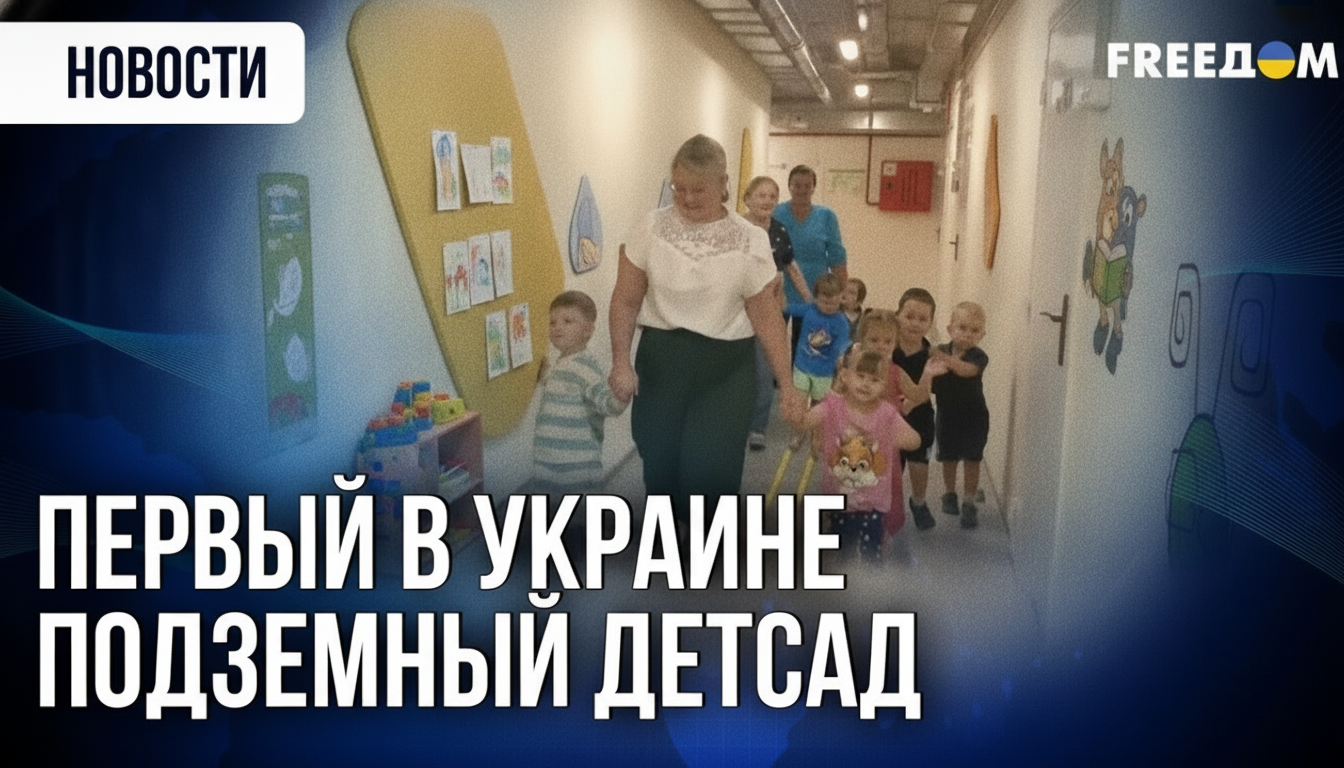
- Ukraine’s first underground kindergarten opens in Kharkiv, accommodating 260 children
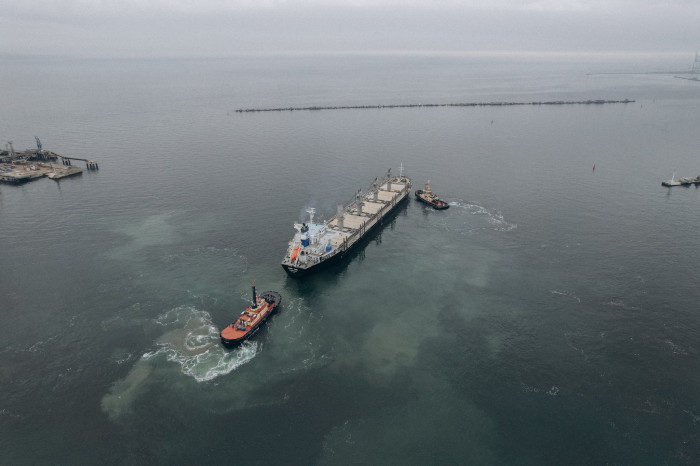
- Ukraine's ports crippled by Russian strikes: 28 vessels hit, 21 killed
- 24 Children Rescued from Occupied Territories by Save Ukraine, Including Injured 13-Year-Old Anhelina
- Woman Faces Up to 7.5 Years in Prison After Attacking Children for Speaking Ukrainian in Poland
- One of the Most Recognizable Voices on Ukrainian Radio, Journalist Oleksandr, Has Passed Away