74 Dead Dolphins Found in the Black Sea Over Two Months: A Mass Die-Off.

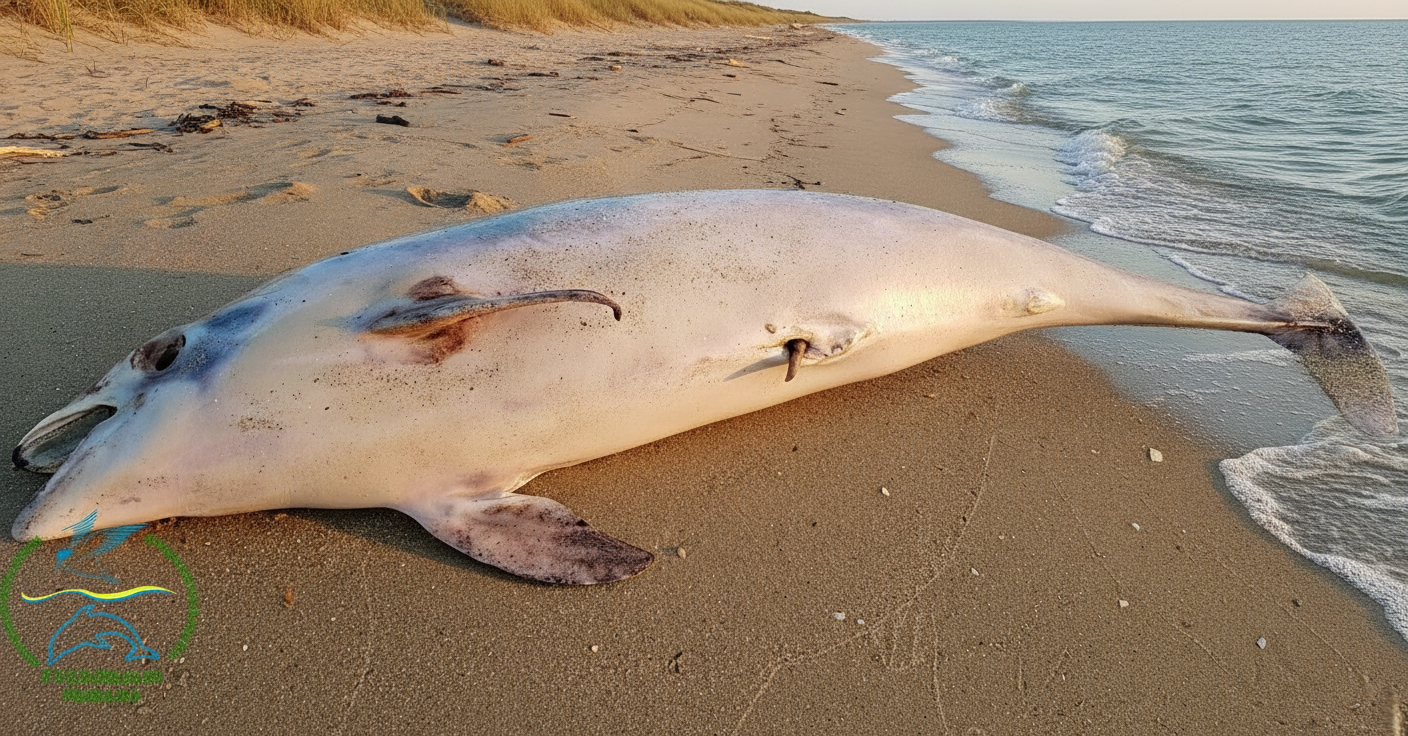
Cetacean Deaths in the Black Sea
According to Espreso.tv: Doctor of Biological Sciences Ivan Rusev has reported a significant die-off of cetaceans in the Black Sea, including the Azov dolphin, common dolphin, and bottlenose dolphin. The causes are linked to military operations and environmental degradation. According to data provided by Rusev, 74 dead cetaceans were discovered over a two-month period within the Tuzly Estuaries National Nature Park.
The Azov dolphin, one of the species most affected, is listed as Endangered (EN) on the International Union for Conservation of Nature (IUCN) Red List, indicating a high risk of extinction. Only about 5% of cetacean carcasses wash ashore, meaning the vast majority sink or decompose at sea. Ecologists estimate that the actual number of cetacean deaths in the first half of 2023 could reach 20,000, with the total since the start of the full-scale war exceeding 100,000.
Reasons Behind the Dolphin Deaths
The primary causes of dolphin mortality include:
- use of sonar
- chemical pollution
- explosions from naval mines
“The past two months have been very tragic for the three species of cetaceans,” said Ivan Rusev.
He added that “the dolphins die, and then currents and waves wash them onto our shores.” At the same time, Rusev refuted certain claims, stating that “this is false. Such information is absolutely not based on scientific data.”
This crisis highlights the urgent need to monitor the ecological health of the Black Sea and to implement protective measures for cetaceans, which are threatened by human activities and armed conflict. The ongoing war in Ukraine has intensified environmental challenges, and their impact on marine life demands immediate action from both national authorities and international organizations to preserve biodiversity. Protecting cetaceans is not only ecologically critical but also essential for maintaining the overall health of marine ecosystems.
Read also
- Historic First: Monks from Mount Athos to Attend Kyiv Pechersk Lavra’s Anniversary
- Polish Greek Catholic Bishops Address Ukrainians on Volhynia Tragedy Anniversary
- How the Kremlin Weaponizes History: Poland's Shifting Memory of Katyn and Volhynia
- Zelensky’s Addresses Set Records: Mobilization and Demobilization Deepen Societal Rifts
- Over 150 Attendees Gather at Aspen Institute in Chernivtsi: How War Reshapes Social Cohesion
- Prosthetic Mannequins Debut in Ukraine: A Bold Statement on Inclusion