






Crimean Medical Staff Face Pay Cuts as Occupying Authorities Slash Hospital Funding.
Medical Workers in Occupied Crimea Confront Pay Cuts and Staffing Crisis
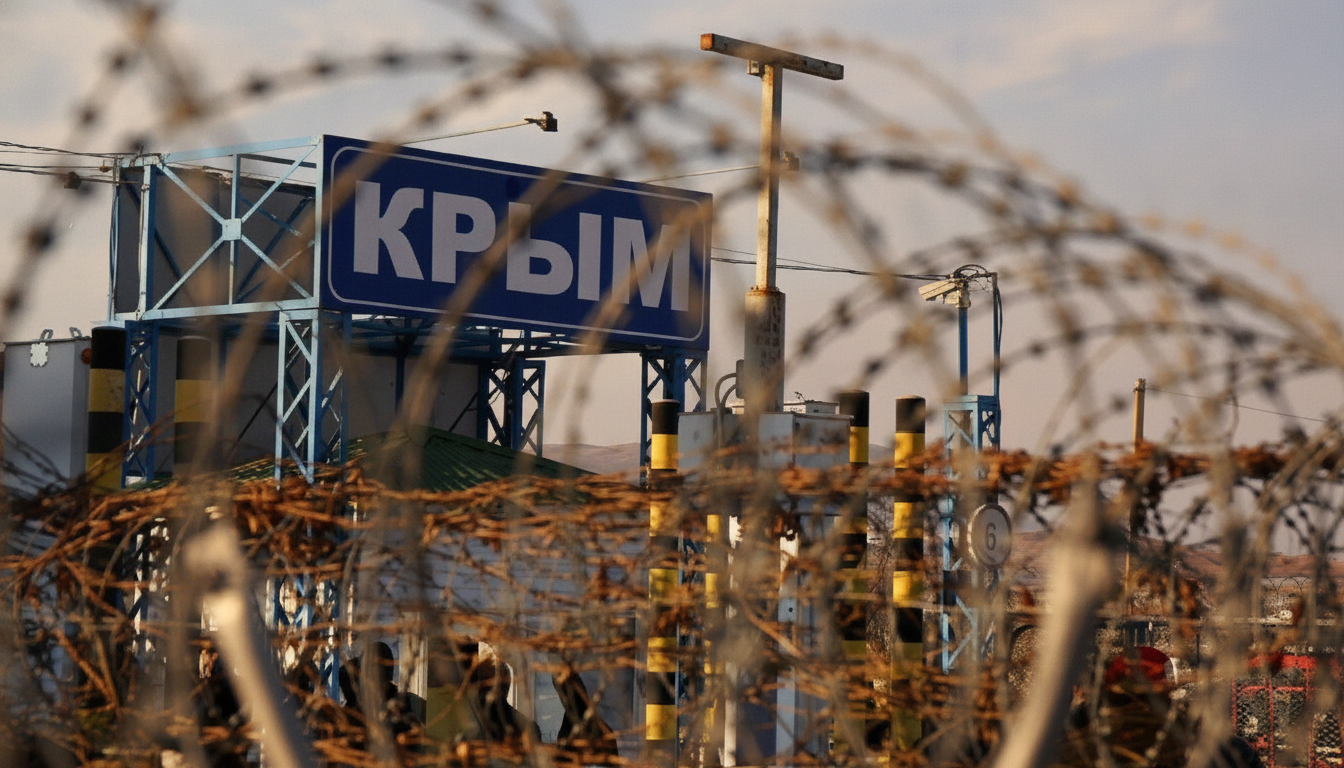
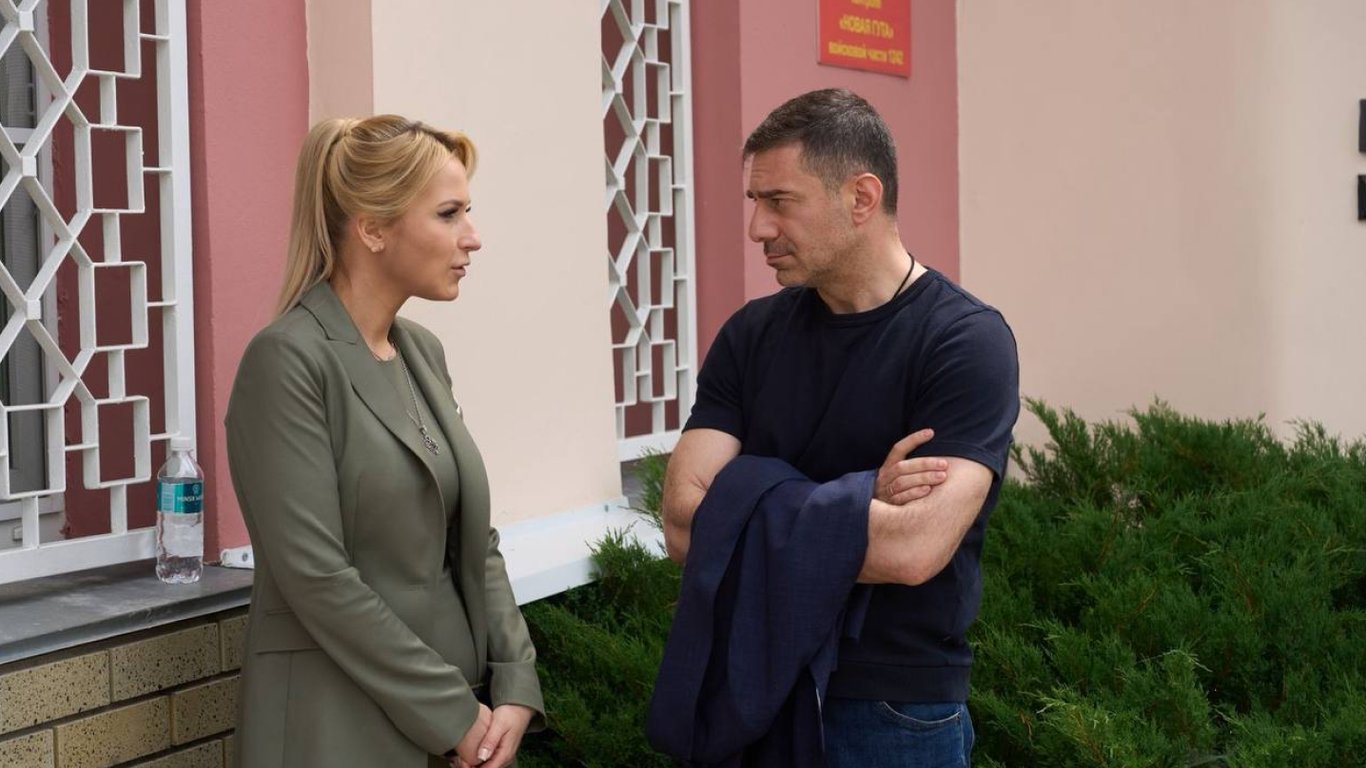
According to TSN.ua: Healthcare professionals in occupied Crimea are dealing with reduced bonus payments, increased workloads, and severe hospital staff shortages. The underground resistance movement 'ATESH' reports that processes have begun in the region's medical institutions, leading to a decrease in funding for doctors and nurses. A new initiative involves establishing 'commissions to review the validity of bonus payments,' which assess whether physicians are still eligible for additional compensation.
Simultaneously, hospitals have been prohibited from allowing staff to hold multiple positions, a policy that has critically increased the burden on doctors and nurses. These changes threaten to negatively impact the quality of medical care for the local population. There are also concerns about potential abuses of power by hospital management, which could further deteriorate the situation.
Ukrainian President Volodymyr Zelenskyy has emphasized that 'Ukraine will not support any decisions that contradict the Constitution.'
The overall situation in Crimea's medical sector remains tense, and further changes are likely to cause even greater concern among healthcare workers. This comes amid a broader context of economic strain and resource reallocation by the occupying administration since the 2014 annexation.
The Broader Impact of Occupation on Healthcare
The crisis in Crimea's healthcare system reflects wider problems linked to the occupation and its effect on civilian life. Reduced funding and the increased pressure on medical staff are likely to lead to a decline in the quality of medical services, which will, in turn, negatively affect public health across the peninsula.
Developments in Crimea may spur further international discussion concerning human rights and medical standards under conditions of military occupation. The international community continues to widely condemn the annexation and monitors the humanitarian situation there.
Read also
- Putin Faces a Looming Crisis: Is Russia Ready for Talks, Asks Ukraine’s Foreign Minister
- Ukraine Warns of Belarus Border Provocations: Key Threat Identified by State Border Guard
- Trump Says Zelensky and Putin Must Resolve the War on Their Own
- Ukraine Set to Receive SAMP/T Air Defense System for Ballistic Threats: Delivery Timeline Revealed
- Drone Strikes Shatter Putin's Security Narrative: What Happened at the St. Petersburg Forum
- A New Signal to Washington and Europe: Zelenskyy Pens an Open Letter to Putin