





Meta Patents AI for a Digital Clone: The Future of Your Online Profile After Death.

Digital clone of profile after death

Meta Secures Patent for AI Clone Technology

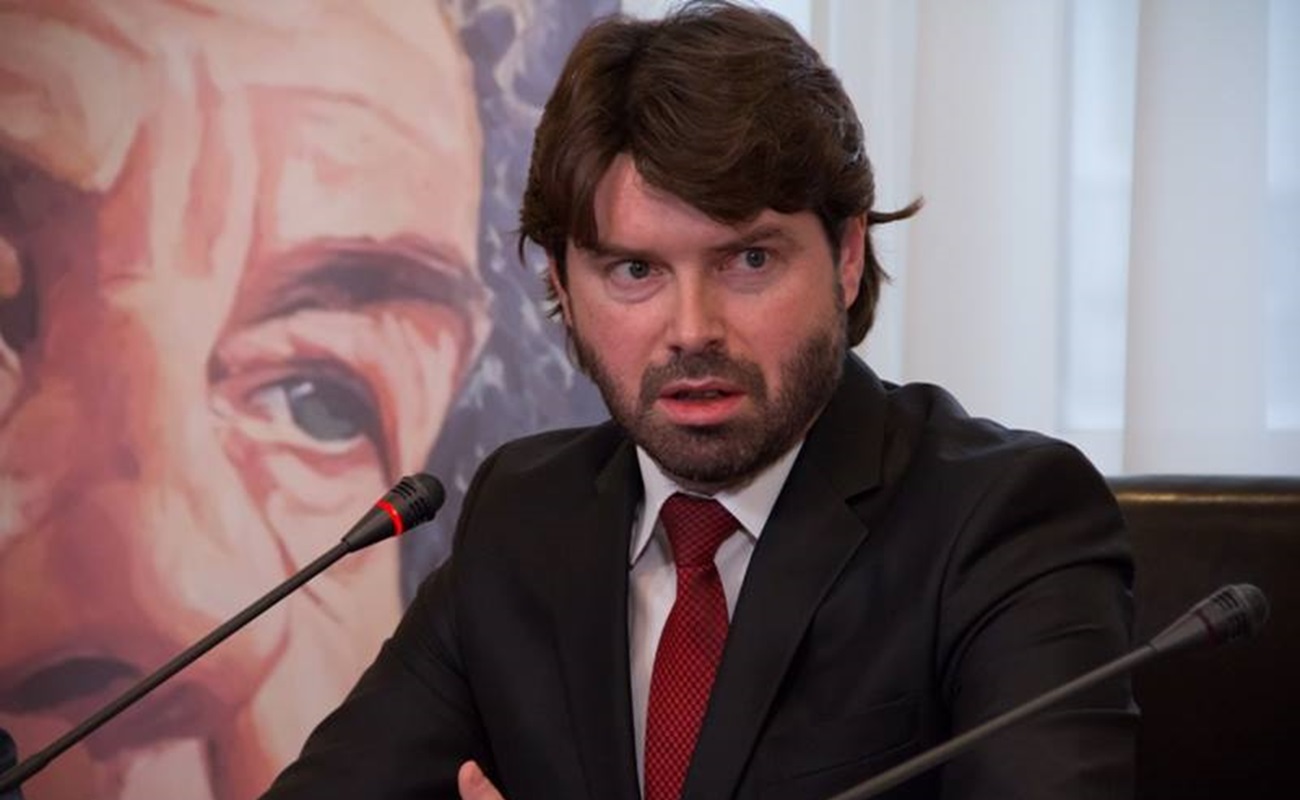
According to TSN.ua: Meta has been granted a patent for an artificial intelligence system capable of creating a digital 'clone' of a person to maintain their social media activity after they die. The patent application was filed in 2023, with Meta's Chief Technology Officer, Andrew Bosworth, listed as the lead inventor of this novel concept. This move places Meta at the forefront of a growing field known as 'digital legacy.'

The patented AI would generate a digital clone that could perform actions like posting comments, giving 'likes,' and responding to private messages. This technology aims to ensure a user's account remains active even after their passing, opening new possibilities for interaction and fundamentally altering how we think about online presence. It represents a significant step toward a future where our digital selves may outlive us.

Ethical Questions and Broader Industry Interest

This is not the first foray into this sensitive area; in 2021, Microsoft patented a chatbot designed to imitate deceased individuals. This growing corporate interest highlights a trend toward preserving a person's digital footprint beyond their physical life, raising profound ethical and social questions that demand careful consideration. The prospect of AI-driven digital clones forces us to confront new definitions of identity and memory.

The potential capabilities outlined for such a digital clone include:

  • Posting comments and 'likes';
  • Responding to private messages;
  • Maintaining account activity during a user's vacation or break;
  • Potentially simulating audio and video calls.

These features present serious moral dilemmas that society will need to address as these tools become viable. While Meta's patent unlocks new potential for social networks, it also compels us to examine crucial questions about ethics and social norms in the context of a digital afterlife. The development of such technology could reshape our understanding of death and inheritance in the digital age, creating new avenues for connection and remembrance. However, finding a balance between technological advancement and respect for the deceased remains a critical challenge for developers and users alike.


Read also

Advertising