Polish Foreign Minister Urges Elon Musk to Halt Russian Military's Use of Starlink, Citing Brand Risk.

An Appeal to Elon Musk
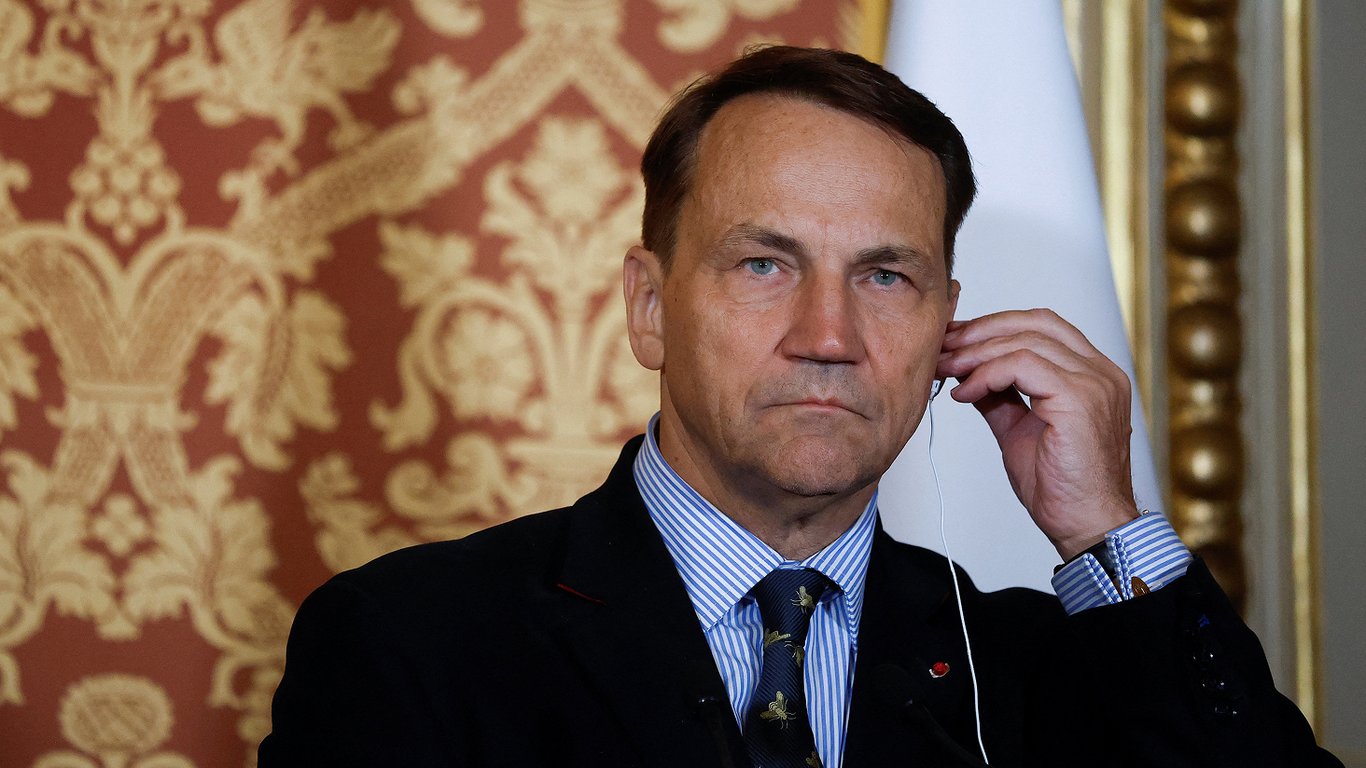
According to Novyny.live: Poland's Foreign Minister, Radosław Sikorski, has publicly called on Elon Musk to block the Russian military from using Starlink technology to attack Ukrainian cities. Sikorski argued that allowing such use poses a significant risk to the reputation of Musk's brand. The minister made his appeal directly to the entrepreneur via the social media platform X.
In his post, Sikorski emphasized the urgent need to stop Russia from utilizing Starlink for military operations.
“Hey, big guy, Elon Musk, why not stop Russians from using Starlink to strike Ukrainian cities? Making money off war crimes could hurt your brand,” wrote Sikorski.This direct appeal highlights the growing pressure on private tech companies to take sides in geopolitical conflicts.
Russian Military's Adaptation of Starlink
According to information provided by the Institute for the Study of War (ISW), Russian forces are employing Starlink terminals on BM-35 drones, which have a range of approximately 500 km. The ISW has also been monitoring the equipping of Shahed drones with Starlink since September 2024. Furthermore, the installation of Starlink on Molniya drones became known in December 2025. Vadym Skibitskyi, a representative of Ukraine's Main Intelligence Directorate of the Ministry of Defence, has reported on Russia's plans to target the Starlink system itself.
Sikorski criticized Musk for enabling Russian access to Starlink, warning that it could lead to severe consequences for his business interests.
The statement from Radosław Sikorski underscores the critical ethical dimensions surrounding the use of dual-use technologies in active warfare. The deployment of Starlink by Russian troops to coordinate strikes against Ukrainian urban centers not only questions Elon Musk's corporate reputation but also the broader responsibility of technology firms in modern conflicts. As the war intensifies, there is increasing scrutiny on such companies to recognize the impact of their decisions and implement measures to prevent their products from being weaponized.
Read also
- Three Russian Aircraft Intercepted by Poland as Warsaw Braces for Fresh Provocations from Moscow
- NATO Warned of Potential Russian Provocations in Poland and the Baltics: Key Details
- Kremlin Plot Fears: Lithuania and Poland Warn of Russian Provocations
- Poland's Foreign Minister Warns Putin: Warsaw Knows Russia's Plans and Is Ready to Defend Itself
- Elon Musk embroiled in Wisconsin voter bribery controversy
- Poland Looks to Ukraine’s Experience with Military Disobedience as Defense Minister Weighs Legal Reforms