International Day Against Conflict-Related Sexual Violence: Why 99% of Survivors Blame Themselves.


International Day Against Conflict-Related Sexual Violence
According to Novyny.live: June 19 marks the International Day Against Conflict-Related Sexual Violence. This issue remains critical, especially in Ukraine, where sexual violence tied to the war is still a taboo subject despite countless crimes committed during the conflict. The term conflict-related sexual violence (CRSV) is an international designation for sexual offenses that occur during active phases of armed hostilities.
The Challenge of Sexual Violence
Victoria Gupalovska, a trauma therapist with over 20 years of experience, highlights that in 99% of cases, survivors of sexual violence believe they are to blame for what happened to them. This sense of guilt is nearly universal among victims, even if they do not admit it. She explains that sexual violence is used as a tool of psychological pressure designed to break a person’s spirit. The consequences of sexual violence are extremely severe and can include:
- post-traumatic stress disorder (PTSD)
- psychosomatic disorders
- eating disorders
- damage to intimate and family relationships
- suicidal thoughts
The GIDNA project provides free psychological support to women who have experienced sexual violence during the war and has already helped over 140 women. Gupalovska emphasizes that it is crucial for survivors to have the opportunity to talk about their trauma:
“When you can talk about it—you are almost healed.” — Victoria Gupalovska
This underscores the need for continued work in this area and greater public awareness of the problems surrounding conflict-related sexual violence.
The International Day Against Conflict-Related Sexual Violence focuses attention on the importance of supporting survivors and eliminating the stigma associated with these crimes. In Ukraine, amid the ongoing conflict, it is necessary to recognize the scale of the problem and ensure that victims receive assistance, which can significantly impact their recovery and mental health. Efforts by organizations like GIDNA are essential in creating a safe space where women can share their experiences and access professional support.
Read also
- Zelensky’s Addresses Set Records: Mobilization and Demobilization Deepen Societal Rifts
- Over 150 Attendees Gather at Aspen Institute in Chernivtsi: How War Reshapes Social Cohesion
- Prosthetic Mannequins Debut in Ukraine: A Bold Statement on Inclusion
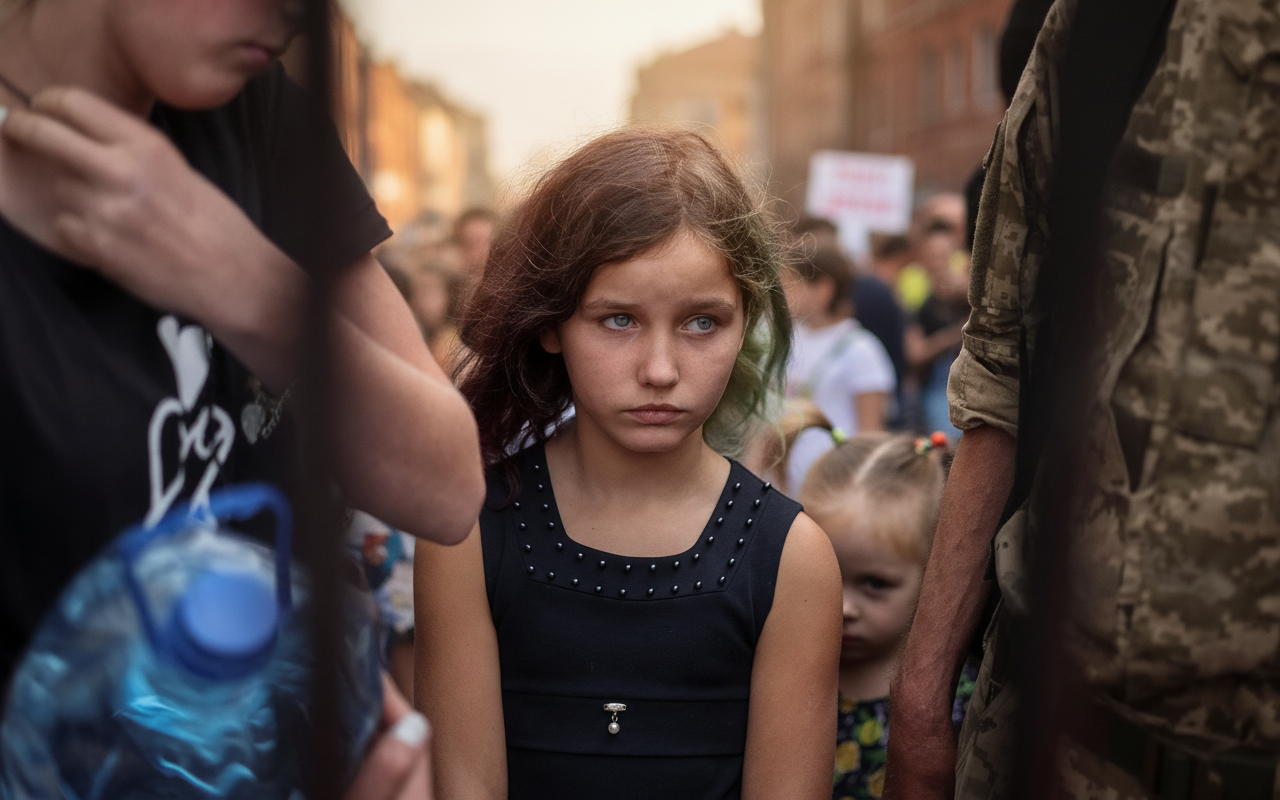
- OSCE Records 20,610 Deported Ukrainian Children in Report on Russian Crimes
- Two million for the shelter: LEROY MERLIN equips a safe hiding place in Fastiv Hospital
- Russian Forces Refuse to Evacuate Children from Kreminna, Using Them as Human Shields