How 2% of Americans Shape U.S. Society: The Cultural Impact of Mormonism.


Mormonism's Influence on American Culture
According to Vox - Загальний: Though only 2% of Americans identify as Mormon, this religious tradition exerts an outsized influence on U.S. culture, touching everything from social norms to politics. The faith's history in America is marked by persecution, forcing its followers to flee states like Ohio, Missouri, and Illinois. At one point, Missouri's governor even issued an executive order calling for the extermination of Mormons, underscoring the severity of the hostility they faced.
Throughout the 19th century, Mormons endured violence and discrimination. Yet the church preserved its identity and survived. Today, Mormonism is increasingly assimilating into mainstream American life. As McKay Coppins observed,
“The church has always been tied to the American project”, highlighting its deep entanglement with the nation's cultural fabric.
Shifts on Race and Gender
Evolving attitudes on race represent a key chapter in Mormonism's story. In 1978, the church reversed its ban on Black men holding the priesthood—a landmark moment that signaled a growing commitment to equality and justice within the faith.
Gender roles within the church have also shifted. Acknowledging women's contributions in both society and the church reflects broader social changes in the United States. Church leader Gordon B. Hinckley once stated,
“We must be a peculiar people”, emphasizing the distinctiveness of Mormon identity even as it engages with the larger American community.
Despite a history of persecution, Mormonism continues to shape American culture by integrating into modern social currents and adapting to new challenges. This influence is woven into the ever-evolving tapestry of American society.
The faith's impact illustrates the complex interplay between religious convictions and social transformation. By adapting to issues like racial equality and gender identity, the Mormon church demonstrates how religious institutions can evolve in response to societal demands while holding onto core values and identity.
Read also
- Three Ukrainians Without Documents Rescued from Occupied Territories Under Bring Kids Back UA Initiative
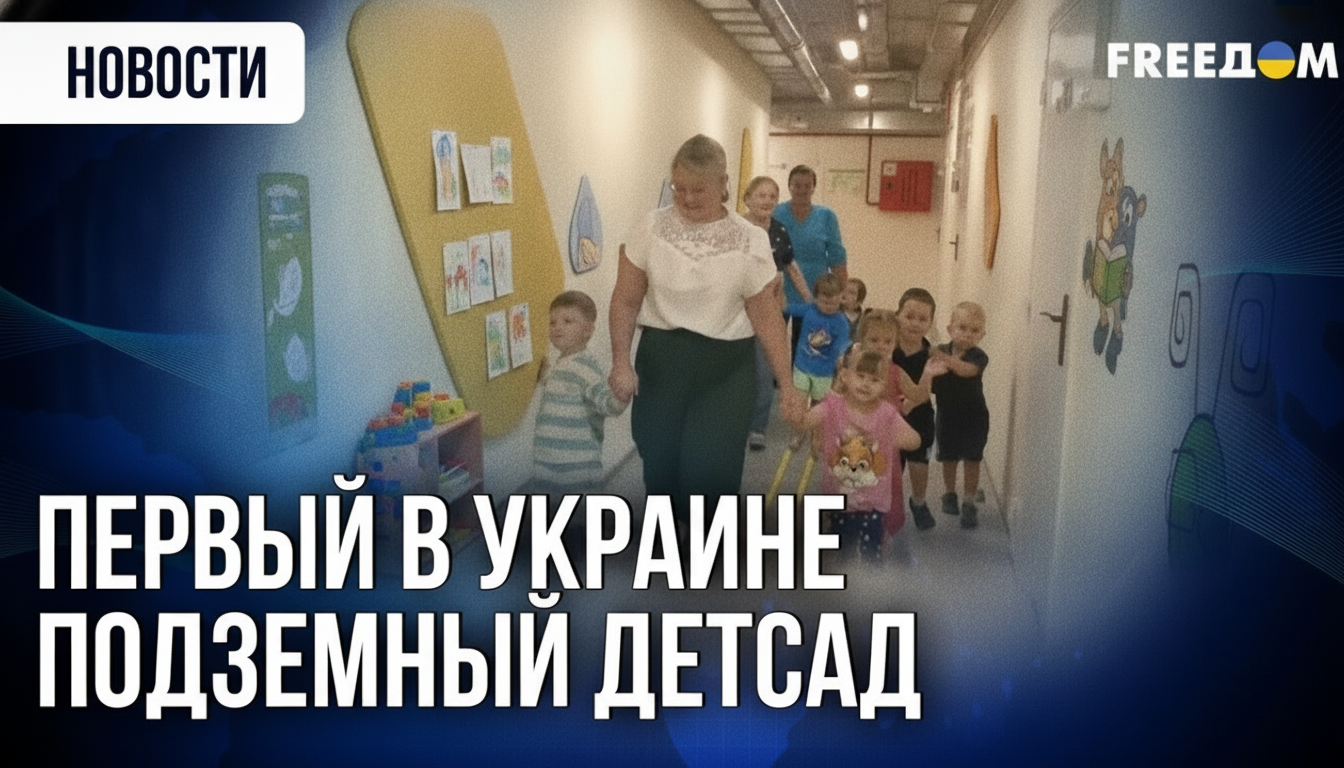
- Ukraine’s first underground kindergarten opens in Kharkiv, accommodating 260 children
- Ukraine's ports crippled by Russian strikes: 28 vessels hit, 21 killed
- 24 Children Rescued from Occupied Territories by Save Ukraine, Including Injured 13-Year-Old Anhelina
- Woman Faces Up to 7.5 Years in Prison After Attacking Children for Speaking Ukrainian in Poland
- One of the Most Recognizable Voices on Ukrainian Radio, Journalist Oleksandr, Has Passed Away