Why Diesel Cars Face a Winter Crisis When AdBlue Freezes at -11°C.

The -11°C Freeze Point: A Critical Winter Hazard for Modern Diesel Vehicles
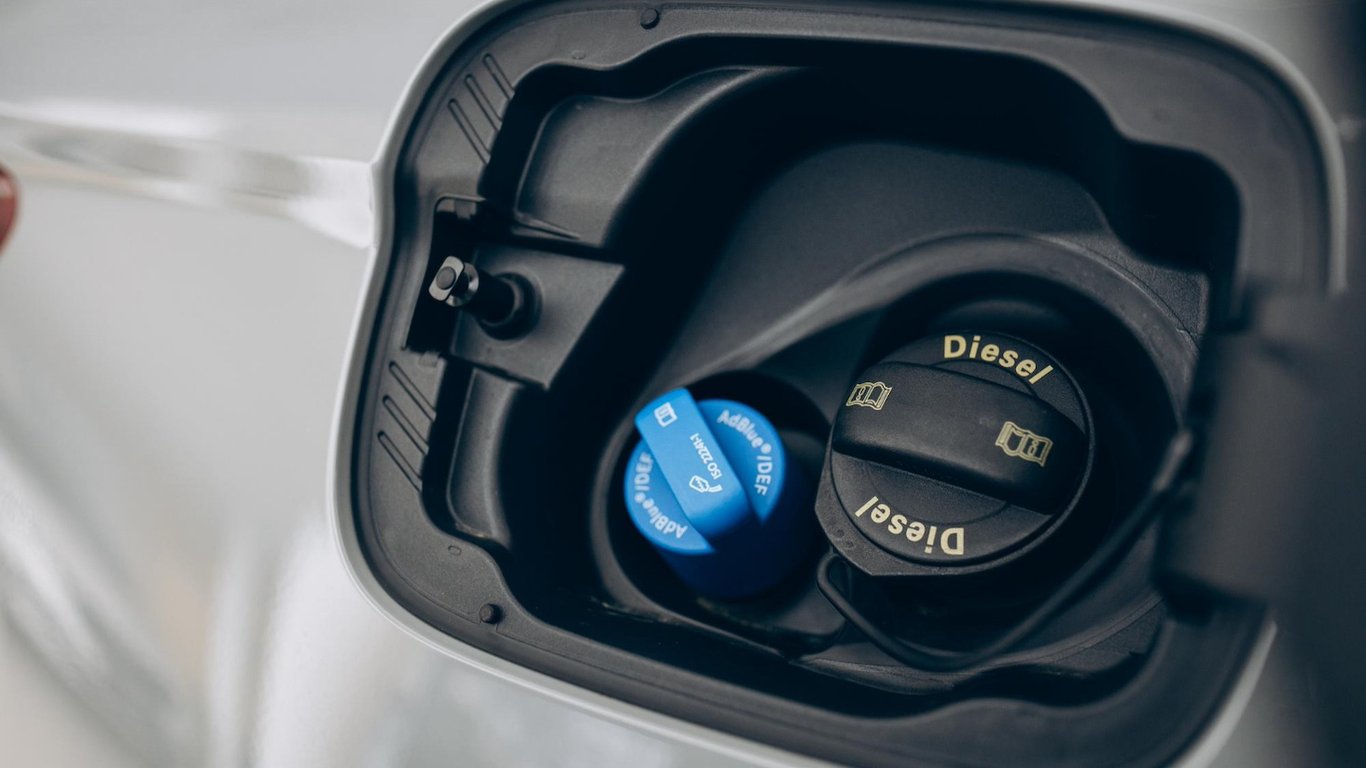
According to Novyny.live: Severe winter cold poses a significant threat to the Selective Catalytic Reduction (SCR) systems in diesel vehicles by causing the AdBlue reagent to freeze. This solution, composed of 67.5% demineralized water, solidifies at -11°C (-12.2°F), potentially leading to serious operational failures in affected vehicles. This issue is particularly relevant for drivers in regions experiencing harsh winter conditions common in Northern Europe and North America.
SCR Technology and the Risks of Freezing
SCR technology relies on AdBlue to neutralize harmful nitrogen oxides emitted by diesel engines. When ambient temperatures drop below -11°C, the frozen AdBlue can disrupt the entire SCR system. This malfunction may result in reduced engine performance, trigger warning lights, or even cause the vehicle to enter a protective 'limp mode' to prevent damage.
Replacing a frozen SCR tank with its electronic control module can cost several thousand dollars, a substantial financial burden for owners. To prevent this, it is crucial to store AdBlue between +5°C and +25°C to maintain its liquid state. For vehicles parked outdoors in cold climates, this storage advice is especially critical.
To mitigate risks during deep freezes, owners can use anti-gel additives designed for AdBlue. However, it's important to note that even these additives may be ineffective if temperatures plunge too low. As current winter temperatures drop, the problem of frozen AdBlue is becoming increasingly urgent for diesel vehicle operators.
Given these risks, ensuring proper storage conditions for the reagent and understanding the potential for system failure are essential. While supplemental measures like anti-gel can reduce the likelihood of issues, they are not a guaranteed solution. Diesel owners must be prepared for possible technical faults and the high costs associated with repairing SCR systems damaged by extreme cold.
Read also
- Snapdragon 8 Elite Gen 5: Qualcomm’s New Chip Targets Sub-$600 Smartphones
- Samsung Unveils Three New Odyssey Gaming Monitors: Specs and Features Revealed
- Plastic Waste Converted into Jet Fuel: New Breakthrough by Chinese Researchers
- First-Ever U.S. Manufacturing of Ukrainian MAGURA Drones: Key Details Emerge
- Google to Build America's Largest Solar Farm: 2.5 GW Facility to Power Data Centers
- Turn Your Old Phone Into a Smart Display: Inside the New ScreenWall Web Platform