Mumbai's New Coastal Highway: A 10-Minute Route That Deepens a City's Divide.

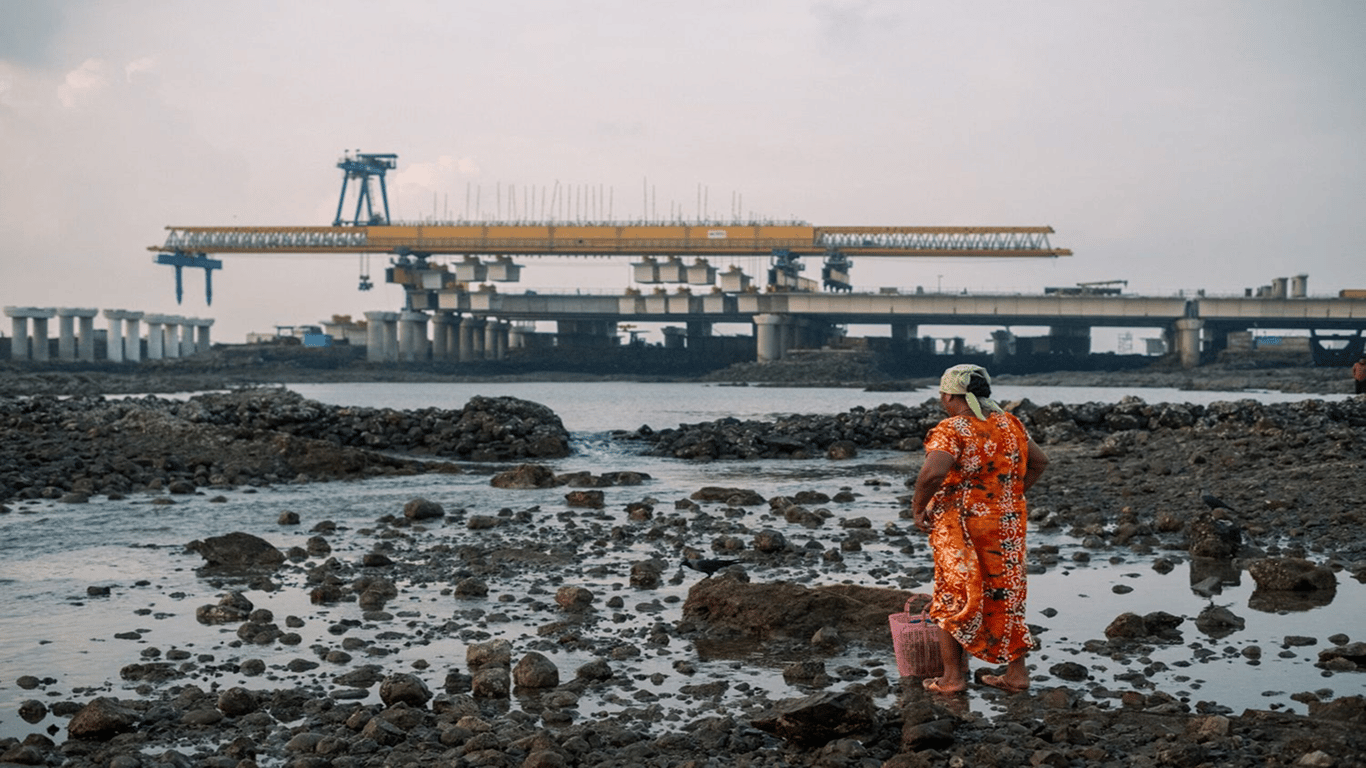
Mumbai's Controversial Coastal Freeway
According to Novyny.live: A new coastal freeway has opened in Mumbai, slashing travel time between the city's north and south from 40-45 minutes to just 10. However, the project has sparked significant public backlash, with many residents protesting its construction. Critics argue the highway has become a stark symbol of the city's economic and social segregation. Mumbai is one of the world's most densely populated cities, where infrastructure projects often face intense scrutiny over their wider impact.
The highway, which runs partly on sea bridges and includes an underwater tunnel, provides rapid access across the city. Its construction, however, led to the destruction of mangrove forests and tens of thousands of trees, raising major environmental concerns. In a city where approximately six million people live in slums and about two-thirds of the population relies on public transport, the new road is seen as primarily serving the affluent. While it offers a dramatic time saving for wealthier car owners, it has simultaneously restricted coastal access for poorer communities, highlighting a growing urban inequality.
Environmental Damage and Social Inequality
The project's social costs are further underscored by the perilous state of public transport for the majority; up to ten passengers die each week on the city's overcrowded railways. The eight-lane road, which has effectively cut off parts of the city from the sea, has ignited fierce public debate over its environmental legacy and role in exacerbating social divisions. Consequently, the freeway has not only transformed Mumbai's transport network but also forced a critical conversation about equity and accessibility for all its citizens.
Mumbai's predicament reflects a broader challenge for global megacities, where rapid infrastructure development frequently comes at the expense of environmental and social considerations.
The sustained protests from residents point to deep societal fractures that demand attention from both government authorities and the public. For future urban projects, both in Mumbai and elsewhere, it is crucial that planners prioritize not just economic gains but also the profound impact on local ecosystems and community life.
Read also
- Three Ukrainians Without Documents Rescued from Occupied Territories Under Bring Kids Back UA Initiative
- Ukraine’s first underground kindergarten opens in Kharkiv, accommodating 260 children
- Ukraine's ports crippled by Russian strikes: 28 vessels hit, 21 killed
- 24 Children Rescued from Occupied Territories by Save Ukraine, Including Injured 13-Year-Old Anhelina
- Woman Faces Up to 7.5 Years in Prison After Attacking Children for Speaking Ukrainian in Poland
- One of the Most Recognizable Voices on Ukrainian Radio, Journalist Oleksandr, Has Passed Away