








Oil Prices Surge Toward $200 as Ukraine Pitches Drone Deal to US Amid Strait of Hormuz Blockade.

Oil $200, Ukraine drones

Iran Conflict Escalates

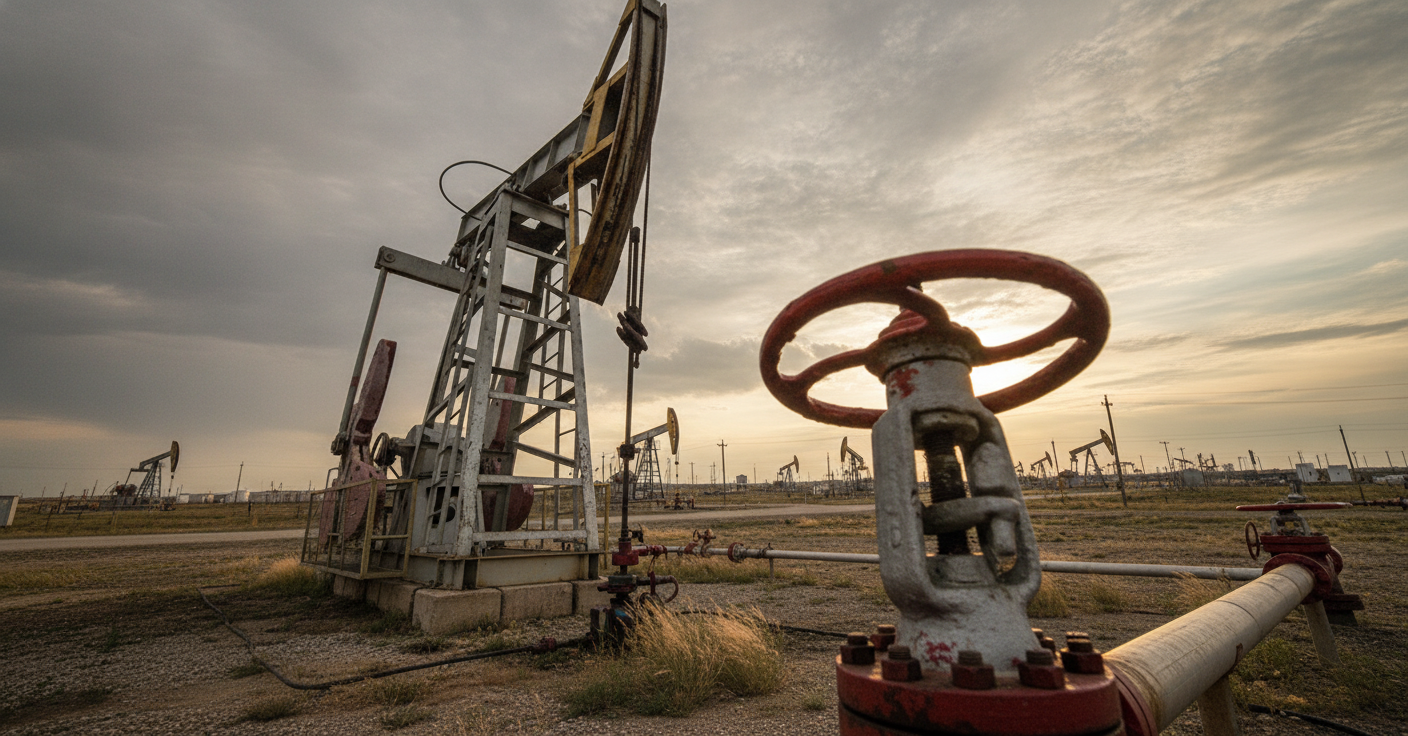
According to TSN.ua: As the second week of the Persian Gulf war unfolds, Iran has imposed a blockade on the Strait of Hormuz—a critical chokepoint for global oil shipments. This development has rattled international markets, with crude prices poised to hit the $200 mark. Such a spike would have severe consequences for oil-importing economies worldwide.

Trump’s Oil Strategy and the Russia Factor

U.S. President Donald Trump has moved to calm the oil market by authorizing the release of 400 million barrels from strategic reserves. Energy Secretary Chris Wright clarified that Washington has temporarily permitted the shipment of Russian crude, a step aimed at mitigating the blockade’s impact. Trump remarked:

'The market is holding up well. I thought we’d take a bigger hit, but it’s been less than I expected.' Donald Trump

These comments reflect his effort to reassure markets amid escalating tensions. At the same time, Trump’s announcement of sanctions relief for Russia has sparked debate in the U.S., with critics arguing that such moves could undermine international efforts to maintain regional stability.

Amid these global shifts, Ukraine has stepped up cooperation with the United States. President Volodymyr Zelensky confirmed that his country had proposed a drone agreement to Washington: 'We offered the United States a deal on drones last year. This is the right path forward.' It has been reported that Ukraine provided the U.S. with a number of drones free of Chinese components, potentially boosting the effectiveness of American military operations.

Domestic Criticism of Trump

Facing complex international challenges and the blockade, the political climate in the U.S. remains tense. Trump’s critics have targeted his decisions on Russian oil and sanctions, warning they could worsen conflicts. Iranian leader Mojtaba Khamenei’s vow to avenge the blood of martyrs only underscores the conflict’s complexity, as the U.S. struggles to balance support for allies with stability in oil markets.

Ukraine’s National Security and Defense Council Secretary, Rustem Umerov, is currently in the Middle East, signaling the country’s active efforts to build international alliances in response to emerging threats.

The situation in the Persian Gulf and the international response to Iran’s actions could reshape global energy markets. The blockade of the Strait of Hormuz—a vital artery for oil transport—heightens risks for importing nations and may drive prices even higher. Meanwhile, U.S. measures, including the release of strategic reserves and the allowance of Russian oil shipments, could help stabilize the market, though they draw fire from Trump’s political opponents. Ukraine’s defense collaboration with the U.S. may also influence the dynamics of international relations amid this crisis.


Read also

Advertising