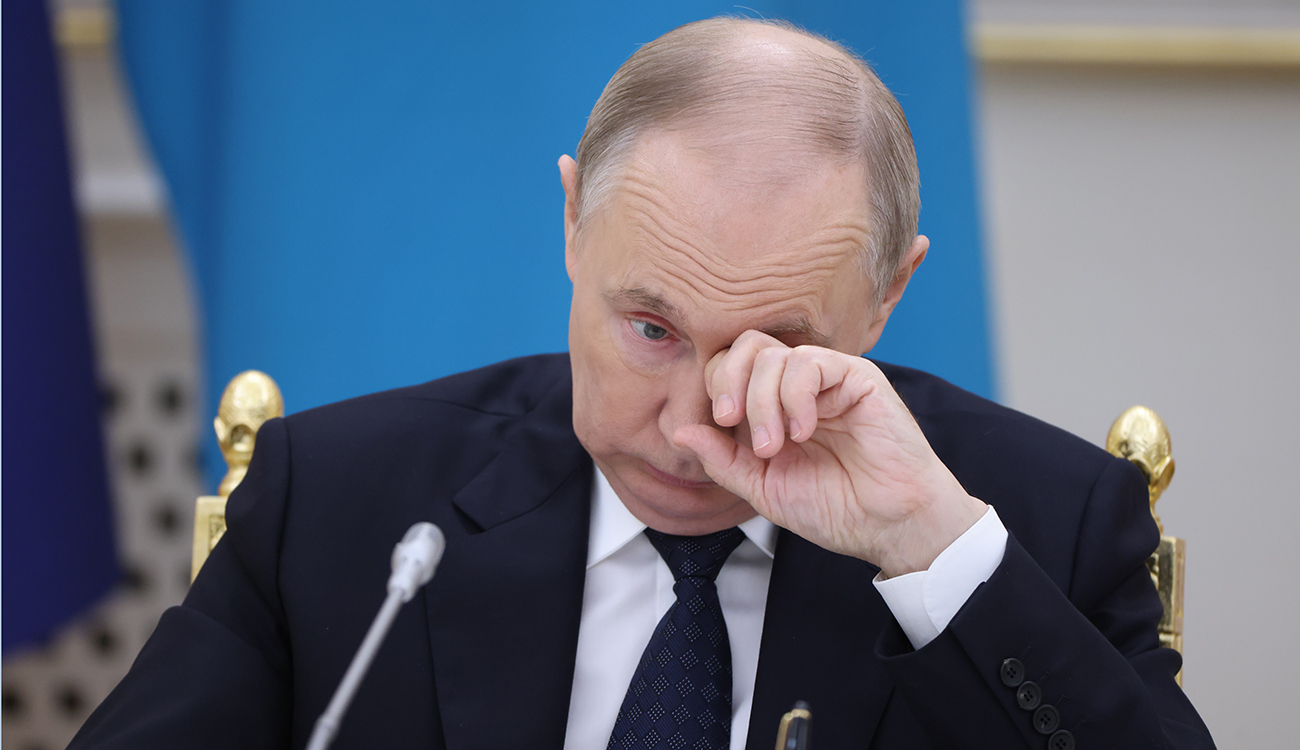
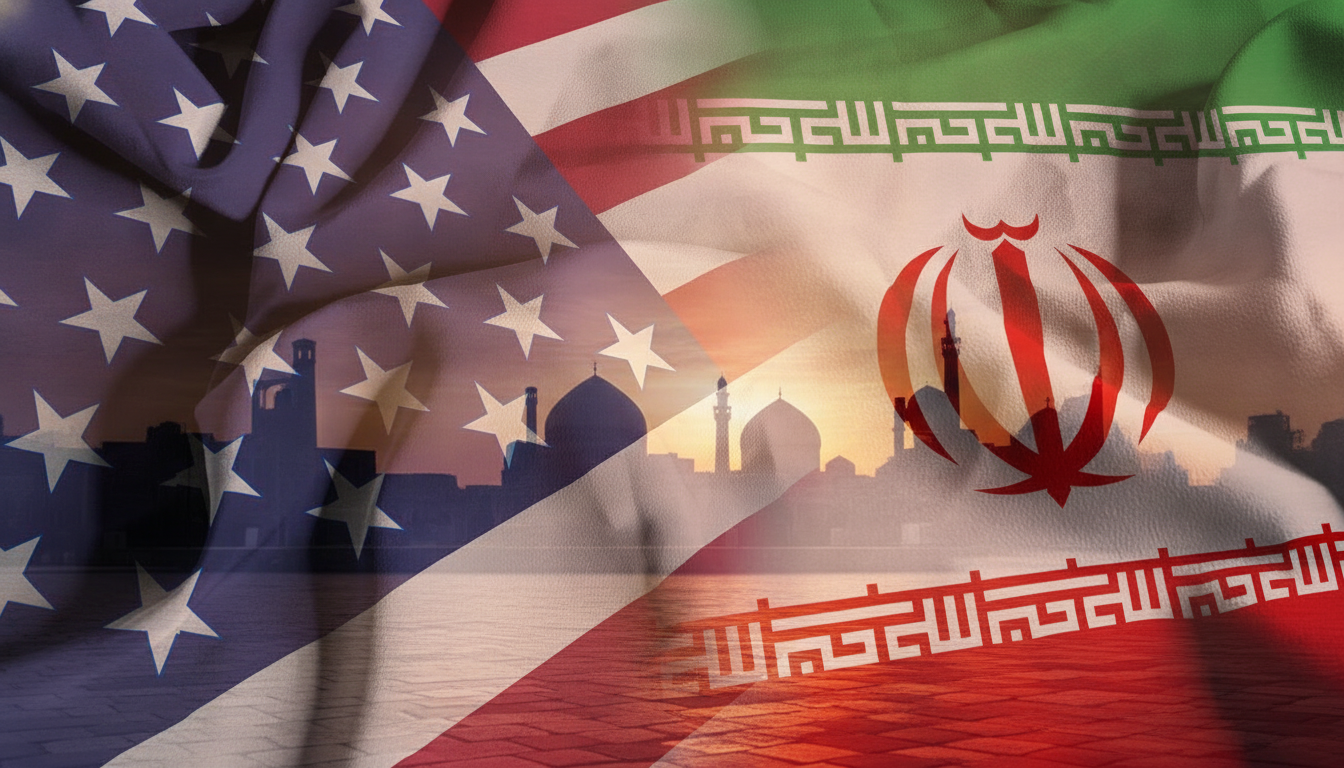
China rejected US demands on oil: why Beijing will not give up Russian raw materials.

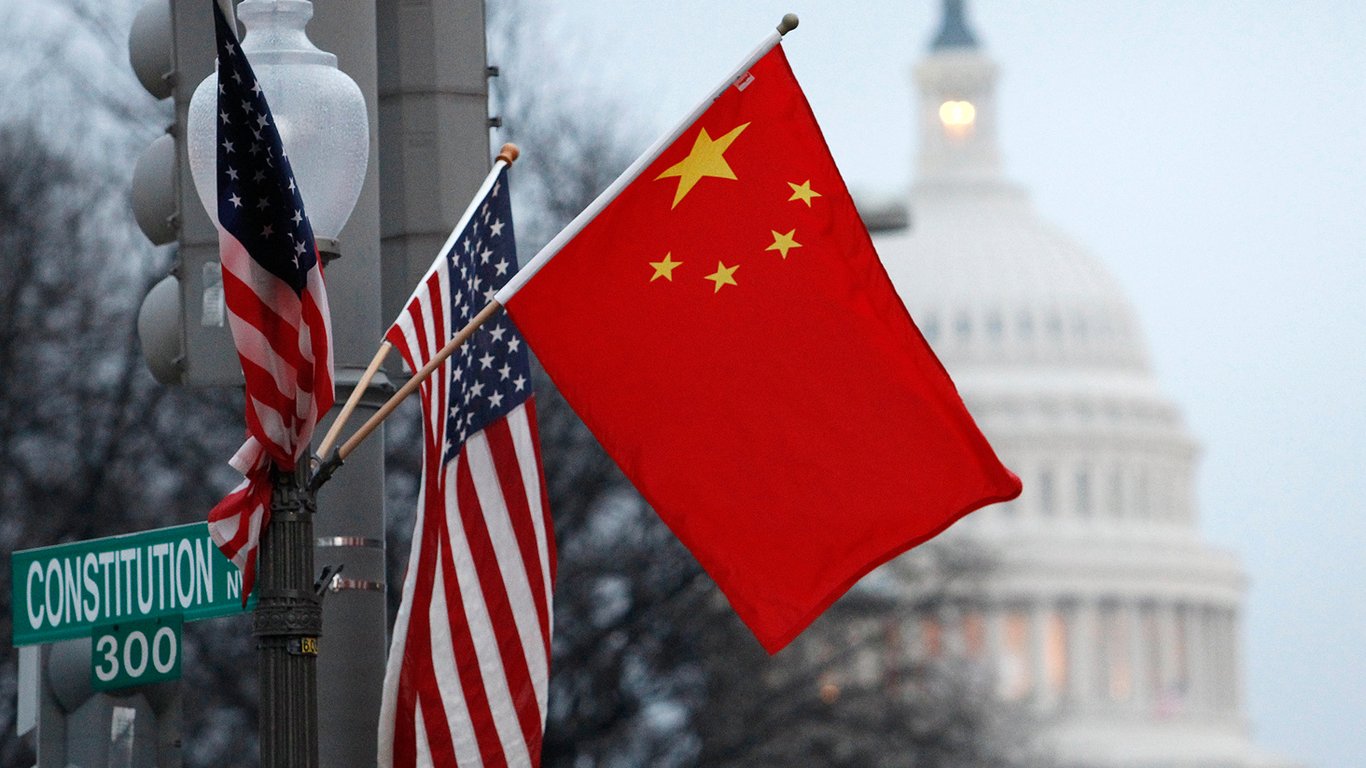
China defends its right to independently determine its energy strategy without pressure from the US to cease purchases of Russian and Iranian oil. The Chinese Foreign Ministry emphasized that the country will not succumb to external influences in matters of national interests.
This position was a response to Washington's calls to curb trade with Russia and Iran, which the US considers key sources of financing for military conflicts, writes the Associated Press.
As one of the largest oil importers, China does not plan to revise its trade ties that ensure the stability of its economy.
'China will always ensure its energy supply in a way that aligns with our national interests. Coercion and pressure will not yield results. China will firmly protect its sovereignty, security, and development interests', the Chinese Foreign Ministry stated.
US and China negotiations
Negotiations between the US and China on this issue have been tense. US Treasury Secretary Scott Bessent highlighted that Beijing perceives the issue of oil purchases as part of its sovereignty.
'We do not want to interfere with their sovereignty, so they would like to pay 100% tariffs', Bessent said, commenting on the negotiations.
He also noted that the Chinese side is a 'tough' participant in the dialogue, but this has not hindered progress. According to Bessent, there are all prerequisites for reaching a compromise.
'I believe we have all the prerequisites to conclude an agreement', he added.
Geopolitics of the oil market
The US is actively pressuring countries that continue to buy oil from Russia and Iran, arguing the necessity to reduce their revenues. Washington links these funds to financing Russia's war against Ukraine and Iran's support for armed groups in the Middle East.
Recently, US President Donald Trump announced the introduction of a 25% tariff on goods from India due to its trade in Russian oil and weapons. This decision impacted the Indian market: Indian state-owned oil refining companies halted purchases of Russian oil due to reduced discounts and threats of sanctions.
At the center of attention is the conflict between China and the US regarding the purchase of oil by other countries. China insists on its independence in determining its interests, even amidst geopolitical pressures and negotiations with the United States. The dividing situation in the energy and trade sphere may have a significant impact on geopolitics and the economy in the future.
Read also
- U.S. Strikes Iran and Takes Control of the Strait of Hormuz: What We Know So Far
- South Carolina Appoints Its First Female Senator to Replace Lindsey Graham
- Oil Tanker Attack in the Strait of Hormuz: One Dead, Several Injured Including Ukrainian Nationals
- Trump Declares U.S. Control Over Strait of Hormuz and Demands Payment
- Paris to Host Coalition of the Willing: Zelenskyy to Focus on Missile Defense for Ukraine
- Ukraine Requires 2,000 Interceptor Missiles Annually to Counter Iskander Threats