NASA: Earth has become darker due to melting glaciers.

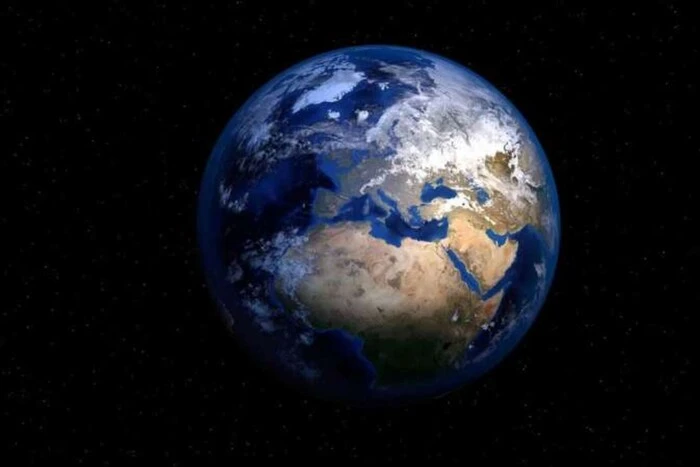
According to inkorr.com: NASA researchers, led by Norman Loeb, have found that from 2001 to 2024, Earth has become darker and reflects less sunlight, especially in the Northern Hemisphere. This phenomenon is associated with the melting of ice and snow cover, as well as a decrease in aerosol pollution. The impact of these changes varies between the Northern and Southern Hemispheres, with natural processes in the Southern Hemisphere partially compensating for these changes.
Research Findings
The study published in the journal Proceedings of the National Academy of Sciences showed that a darker Earth is primarily characteristic of the Northern Hemisphere. Norman Loeb emphasized the importance of this discovery for understanding the impact of surface and atmospheric processes on our planet's energy balance.
“We discovered an unknown imbalance between the hemispheres in solar energy reflection,” said Loeb. “This important finding is crucial for understanding how surface and atmospheric processes affect the planet's energy balance.”
Changes in the Hemispheres
The study revealed that the difference in solar energy received between the Northern and Southern Hemispheres is explained by changes in the atmosphere, water vapor, clouds, and the albedo of Earth's surfaces. These factors contribute to the intensified darkening of the Northern Hemisphere. The interaction of radiation with aerosols also affects solar light reflection: we observe a decrease in aerosol pollution in the Northern Hemisphere and its increase in the Southern Hemisphere. Understanding these processes is essential for improving climate models and predicting global warming.
Thus, NASA's research highlights that Earth is becoming darker and reflecting less sunlight, especially in the Northern Hemisphere. The melting of ice cover and the decrease in aerosol pollution are key factors driving these changes. The data obtained can significantly enhance climate model predictions and our understanding of global changes, which, in turn, is vital for planning measures to mitigate the impacts of climate change.
Read also
- Three Ukrainians Without Documents Rescued from Occupied Territories Under Bring Kids Back UA Initiative
- Ukraine’s first underground kindergarten opens in Kharkiv, accommodating 260 children
- Ukraine's ports crippled by Russian strikes: 28 vessels hit, 21 killed
- 24 Children Rescued from Occupied Territories by Save Ukraine, Including Injured 13-Year-Old Anhelina
- Woman Faces Up to 7.5 Years in Prison After Attacking Children for Speaking Ukrainian in Poland
- One of the Most Recognizable Voices on Ukrainian Radio, Journalist Oleksandr, Has Passed Away