









Advertising


Advertising





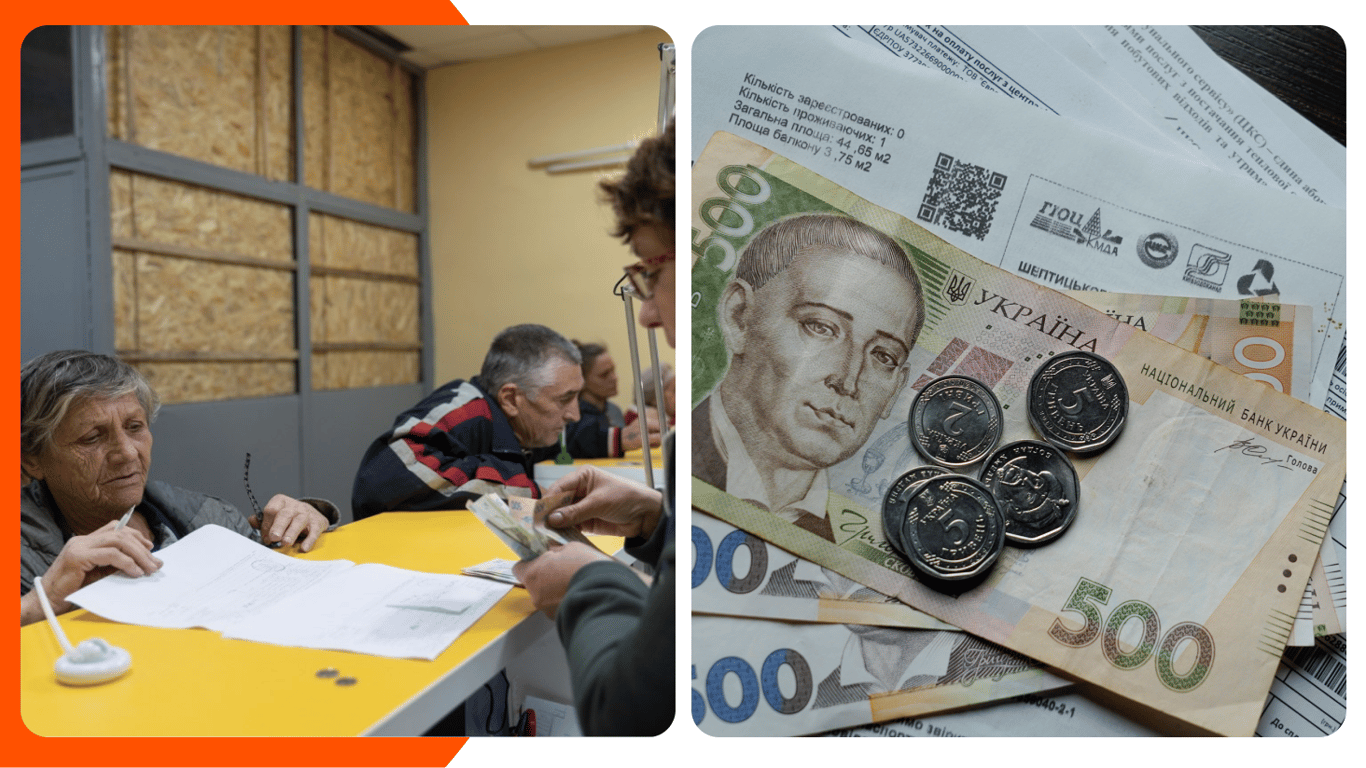
Water Bills Set to Surge in July 2026: Who Will See Their Subsidies Adjusted
New Water Supply and Sewage Tariffs Take Effect Across Ukraine Starting July 1, 2026, several Ukrainian cities will implement updated rates for water supply and sewage services. This shift will directly affect housing subsidies, as the government will automatically recalculate assistance for curren...
today, 08:00
332


Fuel Crisis Grips Russia as 2026 Refinery Attacks Surge 11-Fold
today, 05:42
361
Horoscope
LIFESTYLE

Tourism






Best Haircuts for Thick Hair: Styles That Enhance Your Natural Beauty
yesterday, 16:30
385

Tech



Society

Ukrainians File Over 1,300 Language Complaints in Six Months
today, 14:18
160



Showbiz




Sports





Europe’s Smallest Airport: Just 3 Flights a Day and a $12 Million Price Tag
yesterday, 23:54
380
Virtual Reality Tour Set to Launch in the Verkhovyna Region
yesterday, 20:36
396
Odessa Reopens 35 of Its 48 Beaches Following Safety Incidents
yesterday, 18:00
398