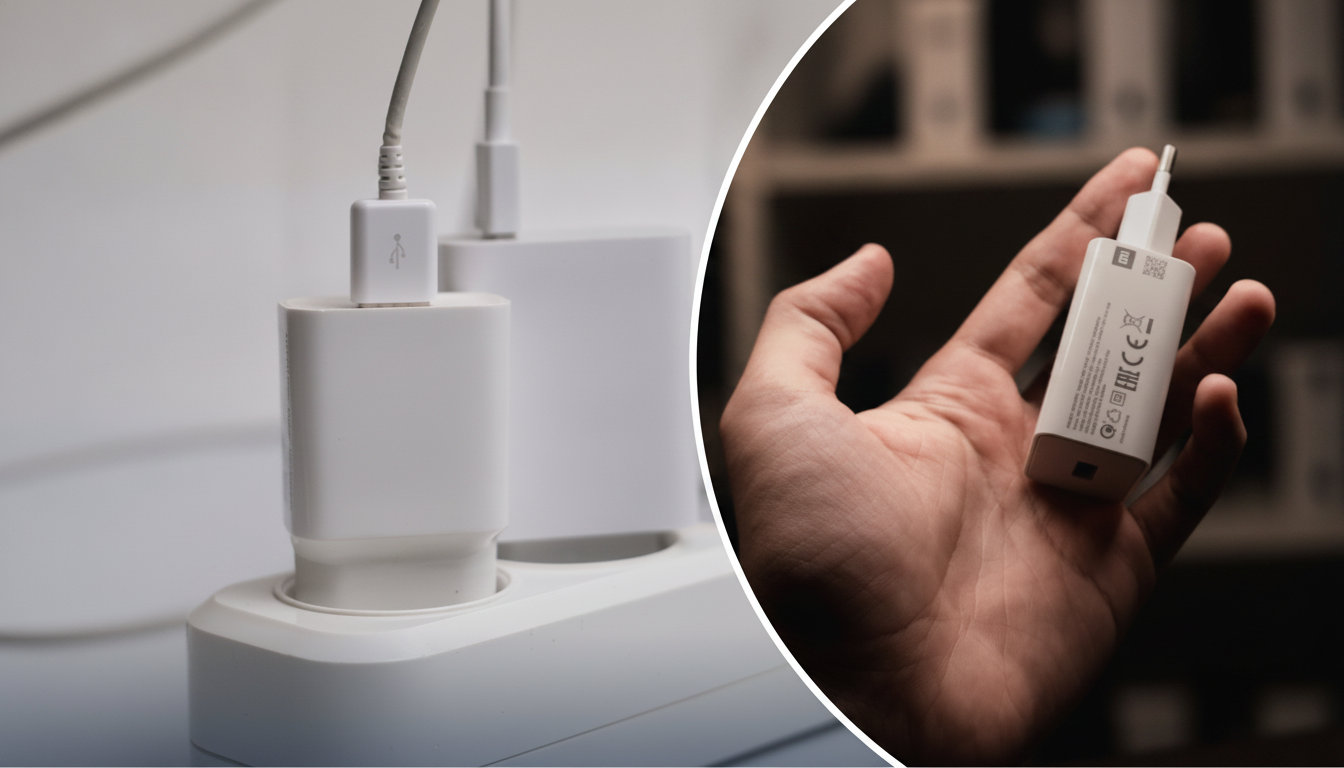

















Toasters and hair dryers emit trillions of toxic particles: why children are at risk.
According to ТСН: A new study by scientists from South Korea has shown that ordinary toasters and hair dryers emit a large number of ultrafine particles that can penetrate the human body. These invisible emissions are especially dangerous for children due to their sensitivity.
A group of scientists from Pusan National University (PNU) created a laboratory chamber to measure the amount of ultrafine particulate matter (UFP) emitted by household appliances. Particles of this size are less than 100 nanometers, which allows them to find their way into the body.
Results of the Experiment
The experiment covered different types of toasters, air fryers, and hair dryers. Many of these devices emitted significant volumes of ultrafine particles, with the biggest source of pollution being a retractable toaster that produces about 1.73 trillion UFPs per minute when not under load.
Although the study did not evaluate the direct impact of these particles on health, computer models suggest that these particles can penetrate human lungs and are particularly dangerous for children.
“Our study highlights the need for the development of electrical appliances with consideration for emission levels and age-related guidelines for indoor air quality. In the long term, reducing ultrafine particle emissions from everyday devices will promote healthier air in homes and reduce the risks of chronic exposure, especially for young children,” said PNU environmental engineer Changhyuk Kim.
Sources of Pollution
Researchers found that the main sources of emissions are electric heating elements and brushed DC motors. Hair dryers with brushless motors, on the other hand, emit 10-100 times fewer particles compared to traditional models.
Traces of heavy metals, such as copper, iron, aluminum, silver, and titanium, which can enter the air from heating coils and motor devices, were also found.
“The presence of such heavy metals increases the risk of cytotoxicity and inflammatory processes when particles enter the human body,” explains Kim.
Conclusions and Recommendations
Scientists emphasize that their study did not aim to assess the direct health consequences of using household devices. However, previous studies have already linked ultrafine particles to the development of serious diseases, such as asthma, heart disease, and cancer.
The issue of indoor air quality is drawing attention as people spend more time at home due to climate changes and the pandemic. Researchers call for enhanced safety of household appliances through improved design and energy efficiency, as well as implementing stricter regulations.
“Understanding the sources of pollution helps in developing preventive measures and policies to maintain healthy indoor air quality,” summarized Kim.
Interestingly, frequent consumption of microwave food, especially frozen ready-made meals, may carry hidden risks due to excessive sodium, uneven heating, and potentially toxic packaging.
Thus, the study emphasizes the invisible threats posed by simple household appliances. It is important to pay attention to their impact on health, especially for vulnerable groups such as children. Considering the findings may contribute to improving the design of household appliances and enhancing air quality in our homes.
Read also
- New Drug Doubles Survival in Pancreatic Cancer Patients: A Breakthrough in Treatment
- Flesh-Eating Parasite Discovered in Texas for First Time Since the 1980s—What It Means for the U.S
- Bacteria on Paper Money: How Long They Survive, Warns Doctor
- Military Personnel and Veterans Eligible for Spa Stay Reimbursements: What You Need to Know
- A Powerful G3-Class Geomagnetic Storm to Hit Earth on June 5: What It Means for You
- Troops May Face Repeat Medical Boards: Key Wording in Health Certificates