The government proposes up to 3 years in prison for illegal border crossing: what is known.

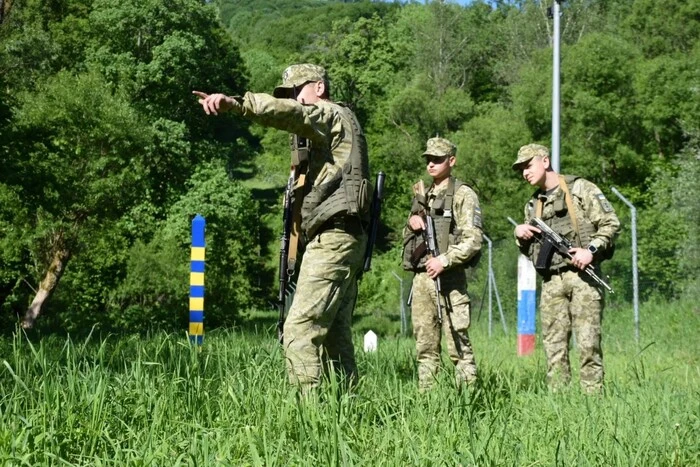
According to inkorr.com: According to bill No. 13673, illegal border crossing is proposed to be punishable by up to three years of imprisonment. This is punished less severely than evasion of military service during mobilization, for which one can be sentenced to up to five years in prison. Such a distinction may prompt some who seek to avoid mobilization to consider fleeing abroad less risky than staying home and evading service.
"There is a risk that potential evaders will consider illegal escape a better option," noted lawyer Rodion Dostatniy.
The lawyer also pointed out that illegal border crossing and evasion of mobilization are separate offenses. Depending on the specific circumstances, one could be punished for both.
Strengthening responsibility for violations
The Cabinet of Ministers of Ukraine submitted a bill to the Verkhovna Rada that provides for criminal liability for violations related to border crossing. This step aims to reduce the number of violators and increase control in this area. If the law is passed, the chances of avoiding punishment for illegal border crossing will become minimal, as trial and criminal responsibility are anticipated.
The Cabinet of Ministers is also proposing up to three years of imprisonment for illegal border crossing. This could serve as a deterrent to limit violations and ensure greater control. The adoption of the law will likely make unauthorized border crossing less attractive, as it entails serious consequences for violators.
This bill reflects the position of the Ukrainian authorities on strengthening responsibility for criminal offenses related to military service. In light of ongoing mobilization and military challenges, such initiatives may become an important tool in maintaining order and legality in the country. However, it is crucial that the new norms do not create excessive risks for citizens who may face difficult circumstances.Read also
- Three Ukrainians Without Documents Rescued from Occupied Territories Under Bring Kids Back UA Initiative
- Ukraine’s first underground kindergarten opens in Kharkiv, accommodating 260 children
- Ukraine's ports crippled by Russian strikes: 28 vessels hit, 21 killed
- 24 Children Rescued from Occupied Territories by Save Ukraine, Including Injured 13-Year-Old Anhelina
- Woman Faces Up to 7.5 Years in Prison After Attacking Children for Speaking Ukrainian in Poland
- One of the Most Recognizable Voices on Ukrainian Radio, Journalist Oleksandr, Has Passed Away