What You Can't Do on Your German Allotment: Key Legal Restrictions.

Understanding the Rules for German Allotment Gardens
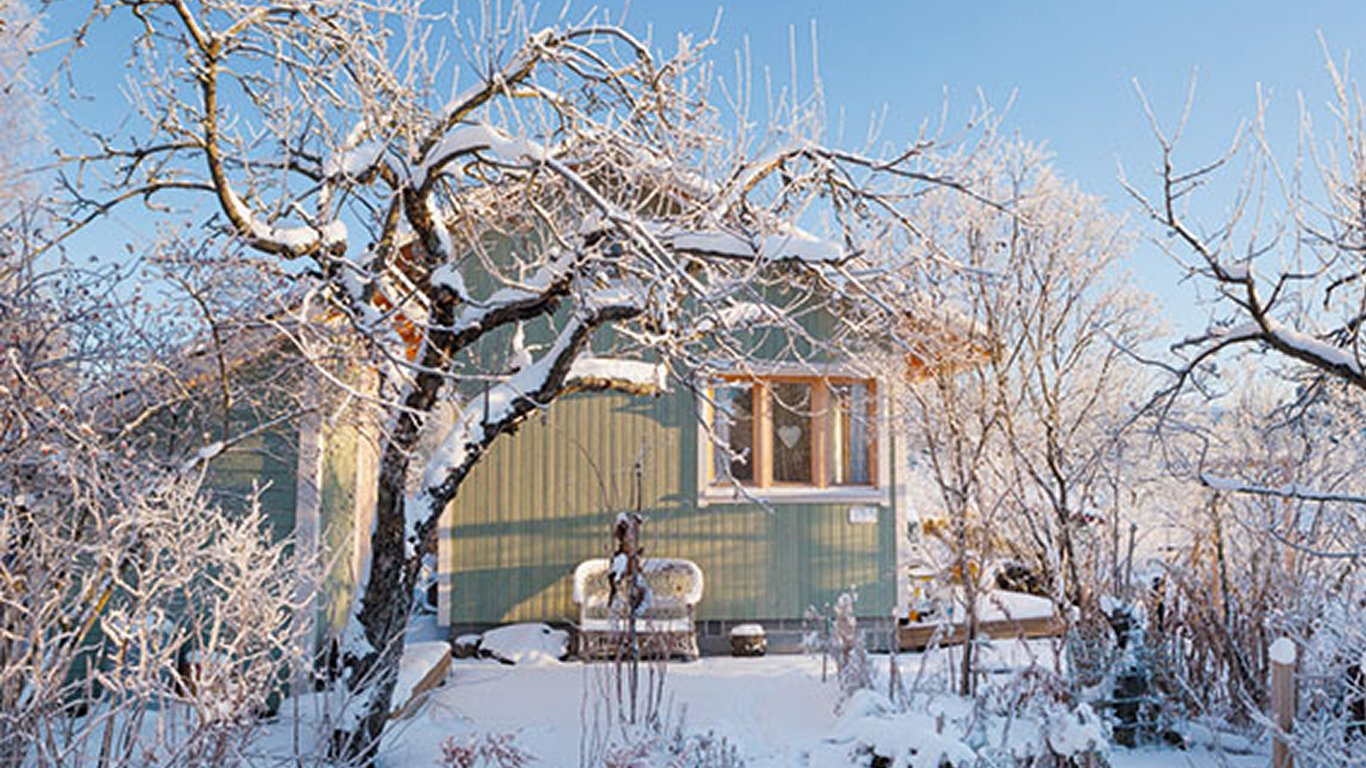
According to Novyny.live: In Germany, the use of small garden plots, known as 'Schrebergärten' or allotments, is governed by the Federal Small Garden Act (BKleingartenG). This law sets out specific rules for these recreational plots, which are primarily intended for leisure and horticulture. A key part of this legislation is Paragraph 3, which outlines the essential regulations that plot holders must follow.
One of the core requirements under the BKleingartenG is that the garden shed or summer house on the plot must not be suitable for permanent residence. Its sole purpose is to serve as a temporary shelter for relaxation. Another crucial rule is the size restriction: the structure, including any terrace, cannot exceed 24 square meters in total area. These regulations are designed to preserve the original purpose of these gardens as spaces for temporary leisure, not for full-time living, a concept that differs from the more permanent 'dacha' common in Eastern Europe.
Enforcement and Consequences
Enforcement of these rules within garden associations is notably strict. Plot owners who violate the regulations can face serious consequences, including:
- Receiving a formal written warning;
- Being fined for breaching the association's internal bylaws;
- Having their plot rental contract terminated.
It is particularly important to note that if a contract is terminated for non-compliance, the tenant is not entitled to compensation for any money or labor invested in improving the plot. This underscores the serious legal and financial implications of failing to adhere to Germany's allotment garden laws.
The prohibitions established by the Federal Small Garden Act aim to maintain the unique character of these plots as dedicated recreational spaces. Compliance is vital not only for individual owners but also for preserving the social harmony within these close-knit garden communities. Ultimately, these rules help sustain a long-standing German tradition of urban gardening and outdoor leisure, which is a popular and regulated feature of local life.
Read also
- Three Ukrainians Without Documents Rescued from Occupied Territories Under Bring Kids Back UA Initiative
- Ukraine’s first underground kindergarten opens in Kharkiv, accommodating 260 children
- Ukraine's ports crippled by Russian strikes: 28 vessels hit, 21 killed
- 24 Children Rescued from Occupied Territories by Save Ukraine, Including Injured 13-Year-Old Anhelina
- Woman Faces Up to 7.5 Years in Prison After Attacking Children for Speaking Ukrainian in Poland
- One of the Most Recognizable Voices on Ukrainian Radio, Journalist Oleksandr, Has Passed Away