Why 2016 Nostalgia Is Surging and What It Reveals About Today's Culture.


The 2016 Nostalgia Boom: A Cultural Mirror
According to Vox - Культура: A powerful wave of nostalgia for 2016 is sweeping through social media, particularly on platforms like TikTok, driven largely by younger users. This trend is more than just reminiscence; it's actively shaping current trends and cultural expression. A striking example is the 790% surge in 2016-themed playlists observed on Spotify in January 2023. This period is viewed as a pivotal cultural moment, marking the dawn of the modern influencer era and, for many, the last gasp of a shared monoculture before media fragmentation accelerated.
Daisia Tolentino, a journalist behind the newsletter Yap Year, suggests this surge of 2016 nostalgia could signal that young people are ready to break free from nostalgic cycles and move toward something new.
The growing popularity of themed playlists and content linked to 2016 shows how memories of that era are being woven into the fabric of today's culture. This integration extends beyond music to platforms like Apple Podcasts, Pandora, and Spotify, which host content revisiting the trends of that time. This collective looking back has the potential to inspire new creative projects and shape emerging cultural phenomena that resonate with contemporary youth.
Nostalgia's Impact on the Present
Consequently, nostalgia for 2016 is not merely a reflection on the past but a force actively influencing the present, molding new cultural trends and meanings.
This rising sentiment may indicate a deeper desire among young people to reinterpret their identities within a rapidly changing world. In an environment of constant social flux, memories of specific cultural milestones become crucial anchors for forging new understandings and ideas. Ultimately, this phenomenon suggests a generation is seeking grounding in a recent past to better navigate and define its place in a complex present.
Read also
- Three Ukrainians Without Documents Rescued from Occupied Territories Under Bring Kids Back UA Initiative
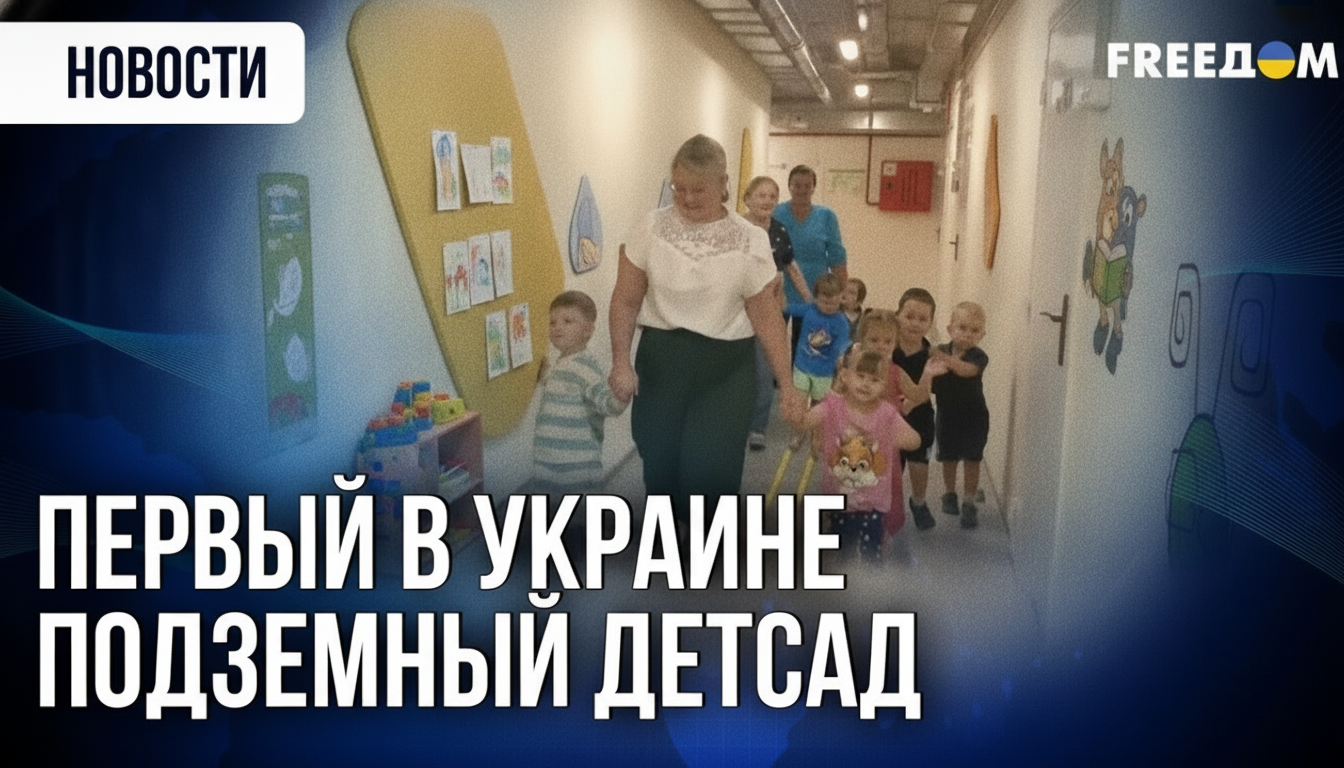
- Ukraine’s first underground kindergarten opens in Kharkiv, accommodating 260 children
- Ukraine's ports crippled by Russian strikes: 28 vessels hit, 21 killed
- 24 Children Rescued from Occupied Territories by Save Ukraine, Including Injured 13-Year-Old Anhelina
- Woman Faces Up to 7.5 Years in Prison After Attacking Children for Speaking Ukrainian in Poland
- One of the Most Recognizable Voices on Ukrainian Radio, Journalist Oleksandr, Has Passed Away