Poland Imposes New E-Scooter Regulations: Age Limits, Helmets, and Fines.

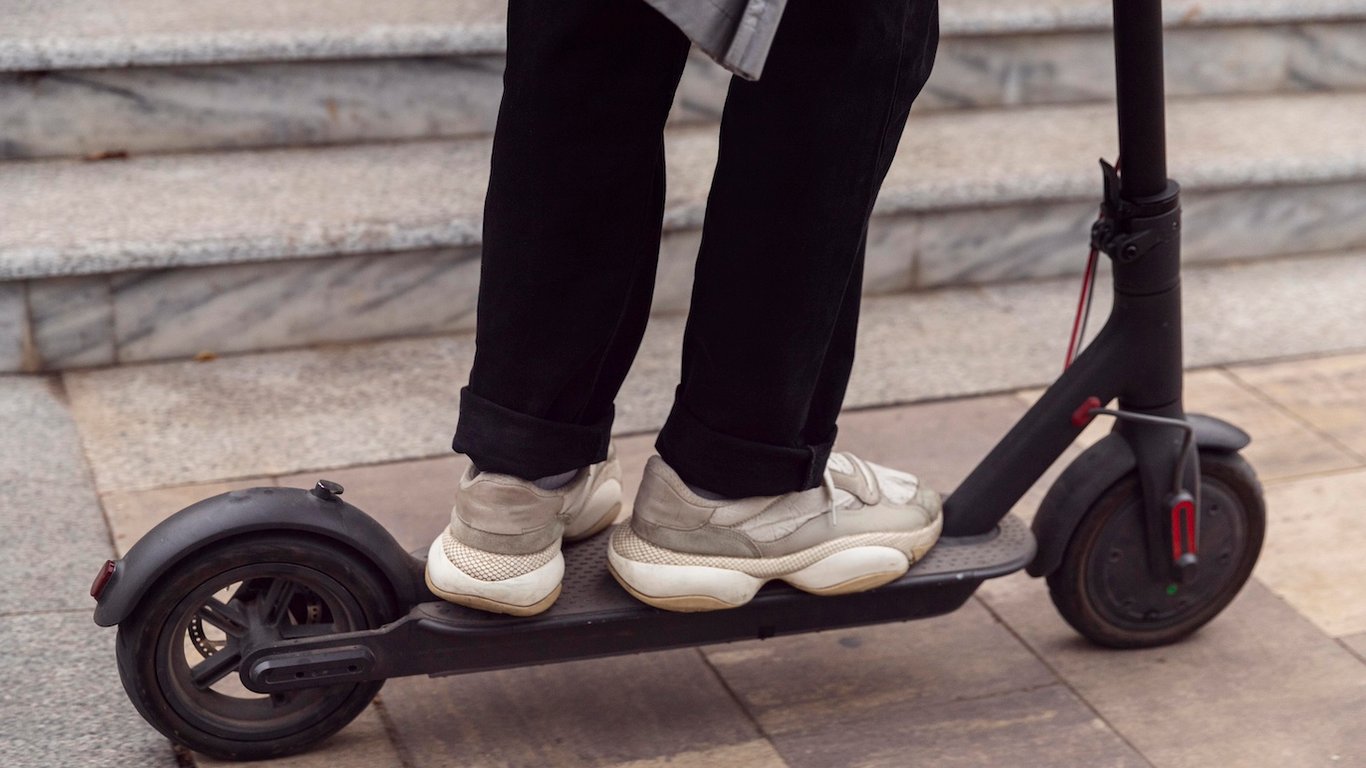
Poland's New Traffic Regulations for Electric Mobility
According to Novyny.live: Poland is set to introduce a new set of traffic rules for users of electric vehicles in March 2026, focusing on age restrictions and technical requirements. These changes aim to enhance road safety and better control the use of electric scooters, which have become a common sight in urban areas.
Key Requirements and Penalties
Starting March 3, 2026, only individuals aged 13 and over will be permitted to use electric scooters on public roads. Younger children may only operate them on private property. Teenagers between the ages of 13 and 17 must possess either a bicycle card or a driver's license. Failure to present the required documentation can result in a fine of up to 200 złoty, approximately equivalent to 2,050 Ukrainian hryvnia.
The maximum permitted speed for e-scooters will be capped at 20 km/h. Exceeding this speed limit or failing to meet technical standards can lead to a fine of up to 300 złoty (about 3,080 UAH). Furthermore, from June 3, 2026, wearing a protective helmet will become mandatory for all riders under the age of 16. Riding without a helmet will incur a 100 złoty fine, roughly 1,030 UAH.
The implementation of these new traffic rules in Poland reflects growing concerns over road safety, particularly among younger users of personal transport devices.
These new measures are designed to improve safety for teenagers on the roads and promote responsible use of electric transport among youth. The introduction of such regulations represents a significant step in governing electric mobility devices, especially e-scooters, whose popularity continues to rise in Polish cities. As e-scooters become increasingly common, appropriate rules can help reduce the number of accidents and incidents associated with their use. This move may also serve as a model for other countries considering how to regulate the burgeoning electric transport sector.
Read also
- Kyiv Electric Train Prices Increase from July 22: Fare Will Rise to 37 Hryvnias
- Russia Fines Residents for Storing Gasoline in Garages Amid Fuel Shortages
- Why Internally Displaced People in Ukraine Can't Get Mortgages: A Key Obstacle Identified
- Attacks on Ukrainians Surge in Poland: Hate Crime Numbers Jump 30%
- Civilian Casualties in Ukraine Hit Record Highs, UN Reports: A Closer Look at the Shift
- Fare rates for transportation in Kyiv have tripled: how the war is changing the transportation reality