Military Psychologist Sentenced to Five Years for Desertion.

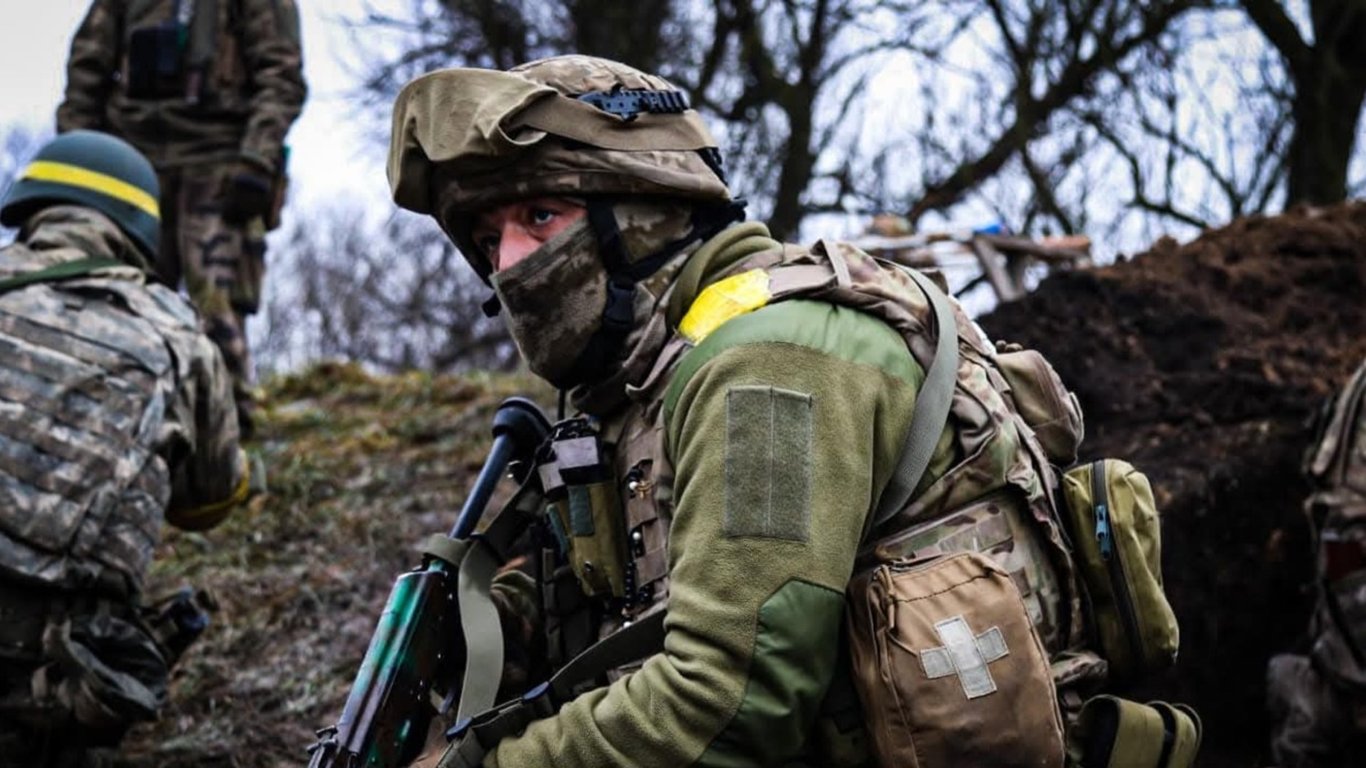
Court Verdict for Officer in Poltava Region
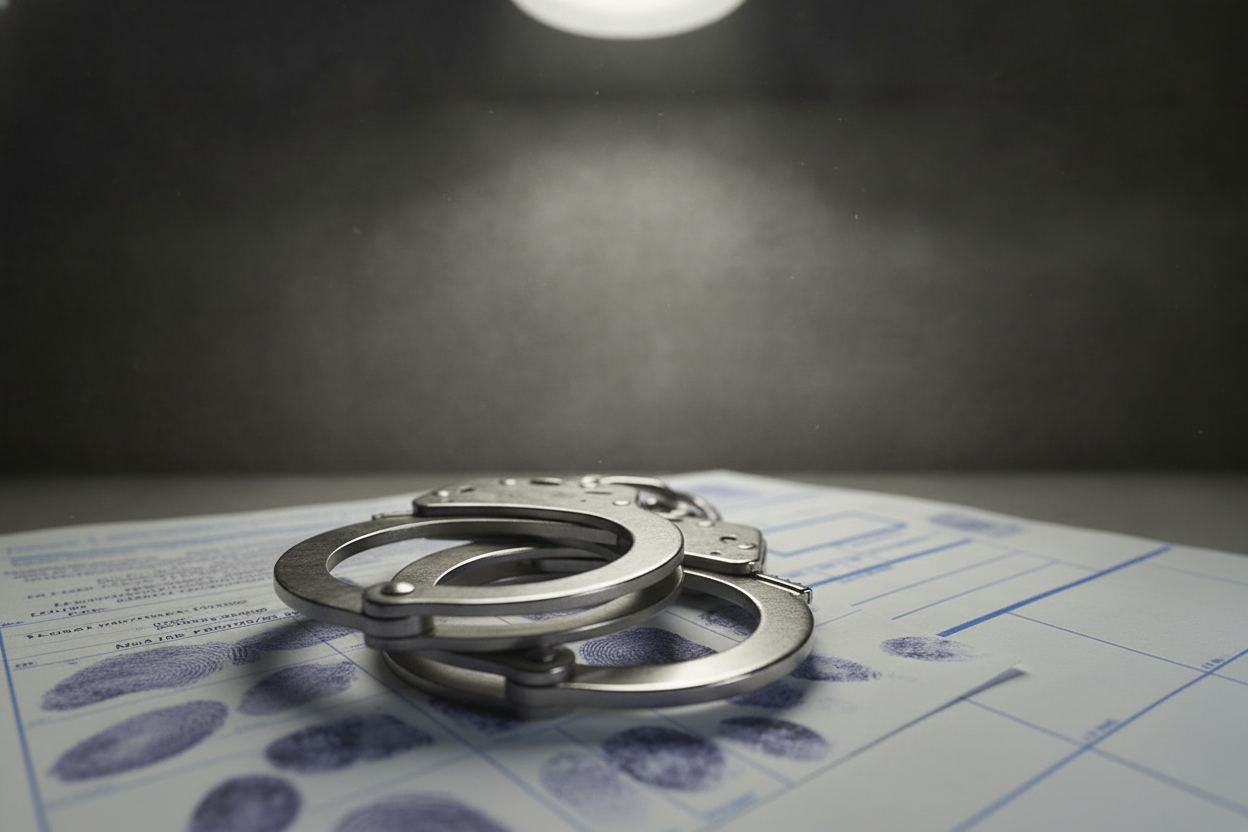
According to Novyny.live: A military psychologist serving in the Poltava region has been sentenced to five years in prison for deserting his post on three separate occasions. His first unauthorized absence occurred in December 2024, after which he returned to his unit in February 2023. Later that same year, the officer deserted his duties twice more. This sentencing comes as Ukraine enforces strict military discipline during a period of national defense.
The court's decision to impose a five-year prison term was a direct result of these violations. In a related development from the same region, a separate individual has been detained for 60 days without bail for allegedly informing Russian intelligence services about the locations of Ukrainian air defense systems. Furthermore, in Chernihiv, a soldier who twice left his post without authorization has also received a five-year prison sentence.
Conclusions and Implications
This case underscores the severe consequences for military personnel who breach discipline, particularly during wartime. Such judicial rulings serve as a stark warning to other service members that desertion will not be tolerated, reflecting the heightened focus on maintaining order and security within the armed forces.
The simultaneous prosecution of collaborators indicates active efforts by law enforcement to root out individuals aiding the enemy, which is a critical component of safeguarding national security during the ongoing conflict.
Read also
- Three Ukrainians Without Documents Rescued from Occupied Territories Under Bring Kids Back UA Initiative
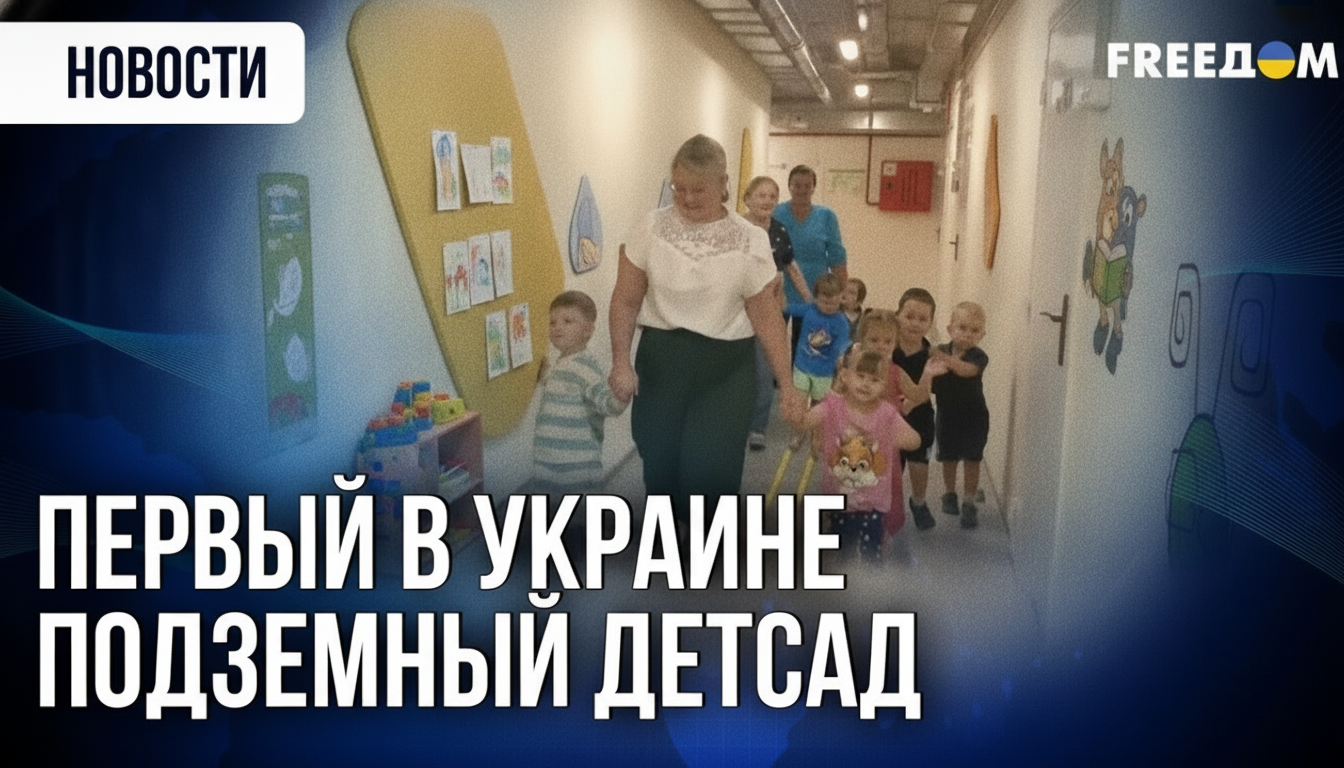
- Ukraine’s first underground kindergarten opens in Kharkiv, accommodating 260 children
- Ukraine's ports crippled by Russian strikes: 28 vessels hit, 21 killed
- 24 Children Rescued from Occupied Territories by Save Ukraine, Including Injured 13-Year-Old Anhelina
- Woman Faces Up to 7.5 Years in Prison After Attacking Children for Speaking Ukrainian in Poland
- One of the Most Recognizable Voices on Ukrainian Radio, Journalist Oleksandr, Has Passed Away