







Hungary's Orban Threatens Force to Restart 'Druzhba' Pipeline, Rejecting Compromise with Ukraine.
Viktor Orban's Statements on the 'Druzhba' Pipeline
According to TSN.ua: Hungarian Prime Minister Viktor Orban has threatened to use force to restart the 'Druzhba' oil pipeline in Ukraine, claiming he possesses the political and financial tools to do so. He also refused to make any agreements with Ukraine and stressed he has no plans for compromise. These remarks follow the pipeline's shutdown on January 27 after a Russian missile strike. This critical piece of energy infrastructure carries Russian oil to parts of Central Europe, making its operational status a matter of regional security.
The pipeline's stoppage has had serious consequences for oil supplies. Hungary and Slovakia have already agreed to form a joint commission to investigate the damage sustained by the pipeline. However, amid increasing diplomatic pressure from the European Union on Ukraine, the situation remains tense.
Presidential Comments and Their Consequences
Orban: 'We will win, and we will win by force. We have the political and financial instruments, and we will force them to restart the 'Druzhba' pipeline unconditionally and as soon as possible.'
He further emphasized that he would not conclude any deals and foresees no compromises, stating: 'I will not conclude any agreements, there will be no compromises, we will defeat them.'
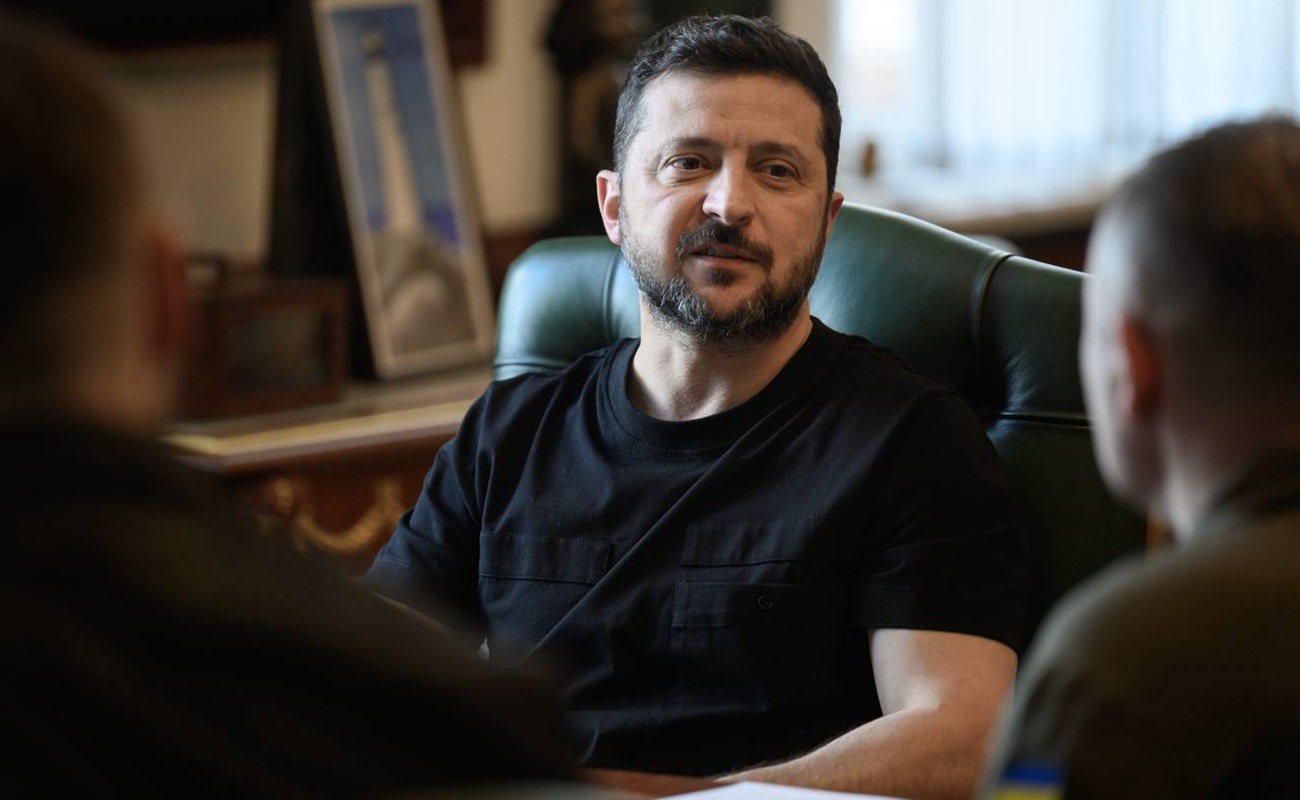
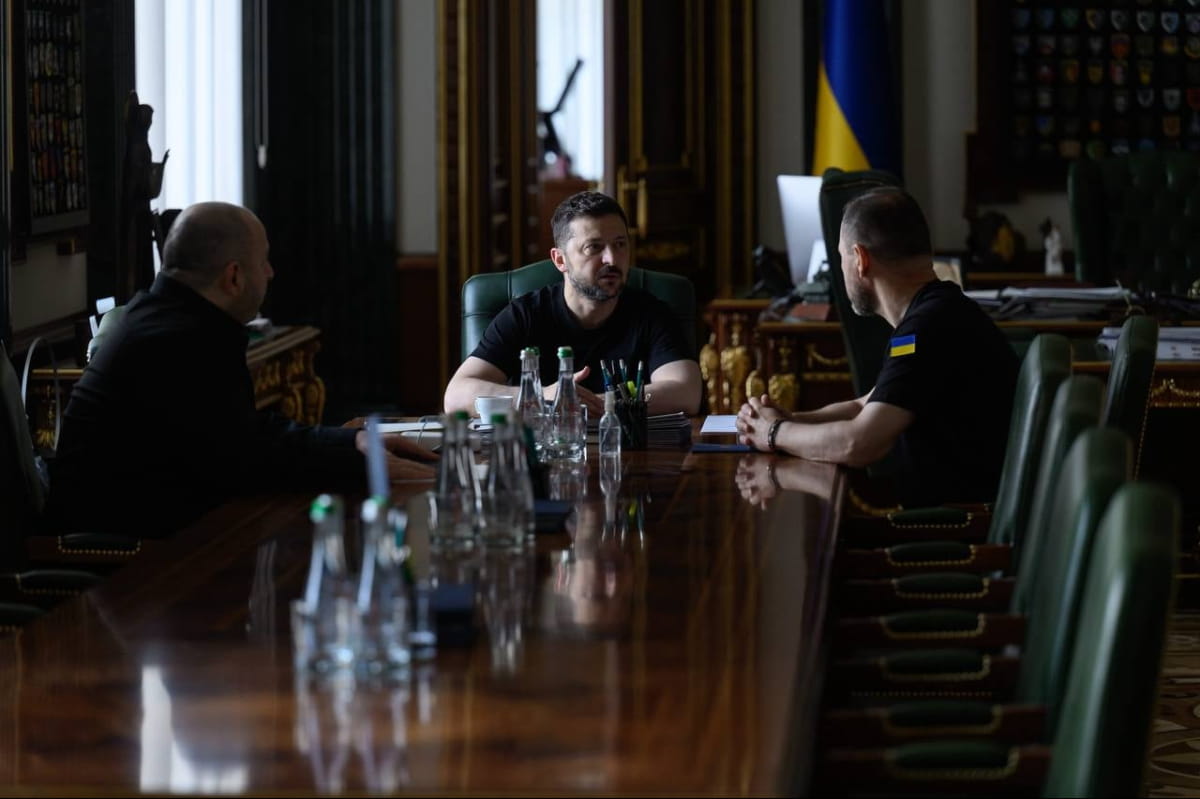
Amid this crisis, Ukrainian President Volodymyr Zelenskyy highlighted that 'the infrastructure was destroyed by Russia,' stressing the need for mutual respect between countries. These events underscore the complexity of the situation surrounding the 'Druzhba' pipeline and the energy relations between Hungary and Ukraine.
This situation highlights the strain in Ukraine-Hungary relations, exacerbated by the ongoing war and energy challenges. The 'Druzhba' pipeline's importance for energy stability in Central and Eastern Europe makes it a key element in geopolitical calculations, which could influence the future development of relations between these countries and their allies. Orban's stance often places him at odds with broader EU policy, particularly regarding support for Ukraine.
Read also
- Baltic Nations to Host Ukrainian Drone Experts as Latvia Prepares to Receive Anti-UAV Systems
- Court Overturns Ruling in Favor of Top Ukrainian Official Tatary: A New Twist in the Deputy Head’s Legal Saga
- Positive Signals Emerge for Ukraine-Hungary Normalization After Zelenskyy-Orbán Meeting Announcement
- Ukraine Establishes Unmanned Systems Forces Day as President Confirms Long-Range Sanctions Plan Is Fully Implemented
- New Ukrainian Interceptor FP-7.x Hits Targets at 25 km Altitude in First Test Flight
- Zelensky Reveals Outcome of Letter to Putin: Kremlin Rejects Offer, Trump Voices Support