Part-time in Ukrainian legislation: how to work less and keep your rights.


According to inkorr.com: Creating a work schedule is a challenging task. In this situation, part-time employment becomes an important tool for organizing an effective workflow.
Everyone actively looking for a job should know about part-time work, as the modern labor market is becoming increasingly flexible, and the concept of a 'full working day' is no longer the only form of employment. Many people prefer flexible schedules, combining their professional activities with education, family responsibilities, or other interests.
What is part-time?
One of the most popular formats is part-time work. It allows individuals to work fewer hours while maintaining a stable income and opportunities for professional development. In Ukraine and other countries, the demand for part-time workers is increasing among both youth and experienced specialists who seek to find a balance between work and personal life.
Part-time (English: part-time) means working less than the standard full-time day or week. This form of employment implies that the employee works fewer hours than in a standard full schedule. For instance, if a full working day lasts 8 hours, a part-time employee might work 4–6 hours a day or only a few days a week.
This format is often applied in sectors where flexibility and the ability to adapt quickly are essential, such as retail, education, IT, marketing, and services. Part-time work should not be considered temporary or low-skilled, as it is often a conscious choice of those who want to manage their time.
In Ukraine, the concept of part-time employment is enshrined in the Labor Code. The employer may establish reduced working hours with the employee's consent. All main rights, such as vacation and sick leave, remain in effect; however, the salary is proportionally reduced according to the hours worked.
Types and formats of part-time employment

The part-time format can vary depending on the needs of the employee and the company. Here are several common types:
Reduced workday – the employee works fewer hours daily than in a standard schedule, for example, from 9:00 AM to 2:00 PM. This option is convenient for parents or students.
Reduced workweek – the employee works full days but not every day of the week, e.g., three or four days instead of five.
Variable schedule – the employee works according to an agreed schedule that can change.
Seasonal employment – the employee works only during certain periods of the year, such as in the holiday season.
Remote part-time – the work is performed partially or completely online, without being tied to an office.
Each of these formats has its unique features, but they are united by the main idea – flexibility. The employee and employer collaboratively determine how much time is needed to complete tasks and when it is convenient to work.
Advantages of part-time for employees
Part-time offers numerous opportunities for those who cannot or do not want to work full-time. The key advantage is the flexibility of the schedule, allowing individuals to plan their day and combine work with studying, raising children, or household tasks.
Another important advantage is the ability to maintain a balance between work and personal life. Part-time employment helps avoid emotional burnout while preserving productivity.

For students and young professionals, this kind of employment is an excellent way to gain initial experience without giving up on their studies. It can also serve as a smooth return to work after an extended break.
Another advantage is the reduced level of stress, helping to avoid overwhelm, conflicts due to lack of time, and focusing on the quality of task execution.
Advantages of part-time for employers
From the employer's perspective, part-time work is an effective way to optimize the workflow. Companies can hire several employees on a part-time basis instead of one for full-time, providing flexibility in planning.
Moreover, this reduces labor costs. Salaries are paid proportionally to hours worked, helping to avoid overpayment.
It is also essential to attract more talented specialists who cannot work full-time but are ready to make a significant contribution to the company's development.
Part-time can increase employee loyalty and provide an opportunity to test candidates before hiring them full-time.
Possible risks and limitations

Despite numerous advantages, the part-time format has drawbacks. The main downside is the lower income level, as salaries depend on hours worked.
Some companies may also limit access to social benefits, and in the public sector, there may be difficulties in accounting for work experience.
For employers, the main challenges are the difficulty in coordinating work and the risk of reduced communication efficiency.
Most of these issues can be resolved through proper organization and open communication.
Overall, part-time work is an effective employment format that combines flexibility and stability, adapting to modern economic realities.
How to organize part-time in the company
Organizing part-time employment requires a systematic approach and clear strategy. Management should determine which positions can work in a reduced format.
The next step is to create a working schedule considering employees' preferences.
It is crucial to agree on the volume of tasks, as employers often mistakenly assign the full workload to part-time employees.
Ensure proper communication using modern technologies so that employees can effectively perform their tasks.
It is also important to regulate legal and financial aspects, explaining employees’ rights and obligations in detail.
Equally important is to maintain motivation and engagement among staff to ensure they do not feel secondary.
Examples of successful part-time application
There are many examples of successful part-time employment around the world. For example, large IT companies often hire programmers on a part-time basis for specific tasks.
In retail, part-time work is used to cover peak loads, such as during holiday periods.
In education and consulting, part-time employment is also actively applied.
In startups, part-time work helps to test new employees before offering full-time employment.
Among large global companies like Google and Microsoft, part-time employment is gaining popularity because it contributes to increased employee loyalty.
In public institutions in Europe, part-time work is actively used for parents after maternity leave, creating a balance between work and family.
Thus, effective organization of part-time employment requires clear planning, proper allocation of responsibilities, and open communication, fostering mutually beneficial conditions for both employees and employers.
Read also
- Three Ukrainians Without Documents Rescued from Occupied Territories Under Bring Kids Back UA Initiative
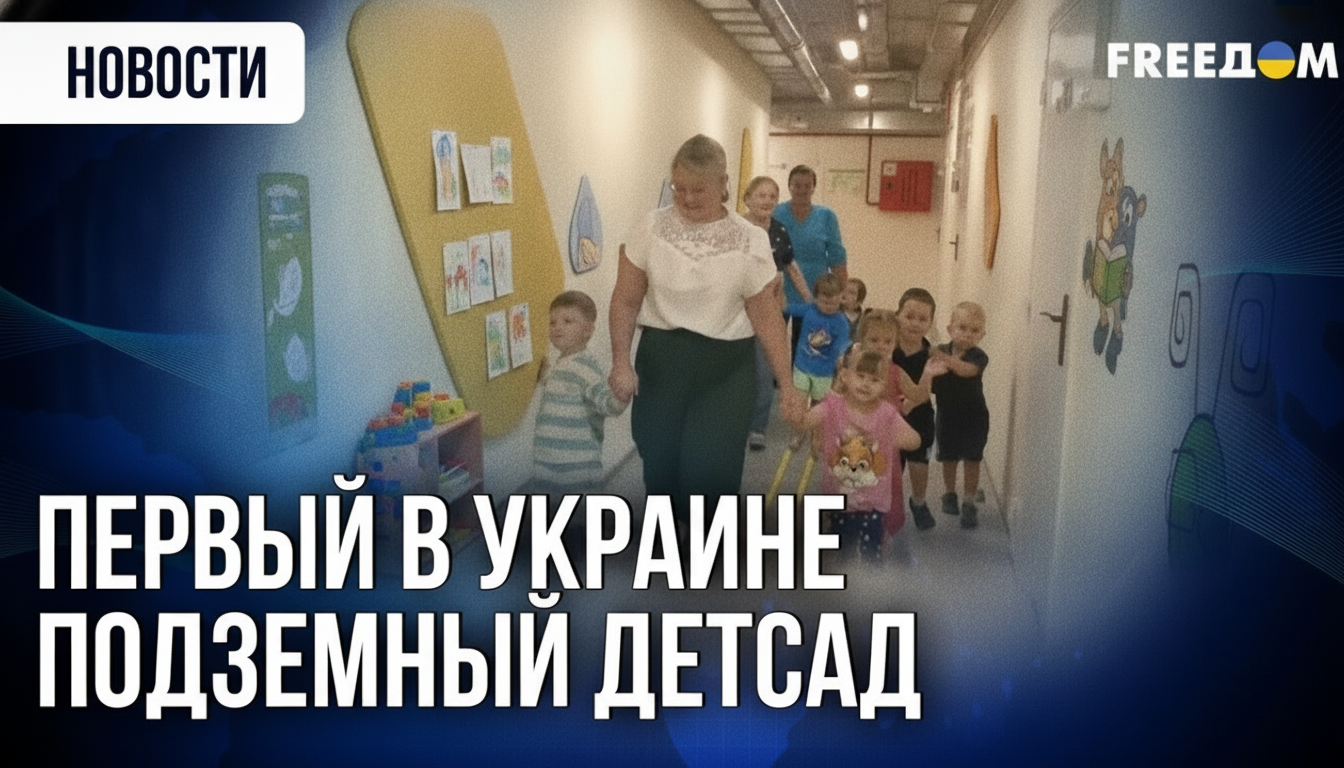
- Ukraine’s first underground kindergarten opens in Kharkiv, accommodating 260 children
- Ukraine's ports crippled by Russian strikes: 28 vessels hit, 21 killed
- 24 Children Rescued from Occupied Territories by Save Ukraine, Including Injured 13-Year-Old Anhelina
- Woman Faces Up to 7.5 Years in Prison After Attacking Children for Speaking Ukrainian in Poland
- One of the Most Recognizable Voices on Ukrainian Radio, Journalist Oleksandr, Has Passed Away