Traffic Sign 4.6: Which Turns Are Allowed at an Intersection?.

Why Understanding Road Signs Matters
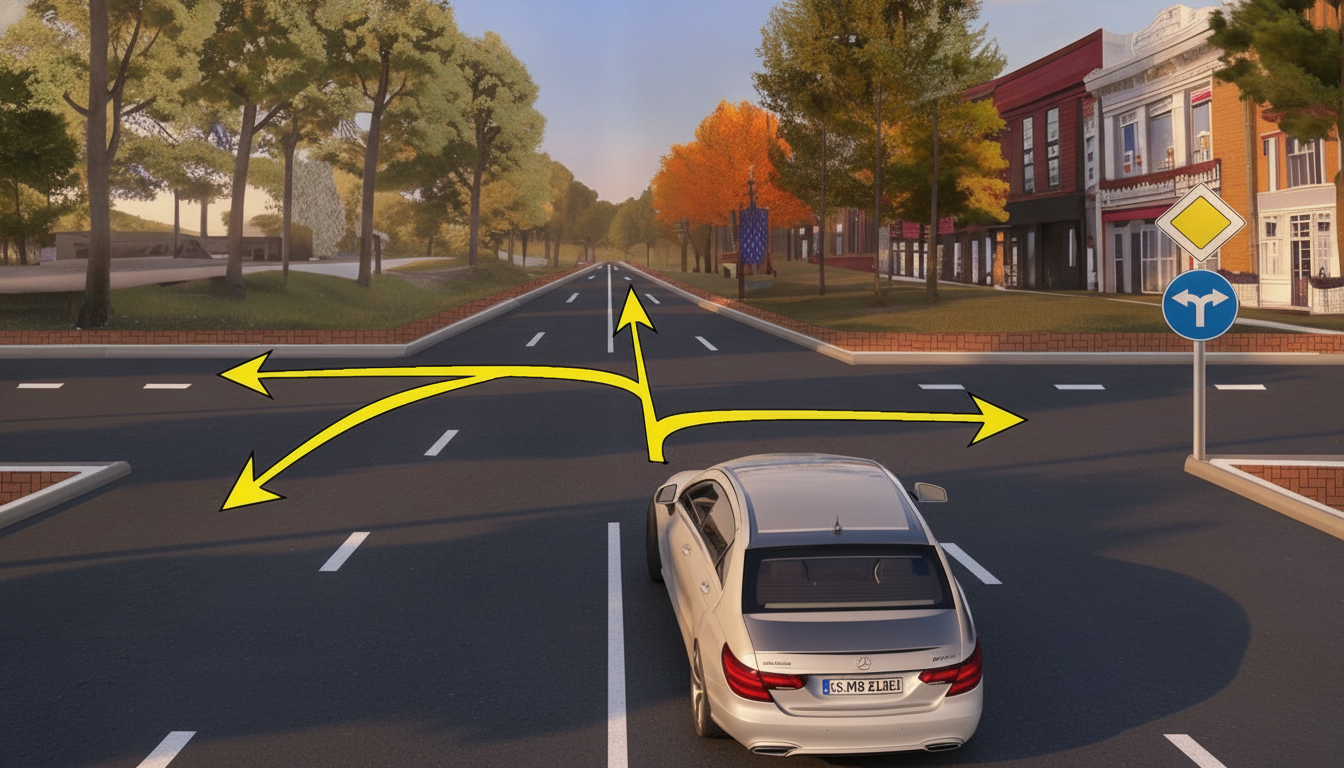
According to Novyny.live: Knowing how to interpret traffic signs and follow road rules is a key part of staying safe behind the wheel. One important sign that controls movement at intersections is the mandatory sign 4.6, which reads 'Turn Right or Left.' It tells drivers they may only go in those directions, but it does not prohibit making a U-turn. This means motorists must strictly follow the permitted routes to avoid breaking the law.
Take the example of a gray car sitting at an intersection. The driver cannot go straight because the sign blocks that option. According to traffic rule 10.4, before turning left, right, or making a U-turn, a driver must first move into the correct lane. In this case, the gray car is in the left lane, so a right turn is off the table. That leaves only two legal moves: turning left or performing a U-turn.
Allowed Directions of Travel
Here are the possible answer choices for what directions the gray car can take:
- Left and right
- Straight and reverse
- Right, left, and reverse
- Left only
- Left and reverse
- All directions are allowed
The correct answer in this scenario is option 5: 'Left and reverse.' Grasping these small details helps drivers steer clear of dangerous situations and keeps the roads safer for everyone.
Properly reading and obeying traffic signs is absolutely critical for road safety, as they direct the flow of traffic and help prevent crashes. Drivers need to stay informed about the rules of the road so they can react correctly in any situation and avoid violations that could lead to harm. This also highlights how important ongoing education and awareness are for motorists—efforts that can greatly reduce the risk of accidents.
Read also
- Three Ukrainians Without Documents Rescued from Occupied Territories Under Bring Kids Back UA Initiative
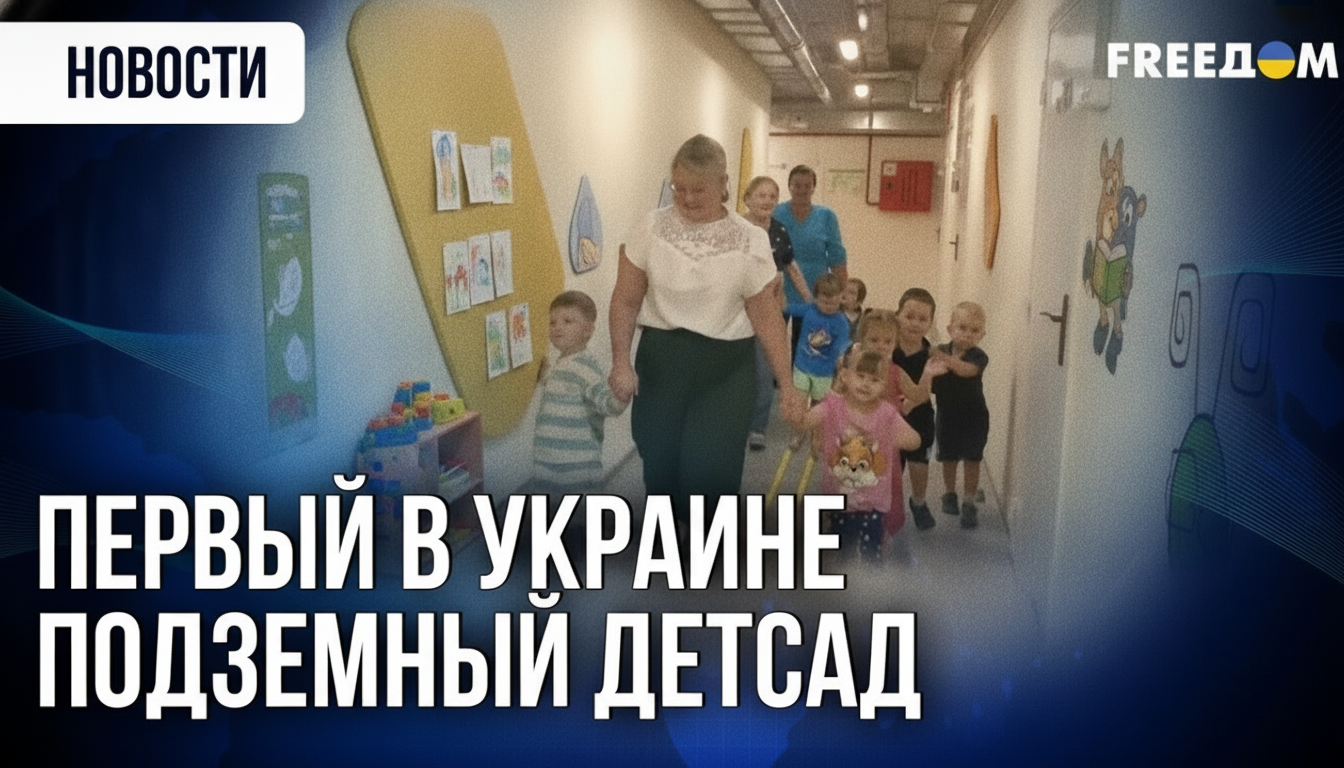
- Ukraine’s first underground kindergarten opens in Kharkiv, accommodating 260 children
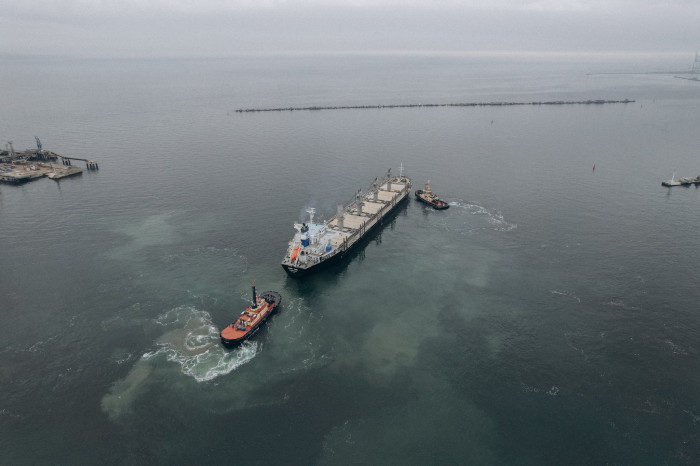
- Ukraine's ports crippled by Russian strikes: 28 vessels hit, 21 killed
- 24 Children Rescued from Occupied Territories by Save Ukraine, Including Injured 13-Year-Old Anhelina
- Woman Faces Up to 7.5 Years in Prison After Attacking Children for Speaking Ukrainian in Poland
- One of the Most Recognizable Voices on Ukrainian Radio, Journalist Oleksandr, Has Passed Away