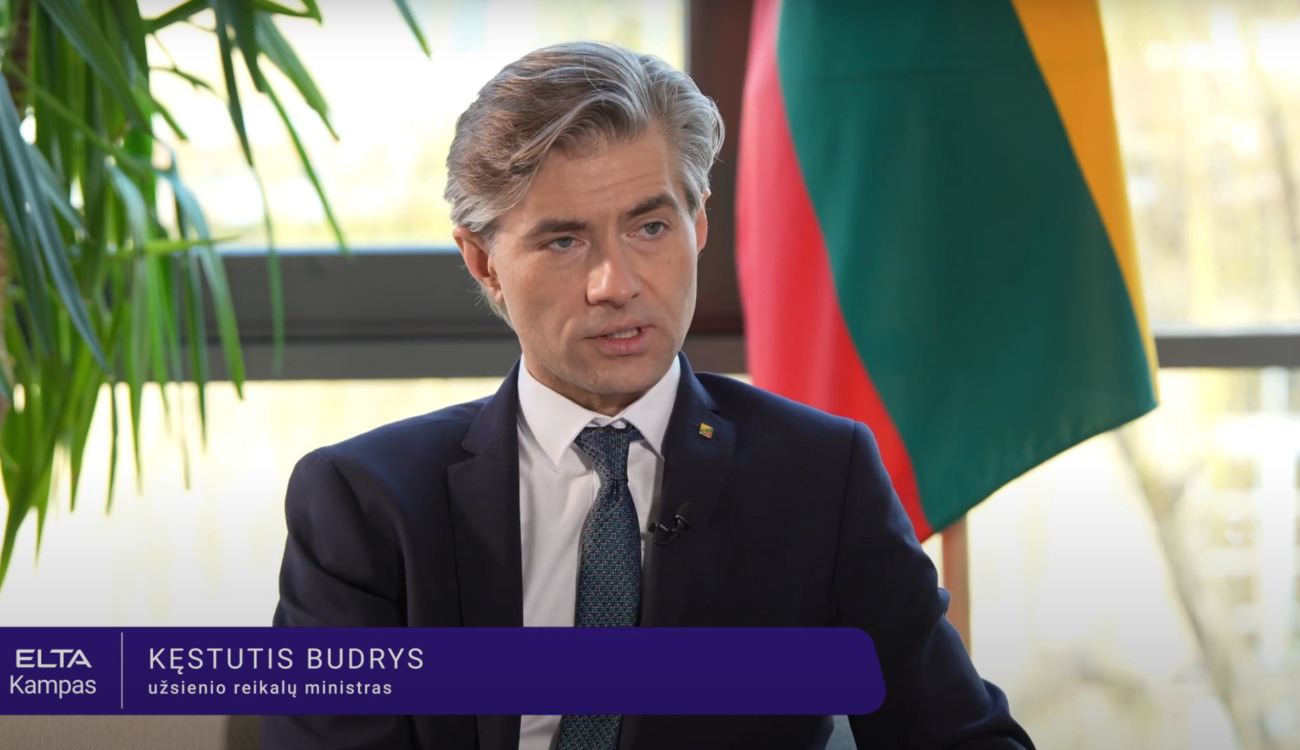
Abu Dhabi Talks Stalled as Russian Military Lacks Authority for Peace Deal.

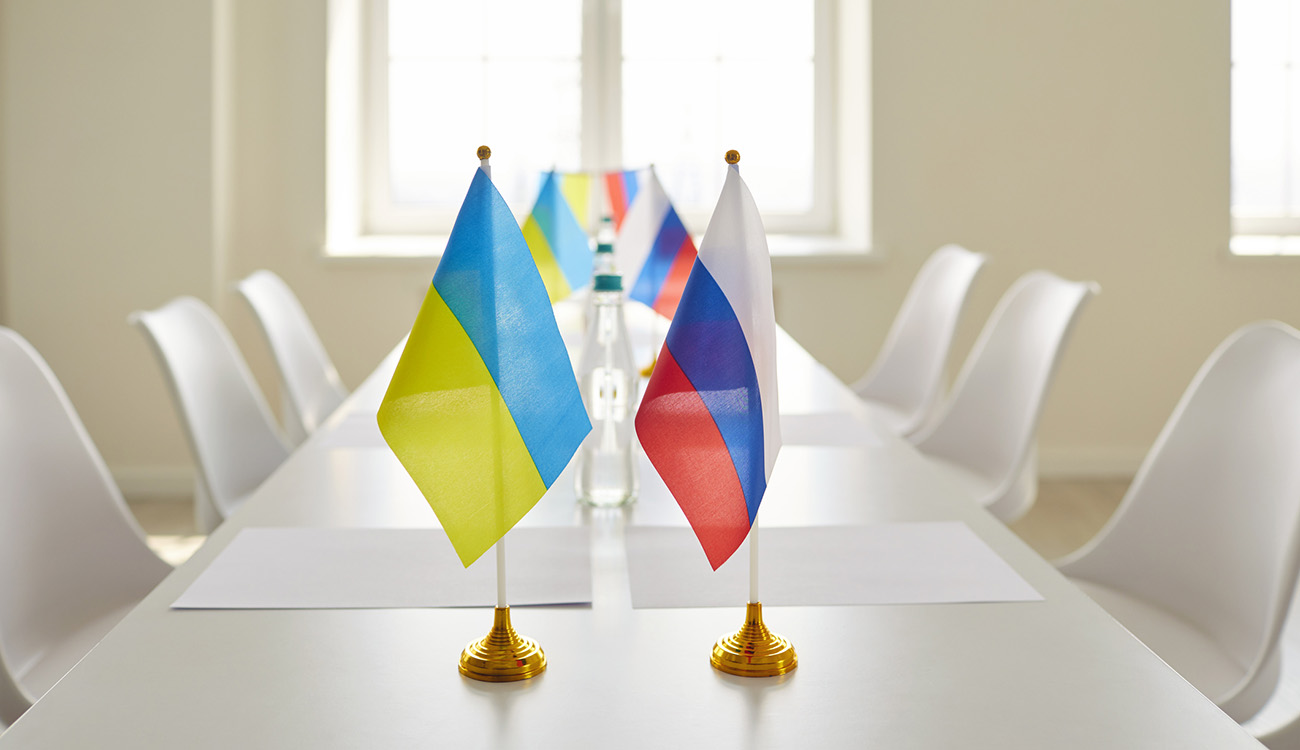
Peace Talks in Abu Dhabi Hit a Critical Impasse
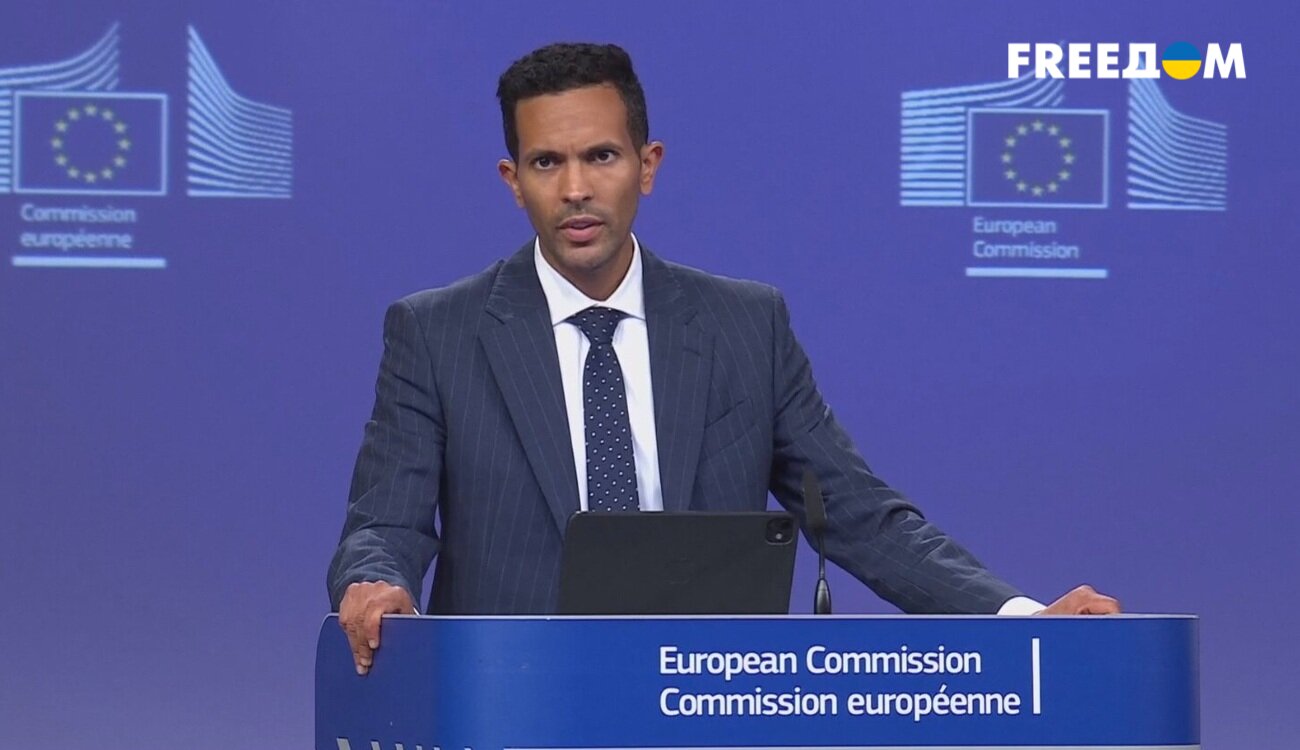
According to UATV: Peace negotiations between Russia, Ukraine, and the United States, held in Abu Dhabi, have proven difficult because the Russian delegation lacks the mandate to sign any peace agreement. Kaja Kallas, the European Union's foreign policy chief, noted that the Russian military officials representing their country at these talks do not possess the necessary authority to make binding decisions. She emphasized that Russia's continued military actions significantly complicate the path to peace. These talks are part of ongoing international efforts to find a diplomatic resolution to the war in Ukraine.
The Abu Dhabi negotiations took place on January 23-24, with the Russian delegation led by Igor Kostyukov. Despite attempts to foster constructive dialogue, Kaja Kallas expressed concern, stating,
"Russia is being represented by military personnel who lack the authority to conclude a peace agreement"- Kaja Kallas. This situation casts serious doubt on the potential outcomes of the diplomatic process.
Next Steps and the Reality on the Ground
A further round of talks is scheduled for this week, though it will proceed without U.S. participation. Oleg Lisnyy observed that Russia's rhetoric has remained unchanged, which may indicate a lack of readiness for compromise. Meanwhile, Senator Marco Rubio reported that a general agreement has been reached on security guarantees for Ukraine. He clarified that these guarantees involve "the deployment of a limited contingent of European troops."
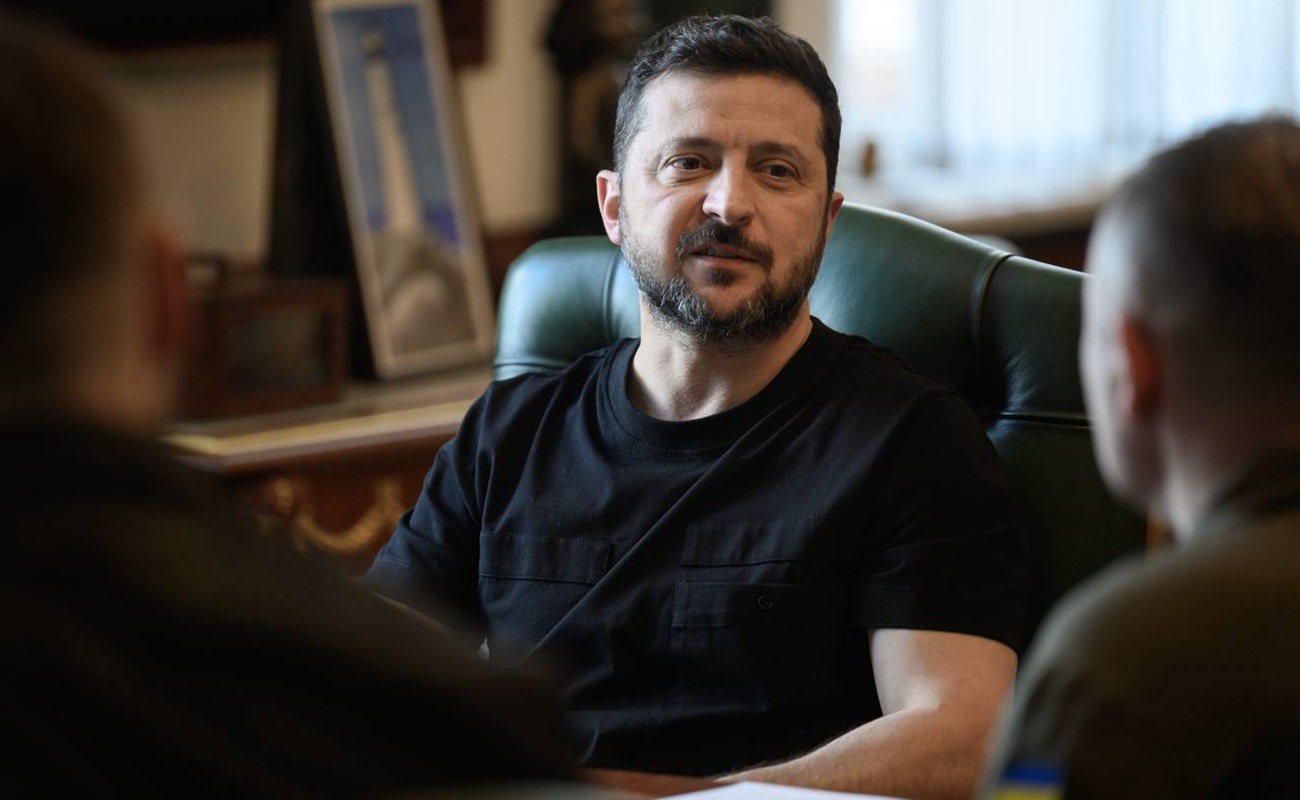
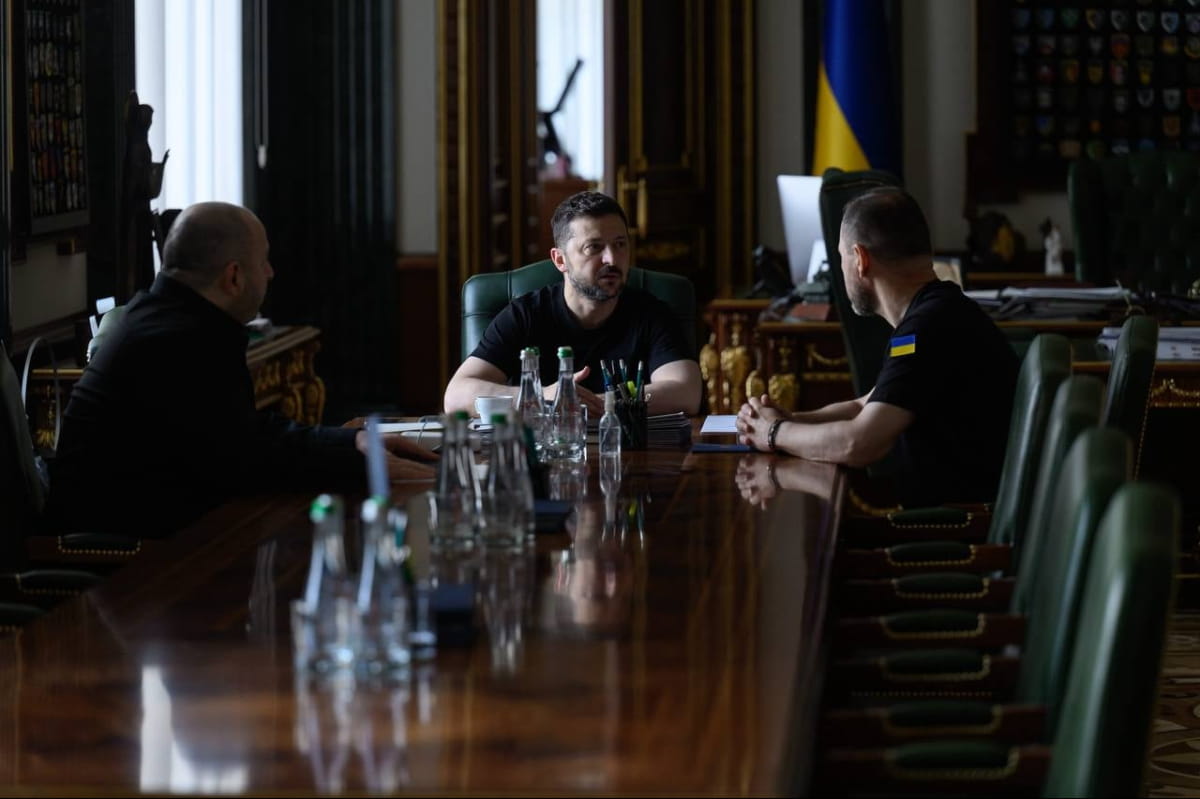
Furthermore, Ukrainian President Volodymyr Zelenskyy reported that a planned attack would involve missiles and strike drones, highlighting the seriousness of Russia's military intentions. Thus, despite diplomatic efforts, the realities of the military situation severely hinder the possibility of reaching a peace deal between the warring parties.
The Abu Dhabi talks underscore the complex predicament facing the conflict's participants. The Russian delegation's absence of authority to finalize a peace deal suggests that military operations will persist, and diplomatic initiatives may fail to produce meaningful change. With upcoming negotiations set to exclude the U.S., it is crucial to monitor subsequent developments that could impact regional security and the prospects for a stable peace in Ukraine.
Read also
- Zelensky and Top Military Command Outline Response Plan to Russian Strikes
- EU Adopts 21st Sanctions Package Against Russia: What the New Restrictions Target
- Deadly Strikes Hit Kyiv Region and Sloviansk: 11 Killed, Dozens Wounded
- Ukrainian Forces Strike Kirov’s Avitek Plant: Key Military Components Under Sanctions
- A Vatican Meeting Shifted Zelenskyy’s Relationship With Trump: What Happened at St. Peter’s Basilica
- Zelensky Warns of Black Sea Grain Corridor Blockade as Ukraine Calls UN Security Council Meeting