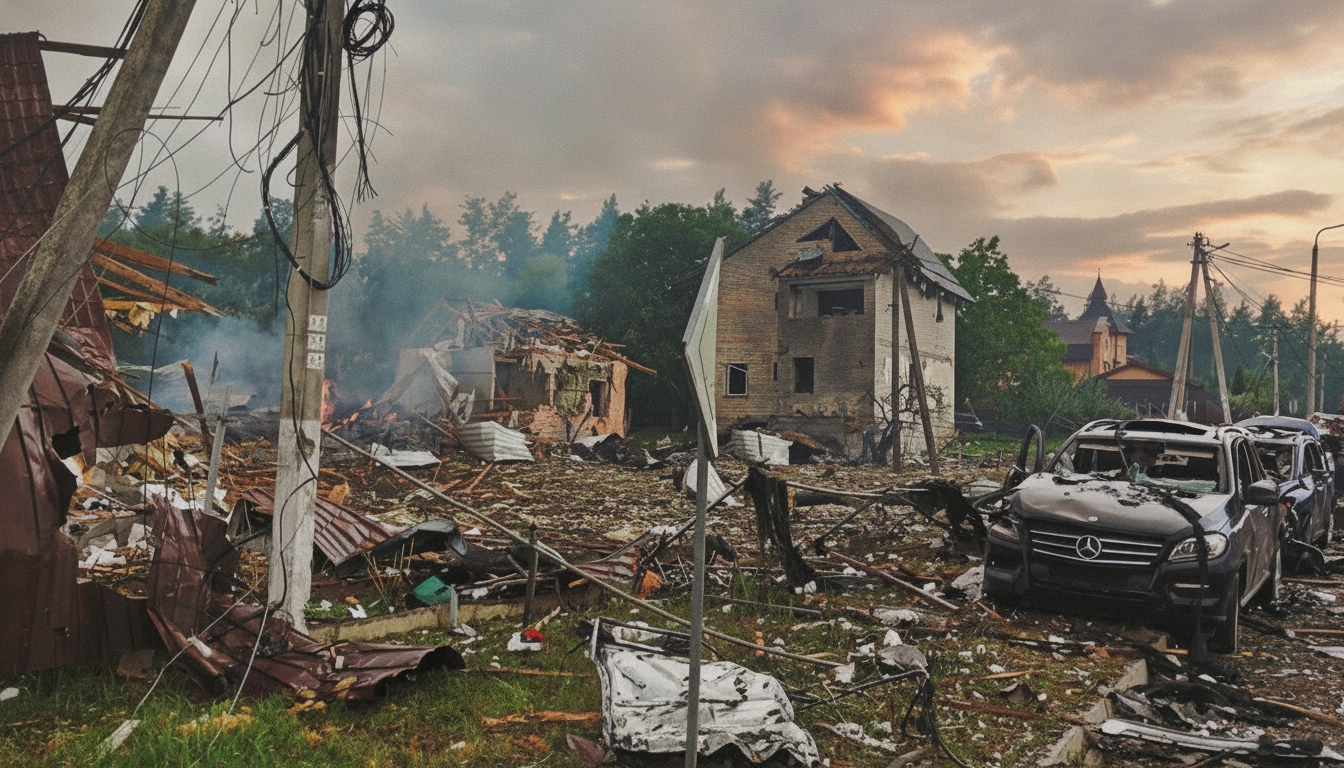
Two Years After the Kakhovka Dam Destruction: The New Reality of the Former Reservoir.

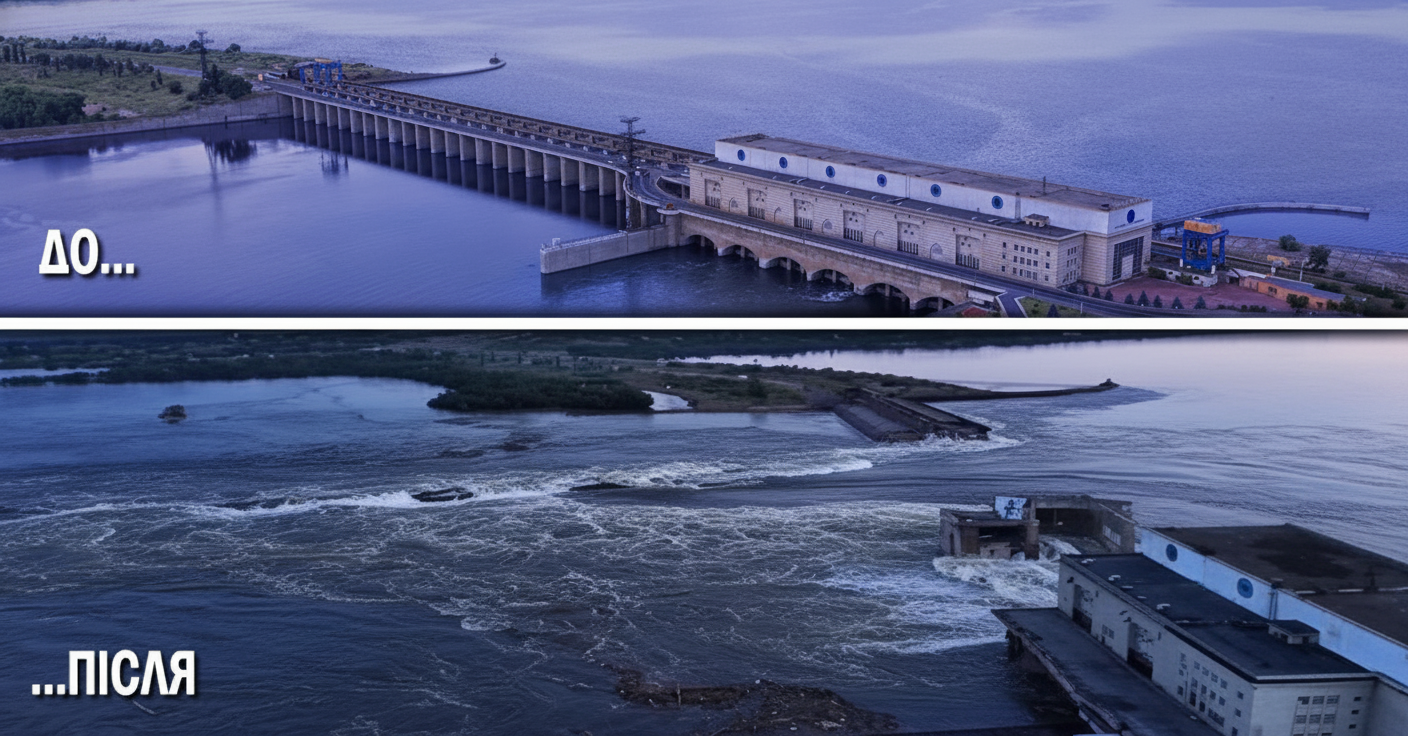
Environmental Disaster Following the Kakhovka Dam Explosion
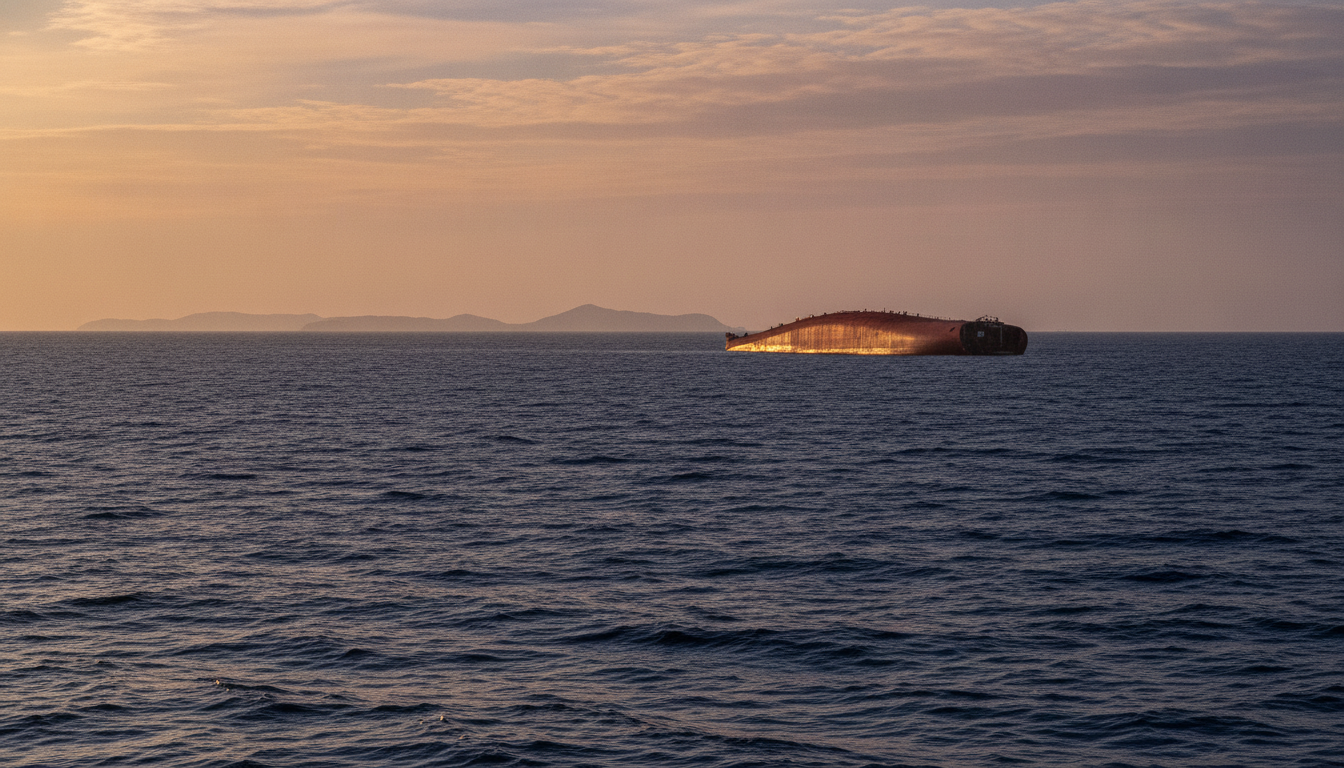
According to Espreso.tv: On June 6, 2023, Russian forces destroyed the Kakhovka Dam, triggering an environmental catastrophe, devastating the local ecosystem, and causing numerous casualties. The dam had been under Russian control since the first day of the full-scale invasion. The reservoir, originally built between 1952 and 1955, drained completely over the course of roughly two weeks, severely altering the region's climate and water supply.
In the aftermath of the explosion, over 1.5 million people lost access to running water. The former reservoir bed is now dominated by willow and poplar forests, a protected habitat across Europe. President Volodymyr Zelenskyy estimated that restoring the Kakhovka Reservoir would require €2 billion. Meanwhile, conditions continue to deteriorate: in 2025 alone, more than 500 reports of crop failure were recorded on the right bank of the Dnipro River.
Environmental Consequences and Expert Opinions
The ecological fallout from the dam's destruction has alarmed specialists. Ivan Moisiienko observed:
“As of today, about 75% of the reservoir’s former area is covered in vegetation.” - Ivan Moisiienko
Yurii Kiriak highlighted the disruption to the broader ecosystem:
“This is an oasis. But when you have a desert spanning hundreds of thousands of square kilometers, a small oasis of just 2,000 km2 is not a good thing.” - Yurii Kiriak
Ivan Moisiienko also offered a more optimistic take, stating: “Everything is unfolding according to the ideal scenario—it simply couldn’t be better.”
The Kakhovka Dam and its reservoir have come to symbolize an environmental disaster affecting not only local residents but the entire region. Recovering the lost resources and ecosystems will demand substantial effort and financial investment, which may be hard to secure amid the ongoing war.
The destruction of the Kakhovka Dam carries profound implications for both Ukraine’s environment and its socioeconomic stability. The loss of water for over 1.5 million people poses serious health and livelihood risks, as well as threats to agriculture, which has already suffered significant losses. With the war still ongoing, rebuilding infrastructure and restoring the ecosystem presents an additional challenge for the country—one that will require international support and funding.
Read also
- Peace Appeal From Kazakh Leader During Putin Meeting
- Over 1,000 Drone Strikes Carried Out as Zelenskyy Announces Completion of Long-Range Strike Plan
- Zelensky and Top Military Command Outline Response Plan to Russian Strikes
- EU Adopts 21st Sanctions Package Against Russia: What the New Restrictions Target
- Deadly Strikes Hit Kyiv Region and Sloviansk: 11 Killed, Dozens Wounded
- Ukrainian Forces Strike Kirov’s Avitek Plant: Key Military Components Under Sanctions