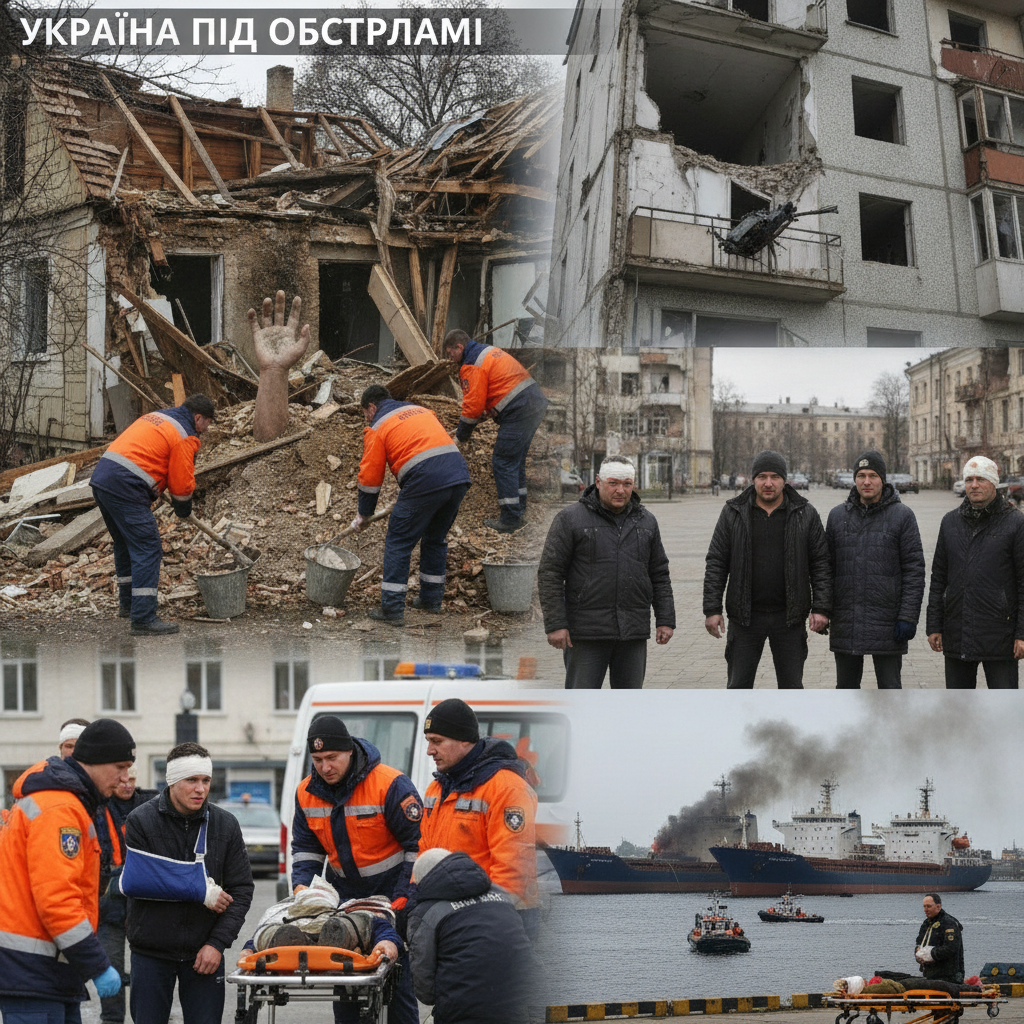
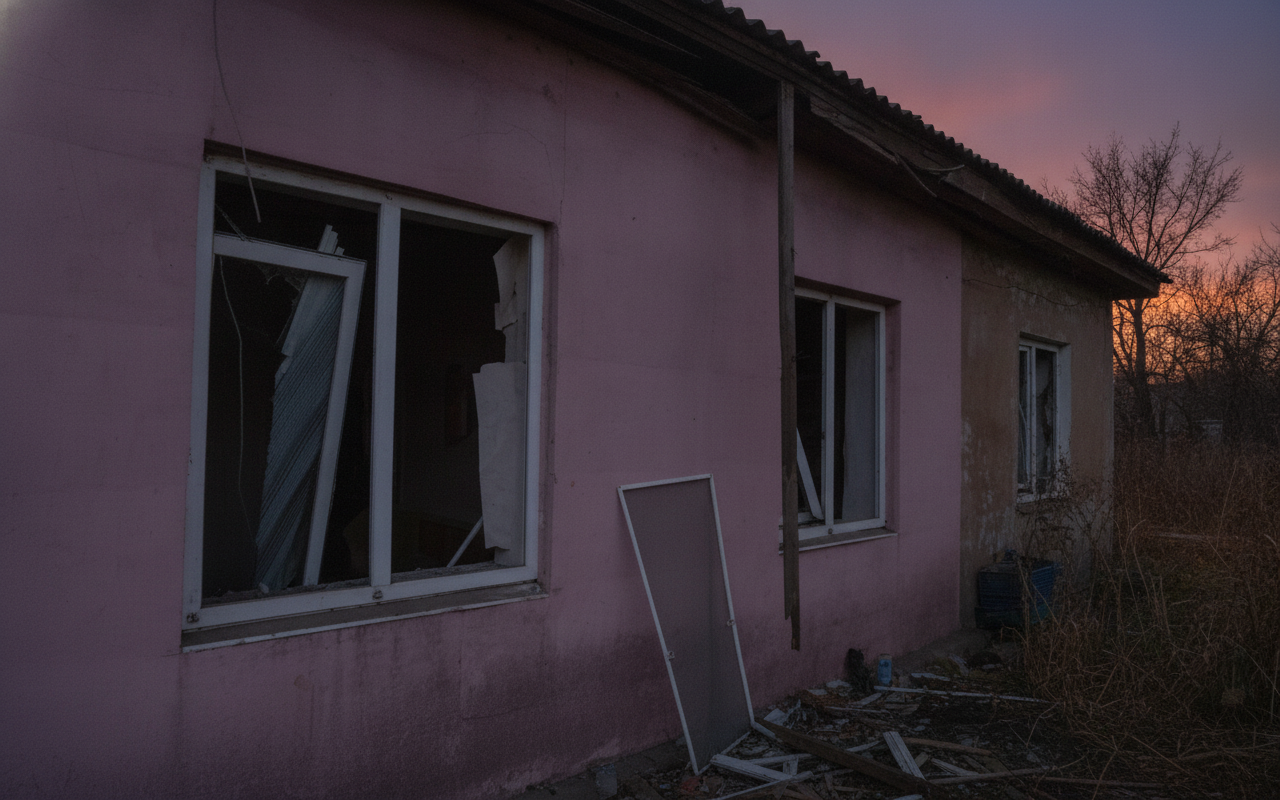
Odesa's Water Supply at Risk from Oil Pollution Following Russian Strike on Dnister River.

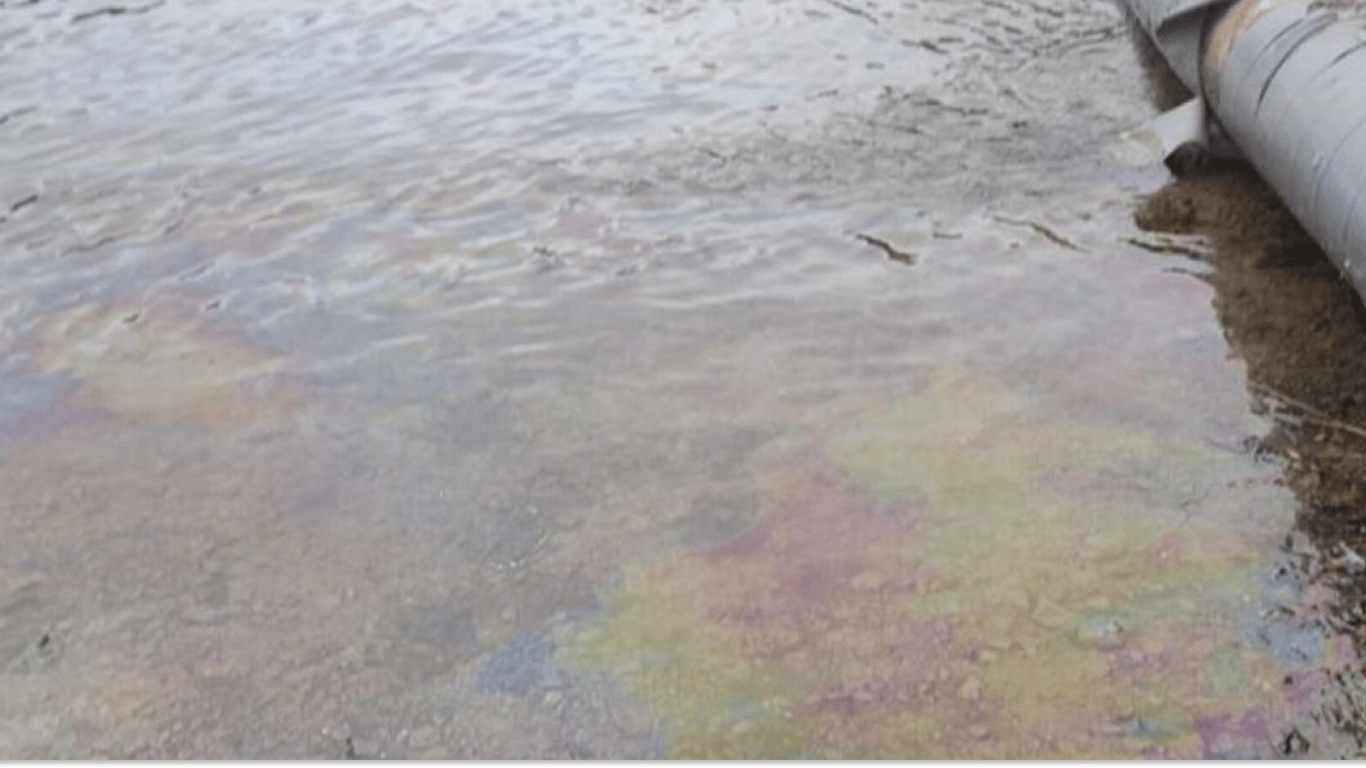
Technical Oils Contaminate Dnister River Waters
According to Novyny.live: Following a combined missile and drone attack by the Russian Federation, contamination from technical oils has been detected in the Dnister River, threatening the water supply for the city of Odesa. The pollution was first identified on March 10, 2026, near the village of Liadova in the Vinnytsia region, resulting from a fuel leak after a strike that occurred on March 7. This incident highlights the often-overlooked environmental toll of the ongoing war in Ukraine.
According to reports, the oil slicks were found in the Dnister near Liadova village, part of the Yaryshiv community in the Mohyliv-Podilskyi district. The attack targeted energy infrastructure near the Dnister Hydroelectric Power Plant. Traces of contamination have also been observed near the village of Naslavcea in Moldova. The concentration of pollutants has been recorded at 2.5 times the permissible limit, measuring 0.127 mg/dm³ against a norm of 0.05 mg/dm³.
Response and Potential Consequences
Large oil slicks have been spotted in Mohyliv-Podilskyi as well. A thin, greasy film appeared on the water near the village of Kozliv, while pollution near the village of Nahoriany had a characteristic 'rainbow' sheen and a smell of fuel. Additional contamination has been recorded in the Dnister Estuary.
An emergency meeting of the Dnister Commission was held on March 12 to discuss further actions regarding the water pollution. The situation has caused significant concern among local residents, as the contamination could negatively impact the quality of drinking water supplied to Odesa. The Dnister River is a critical water source for millions in southwestern Ukraine and Moldova.
The contamination of the Dnister River with technical oils due to military actions underscores the severe environmental consequences of the conflict, which may have long-term effects on the ecosystem and public health.
Authorities are already considering measures to monitor and purify the water to prevent potential risks to Odesa's water intake. This situation also emphasizes the urgent need to protect vital natural resources during armed conflict.
Read also
- One Woman Dead, 29 Injured After Driver Rams Into Crowd at Berlin Pride Celebration
- By July 26, the Last Surviving Gas Station on the Kharkiv–Kyiv Highway Was Destroyed – Now Every Station Along the Route Is Gone
- 123 Drones Shot Down, Six Regions Hit: Russia's Overnight Attack Leaves Dead and Injured
- Eleven Dead in Russian Missile Attack on Military Range Near Kyiv—Maltese Diplomat Among Victims
- Seven injured, one in critical condition after Russian aerial bomb strike on Zaporizhzhia
- July 27 Attack on Kherson: Three Civilians Injured, Two in Critical Condition from Russian Shelling