Poland Set to Introduce New Heat-Work Regulations: What Employees Need to Know.

Poland's Upcoming Workplace Heat Protection Rules
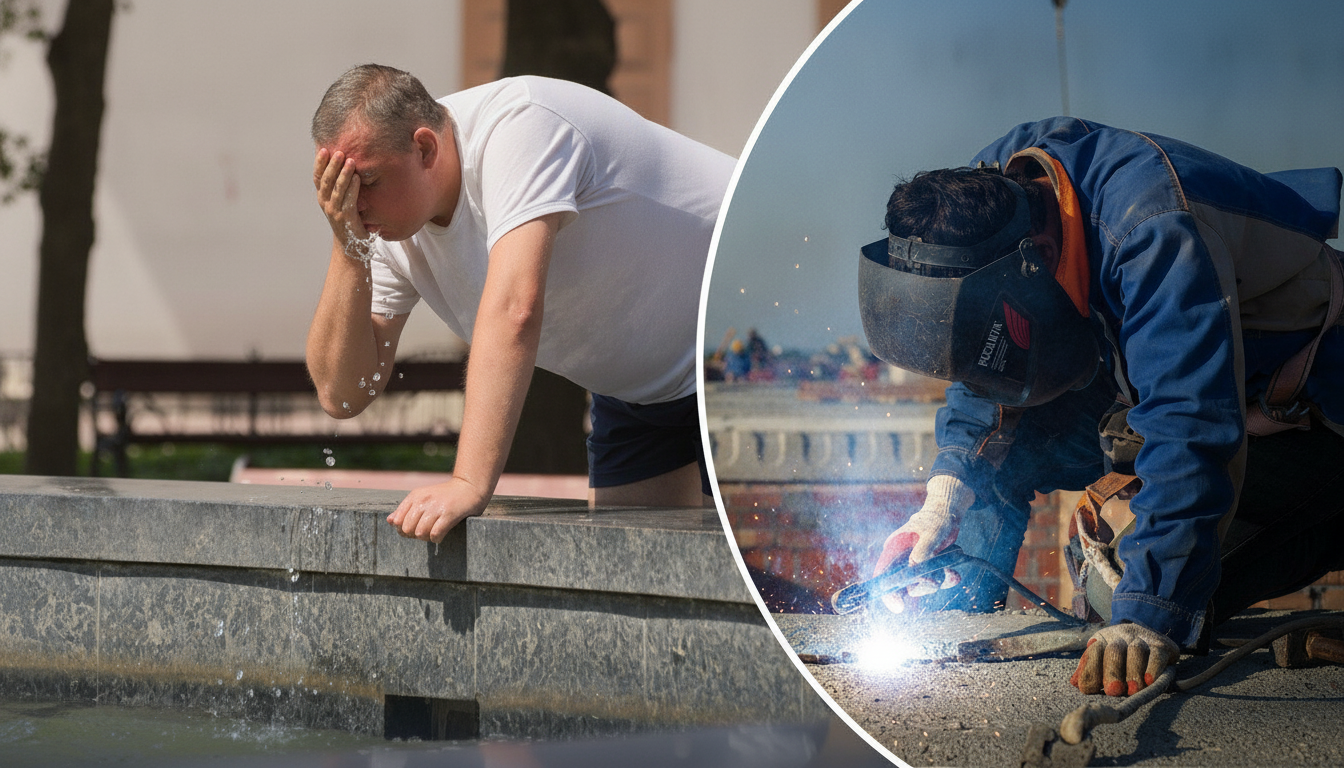
According to Novyny.live: Starting January 1, 2027, Poland plans to enforce new regulations designed to shield workers from extreme heat. These proposed standards set specific temperature limits for both indoor and outdoor environments, aiming to create safer working conditions.
Under the new framework, indoor temperatures must not exceed 28°C, and for heavy physical labor, the cap is 25°C. If the mercury hits 35°C or higher, employers are required to halt all work activities to protect employee health. For outdoor tasks, a maximum of 32°C is allowed when the work involves high or very high physical strain.
Labor Law Revisions and Their Impact
Alongside temperature rules, Polish authorities are also considering changes to work schedules and arrangements, including:
- adjusted shift schedules
- extra break periods
- remote work options
- shortened workdays
- rotating shift systems
These measures are intended to minimize heat-related stress on employees. Key improvements to workplace conditions will include sun protection, air conditioning, and enhanced ventilation systems.
Notably, from July 8, 2026, Poland's Labor Inspection agency will have the authority to forcibly convert civil-law contracts into standard employment contracts. This change could significantly strengthen worker rights as new environmental standards take effect.
By 2027, Poland's minimum wage is projected to reach 4,986 PLN gross per month, further shaping the economic landscape for workers. The combination of heat-related workplace rules and labor law reforms promises to enhance working conditions and safeguard employee health during hot weather.
Poland's adoption of these standards highlights a growing commitment to workplace safety, especially as global climate change drives rising temperatures.
These developments represent a major step in protecting workers' rights and well-being, as thermal conditions can heavily influence productivity and health across various industries. Additionally, the legislative changes may encourage employers to adopt new technologies and practices that foster more comfortable work environments.
Read also
- Over 10,000 Heat-Related Deaths Recorded in Europe Within a Single Week: Who Is Most at Risk
- Thousands of Ukrainians Have Lost Limbs in the War: Stories of Recovery and Prosthetics
- Animal Rescue Volunteer Dies on Bridge in Druzhkivka: She Stayed Behind for Her Husband
- Cultural Resistance in Wartime: The Band 'Pie and Whip' on Their Viral Hit 'The Groves Are Rustling' and Serving in Ukraine's Armed Forces
- A YouTube channel breathes life into century-old photos of Poltava
- Polish Ambassador Honors Victims of the Volyn Tragedy in Olyka: Shared Remembrance Without Hatred