Poland restored the UPA monument on Mount Monastyr: why there are no names.


According to inkorr.com: The issue of Ukrainian burials in Poland is an important topic that causes numerous controversies in interstate relations. Part of the Polish population perceives the burial sites of UPA soldiers not only as monuments but also as symbols of a complex history.
Historian Lukasz Adamski noted that the grave on Mount Monastyr became a monument in honor of the UPA after the battle in 1945, where 62 UPA fighters died. In 2015, there was an act of vandalism that destroyed the cross and the plaque with the names of the fallen.
“I would wish for this grave to be restored in such a way that no Ukrainian would doubt the sincerity of Polish intentions – with a list of names and surnames,” emphasized Lukasz Adamski.
Although the Polish government restored the monument at the site of the battle, the list of the names of the soldiers that was destroyed is still missing.
Ambiguous perception of UPA symbolism in Poland
The symbolism of the UPA in Ukrainian graves evokes ambiguous reactions in Poland due to the tragic events in the history of both countries. Lukasz Adamski believes that Ukraine has the right to mention its sufferings caused by Polish pacification and other historical events.
“During the events in Volhynia, the Poles acted in response to the actions of the UPA. The UPA initiated ethnic cleansing, while the Polish side defended itself.”
Despite this, Adamski notes that among Polish historians, there are no significant discrepancies in the interpretation of the Volhynian tragedy.
The issue of Ukrainian burials in Poland remains controversial. Polish society views UPA graves as symbols of a complex past, and although the monuments have been reconstructed, the absence of a list of the buried soldiers' names continues to provoke discussion.
This situation reflects how memories of the past can become a source of tension in interstate relations. It is important for both sides to find ways to understand each other, as history impacts the present and shapes the future of our nations.
Read also
- Three Ukrainians Without Documents Rescued from Occupied Territories Under Bring Kids Back UA Initiative
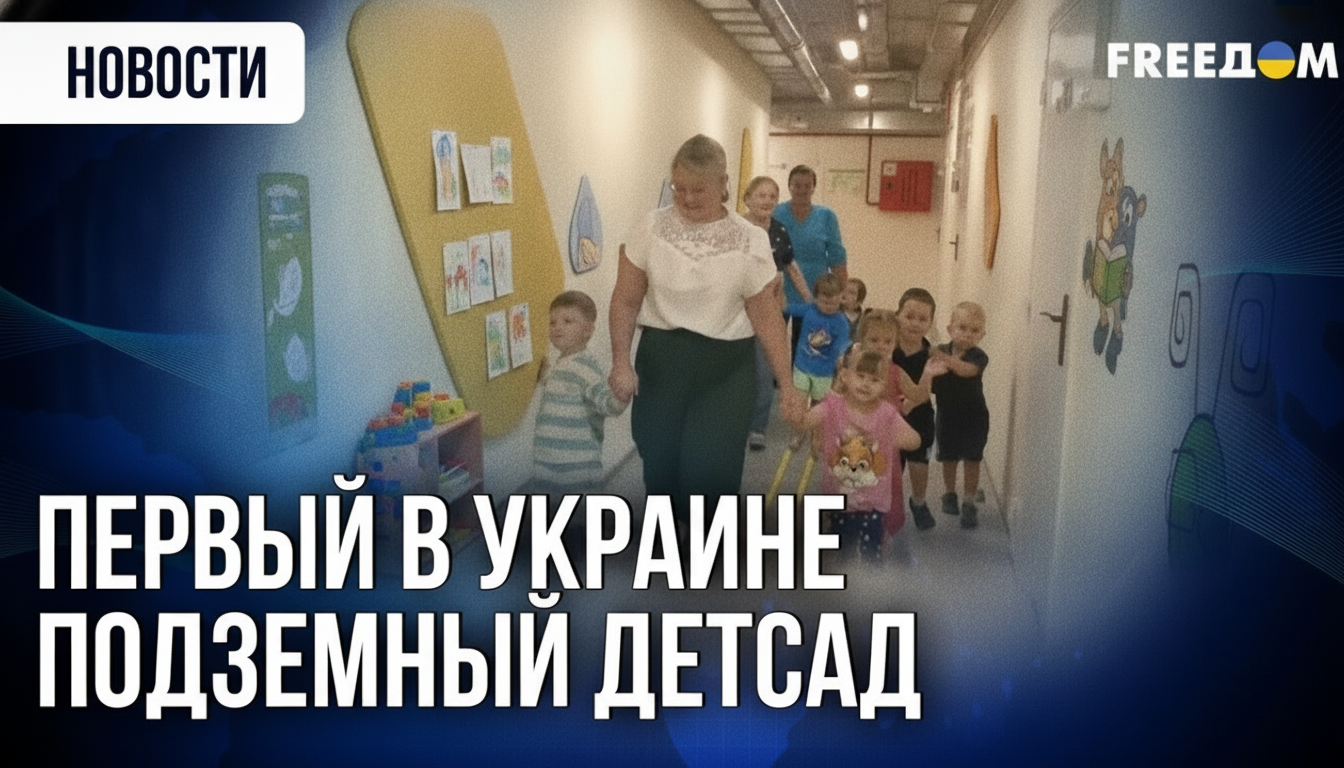
- Ukraine’s first underground kindergarten opens in Kharkiv, accommodating 260 children
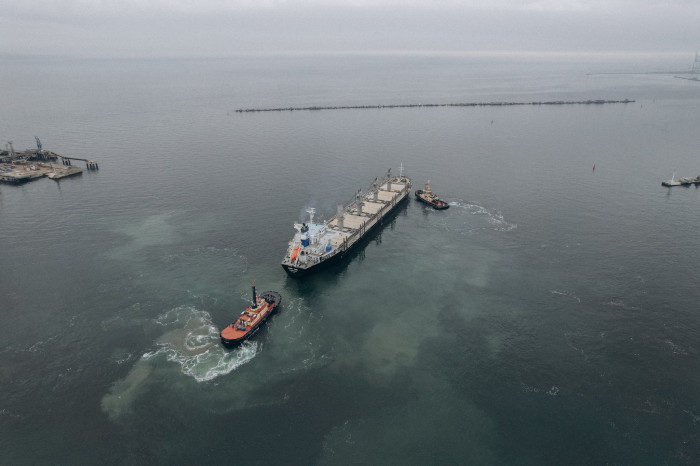
- Ukraine's ports crippled by Russian strikes: 28 vessels hit, 21 killed
- 24 Children Rescued from Occupied Territories by Save Ukraine, Including Injured 13-Year-Old Anhelina
- Woman Faces Up to 7.5 Years in Prison After Attacking Children for Speaking Ukrainian in Poland
- One of the Most Recognizable Voices on Ukrainian Radio, Journalist Oleksandr, Has Passed Away