







Advertising

Advertising
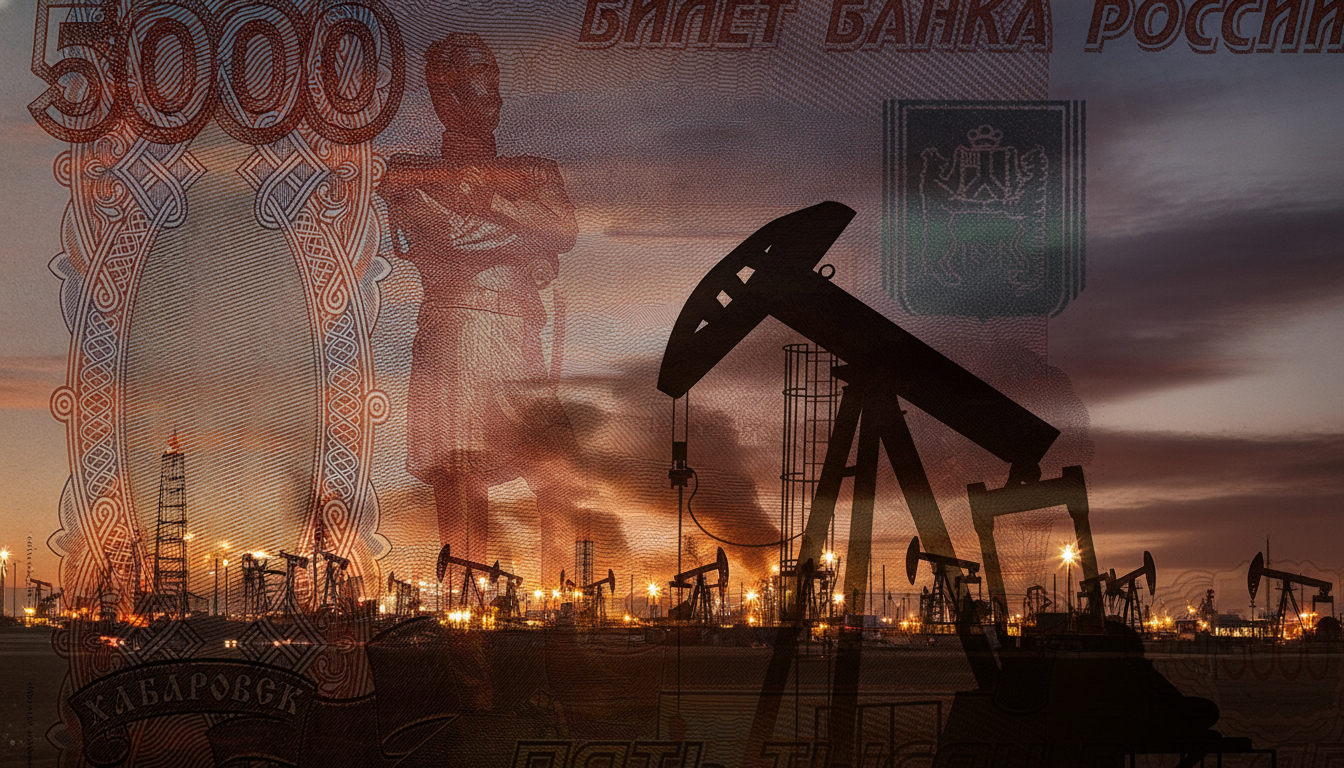
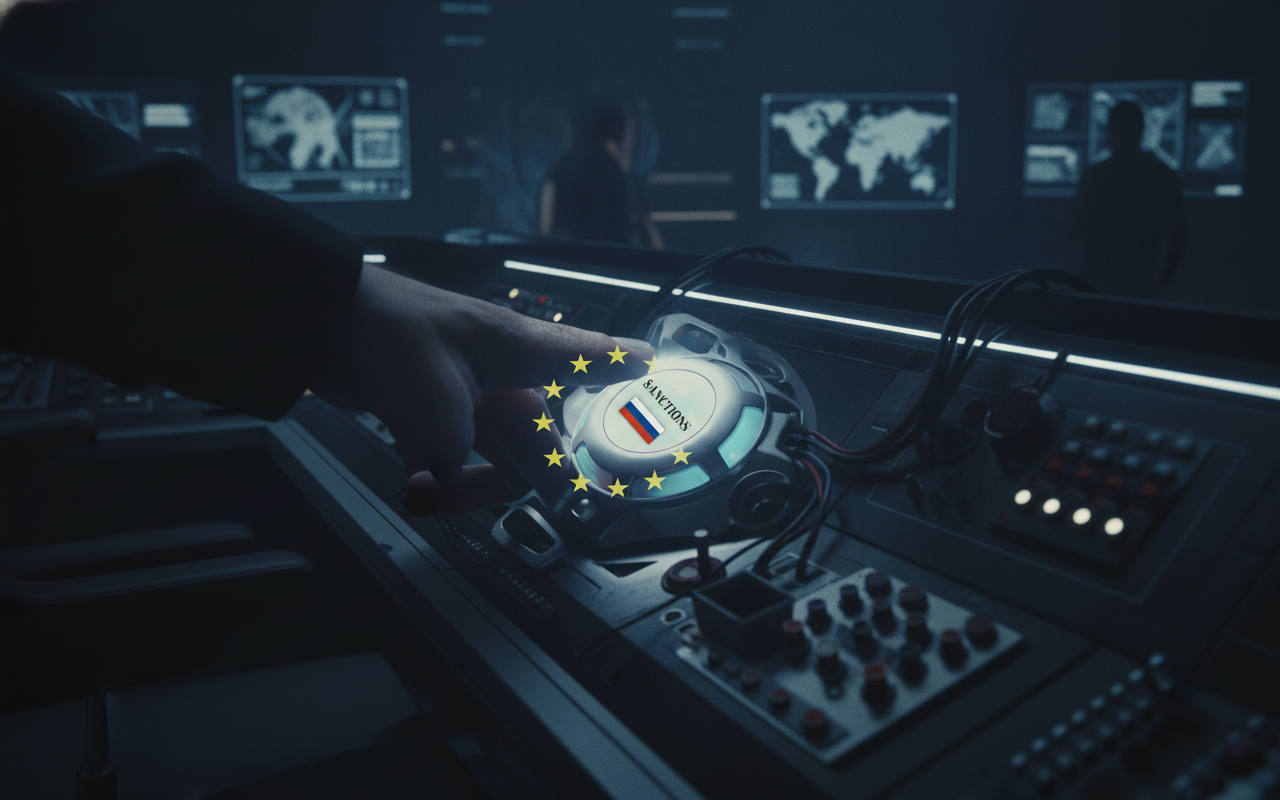
Russia’s Oil and Gas Revenue Set to Surge by 60%—Here’s What’s Driving the Jump
yesterday, 21:24
662

IMF Disburses $690 Million Second Tranche to Ukraine: Where the Funds Are Going
Ukraine Receives Second IMF Payment On July 23, Ukraine secured approximately $690 million as the second tranche of financing from the International Monetary Fund (IMF) under a new four-year cooperation program. This latest disbursement has already been credited to the state budget. The funds are e...
yesterday, 19:24
623
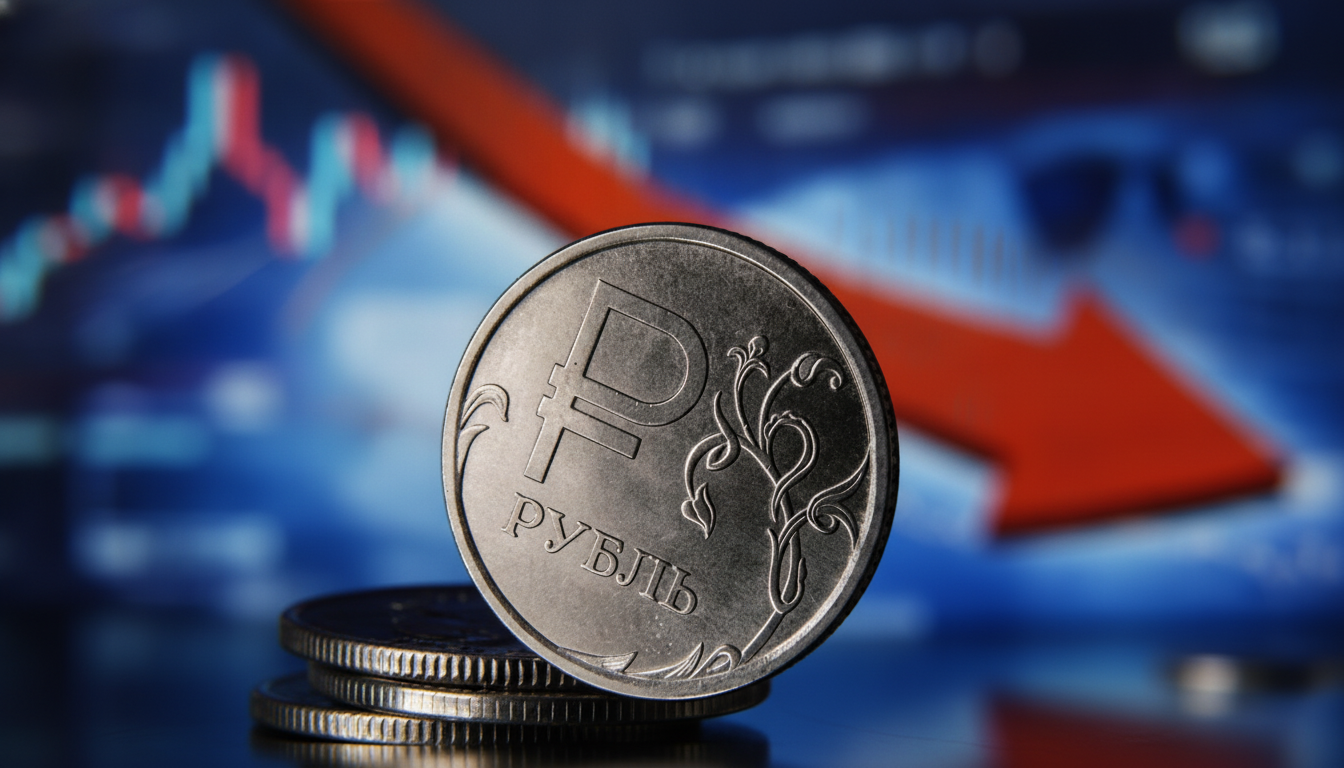
Russia’s Budget Deficit Could Hit 7 Trillion Rubles—What Are the Default Risks?
yesterday, 16:12
628
Horoscope
LIFESTYLE
Tourism





Tech
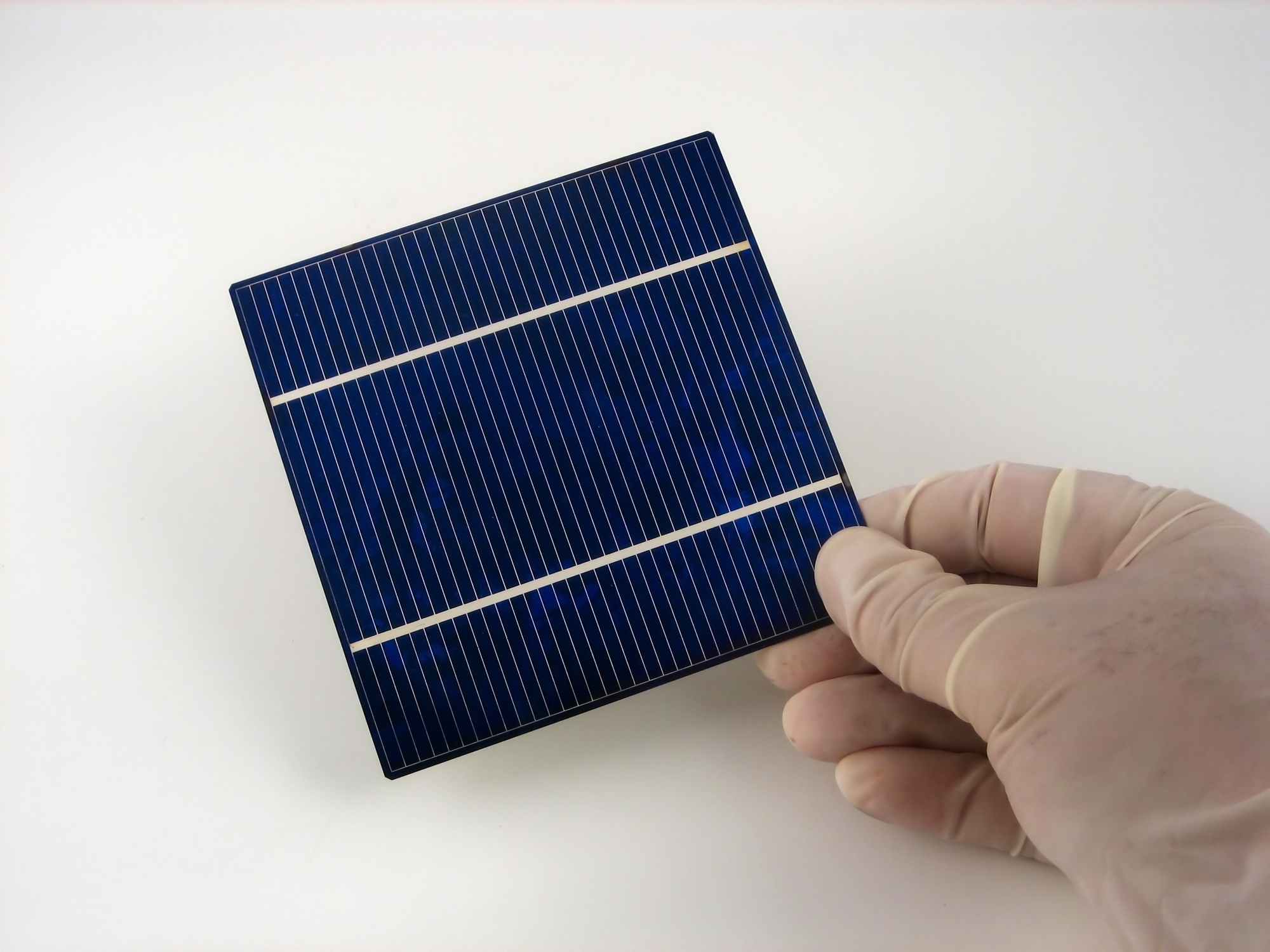

Antique Musket Balls Repurposed Into Solar Cells with 94% Efficiency
today, 16:30
305
South Korea Patents a Silent Engine for Air Taxis
today, 14:18
351


Society
Showbiz



The Best Heist Movies: A Top List of Captivating Crime Films
today, 18:06
154
Yevgen Kaporin, 40, Weds 22-Year-Old Sofia: An 18-Year Age Gap
today, 17:42
201

Sports