Ukrainian Soldiers Denied Loan Repayment Breaks by PrivatBank.

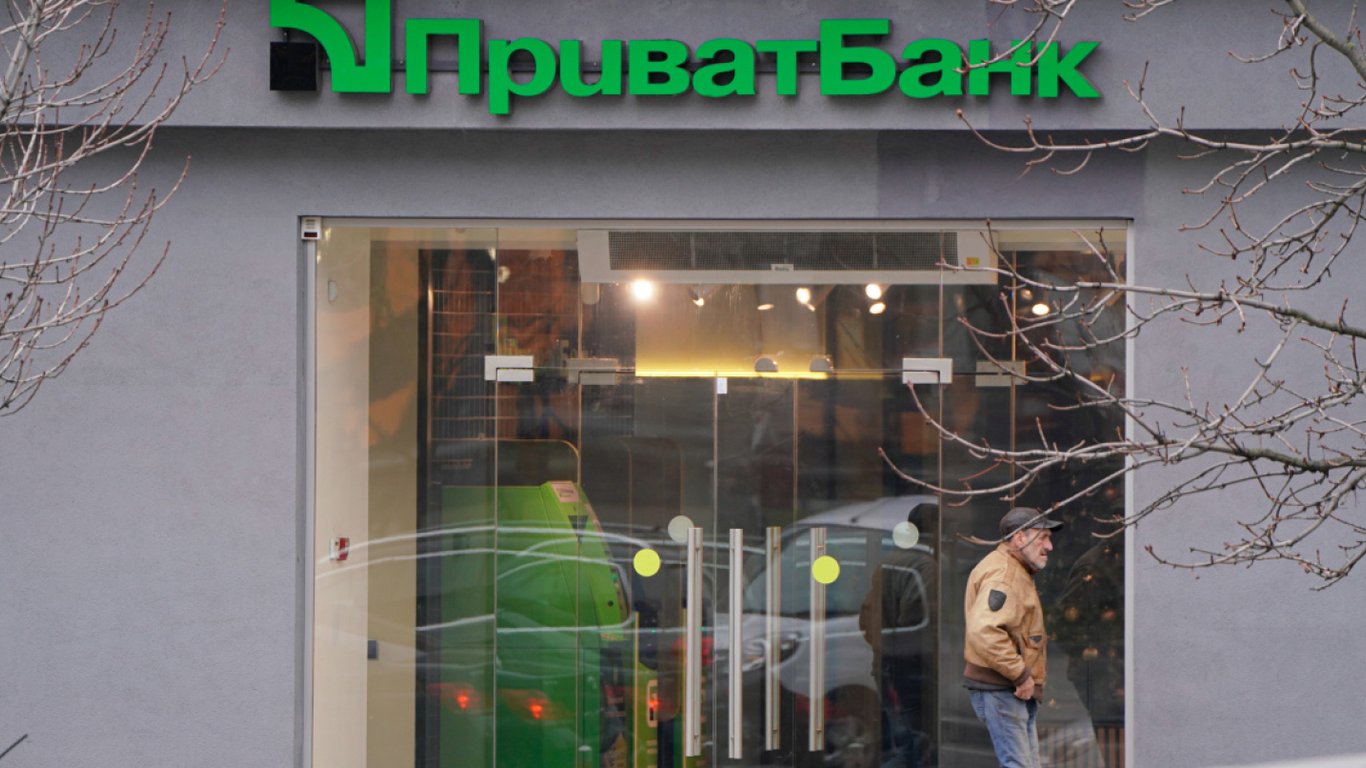
PrivatBank Refuses Loan Payment Deferrals for Military Personnel
According to Novyny.live: PrivatBank, a major state-owned Ukrainian bank, is reportedly denying loan repayment holidays to contract soldiers by demanding extra documentation of their combat involvement. This issue came to light after the wife of a Ukrainian Armed Forces service member attempted to secure such a deferral from the bank. In Ukraine, loan payment breaks are a crucial form of financial relief for active-duty military personnel.
According to the information, PrivatBank may refuse to grant the legally mandated payment deferrals or reductions, which are available without penalties to those serving in combat zones, on contract, or in volunteer units. The core problem lies in the additional paperwork the bank is demanding beyond what soldiers can easily provide.
Documentation Hurdles for Securing Payment Relief
When applying for the loan break, the bank insists on supplementary certificates, specifically citing internal Procedure No. 413. This creates significant obstacles for soldiers, who are required to submit:
- military ID,
- certificate of military service (Form 5),
- service contract,
- and an extract from the state register.
Observers conclude that this practice may constitute a severe and systematic violation by PrivatBank of current Ukrainian laws on the social and legal protection of military personnel and their families. It has raised serious concerns among troops who rely on this financial support while serving.
This situation underscores the critical importance of adhering to legal norms protecting soldiers' social welfare. Violations by banks can undermine the financial stability of service members, potentially affecting their morale during duty. In wartime conditions, ensuring reliable financial support for the military remains an urgent priority. Such incidents may prompt a review of bank policies toward soldiers or lead to legislative changes in this area.
Read also
- Three Ukrainians Without Documents Rescued from Occupied Territories Under Bring Kids Back UA Initiative
- Ukraine’s first underground kindergarten opens in Kharkiv, accommodating 260 children
- Ukraine's ports crippled by Russian strikes: 28 vessels hit, 21 killed
- 24 Children Rescued from Occupied Territories by Save Ukraine, Including Injured 13-Year-Old Anhelina
- Woman Faces Up to 7.5 Years in Prison After Attacking Children for Speaking Ukrainian in Poland
- One of the Most Recognizable Voices on Ukrainian Radio, Journalist Oleksandr, Has Passed Away