Philosophy Professor Quits After Being Told He Can’t Teach Plato: Inside the Controversy.

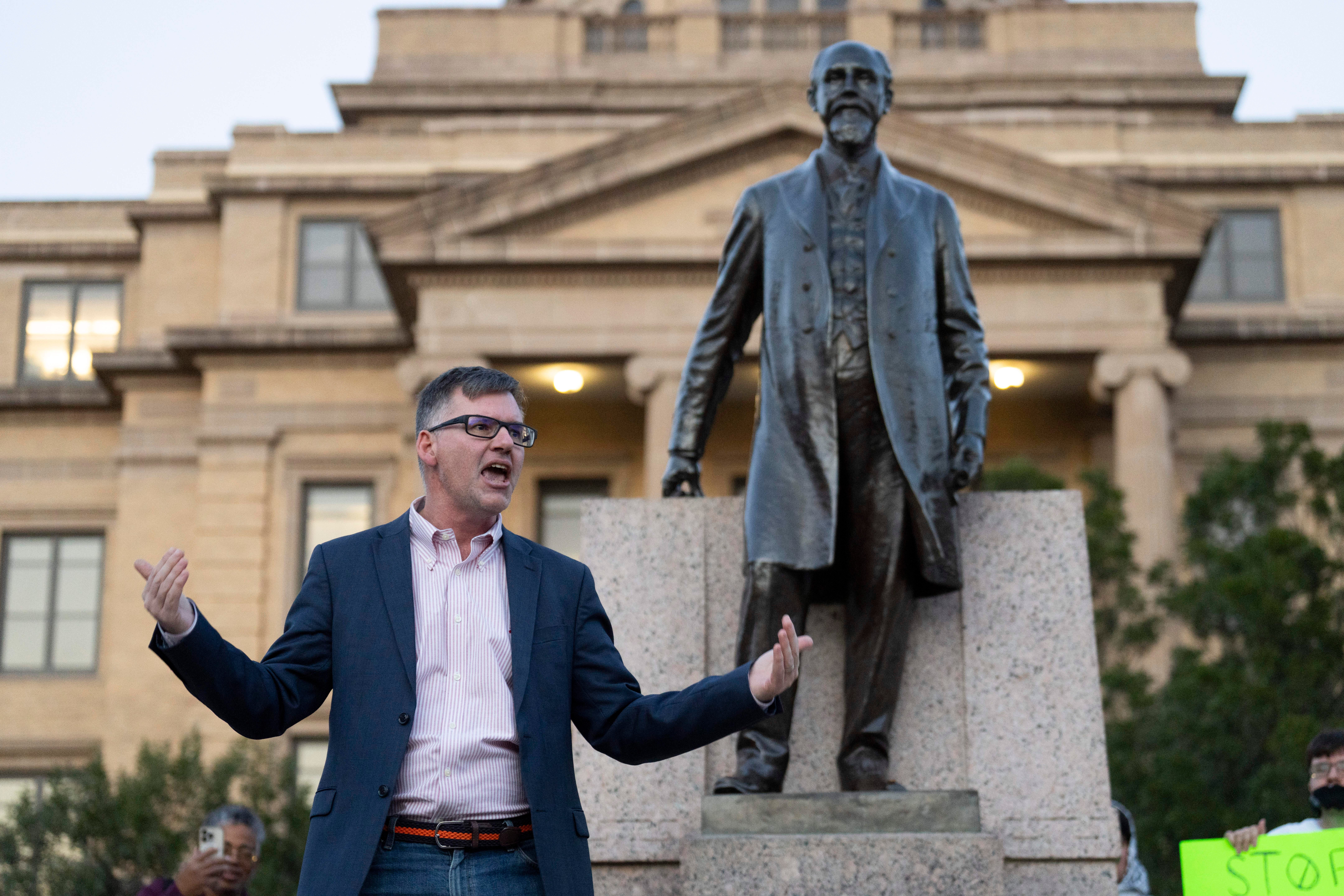
University of Texas A&M Removes Plato’s Works from Course Curriculum
According to Vox - Загальний: Martin Peterson, a philosophy professor at Texas A&M University, was forced to drop Plato’s writings from his course on contemporary moral issues after the institution enacted a new policy restricting discussions of race and gender. In January 2026, university officials informed Peterson that teaching Plato’s works was no longer permitted, prompting serious concerns on his part. By April 2026, Peterson had resigned from Texas A&M and accepted a position at Southern Methodist University.
New Policy and Its Fallout
The controversial policy at Texas A&M was approved in December 2025. It mandates that any course touching on race, gender, sexual orientation, or gender identity must receive special approval. In response to these changes, Martin Peterson voiced his frustration, stating:
“This is an outright violation of one of the core principles of academic freedom.” - Martin Peterson
He emphasized that “the university needs some protection from political influence” and added that “Plato is not part of the problem. Teaching Plato in a philosophy department should not raise any concerns.”
Tensions at Texas A&M escalated further after Texas Governor Greg Abbott called for the dismissal of lecturer Melissa McCoul, who had taught children’s literature from a gender perspective. These developments have sparked widespread debate about academic freedom and the impact of political decisions on university instruction.
This incident at Texas A&M highlights the growing friction between academic freedom and political pressures shaping education today. Martin Peterson’s resignation may serve as a warning to other faculty members about the potential consequences of defending their scholarly views. As this situation unfolds, the university’s next steps and public reactions will be closely watched, as they could reshape the landscape of higher education in the United States.
Read also
- Zelensky’s Addresses Set Records: Mobilization and Demobilization Deepen Societal Rifts
- Over 150 Attendees Gather at Aspen Institute in Chernivtsi: How War Reshapes Social Cohesion
- Prosthetic Mannequins Debut in Ukraine: A Bold Statement on Inclusion
- OSCE Records 20,610 Deported Ukrainian Children in Report on Russian Crimes
- Two million for the shelter: LEROY MERLIN equips a safe hiding place in Fastiv Hospital
- Russian Forces Refuse to Evacuate Children from Kreminna, Using Them as Human Shields