Language Policy Clash: Odesa Professor Fired for Using Russian in Class.

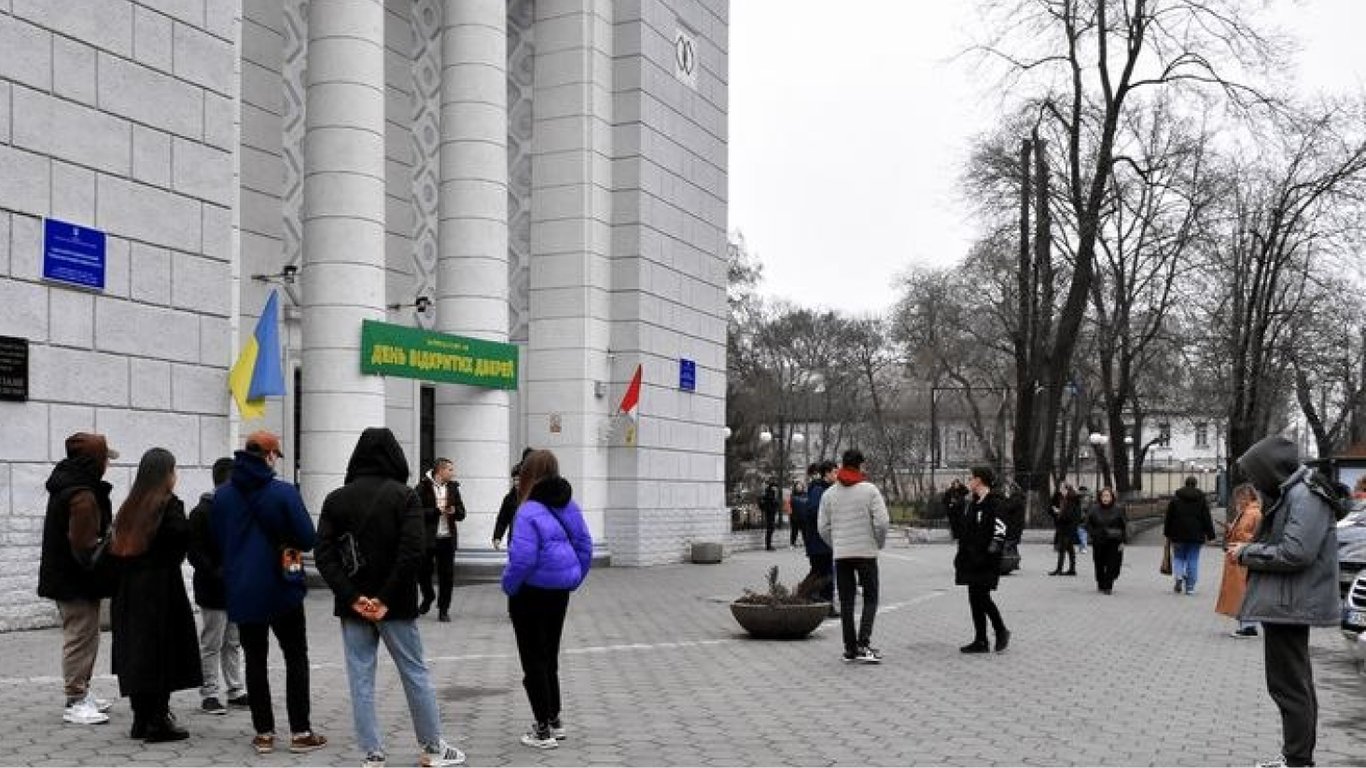
Professor Dismissed Over Russian Language Use in Lectures
According to Novyny.live: A professor at Odesa National University of Technology was terminated after a student complained about the use of Russian during classes. The incident has sparked widespread debate on social media platforms. The student’s complaint included copies of exam papers written in Russian, which served as evidence. An internal university investigation confirmed violations of language regulations, leading to the dismissal.
Under Ukrainian law, the official language of instruction in educational institutions is Ukrainian. This legal requirement formed the basis for the university administration’s decision against the professor. Reactions on social media have been mixed, with some defending the professor while others stressed the necessity of adhering to the country’s language laws. This case highlights ongoing tensions in Ukraine over language use in academia.
One commenter remarked: 'How can you call someone a professor if they couldn’t even prepare exam papers in Ukrainian? If they haven’t learned the language after all these years, that’s a problem.'
This perspective underscores the social friction surrounding language policy in Ukraine, a topic that remains highly relevant. The professor’s dismissal serves as a vivid example of the conflict between personal convictions and national legal requirements. As language issues continue to be a key aspect of Ukraine’s educational system, discussions around this case are likely to persist.
The Importance of Upholding Language Standards
This event underscores that enforcing language norms in schools and universities is a critical component of Ukraine’s educational policy, especially in the context of preserving cultural identity. In modern Ukraine, where language debates frequently dominate public discourse, this professor’s case may prompt deeper examination of language policies in education and their impact on students. Social media has become a key arena for such discussions, reflecting the public’s active role in shaping the country’s language landscape.
Read also
- Three Ukrainians Without Documents Rescued from Occupied Territories Under Bring Kids Back UA Initiative
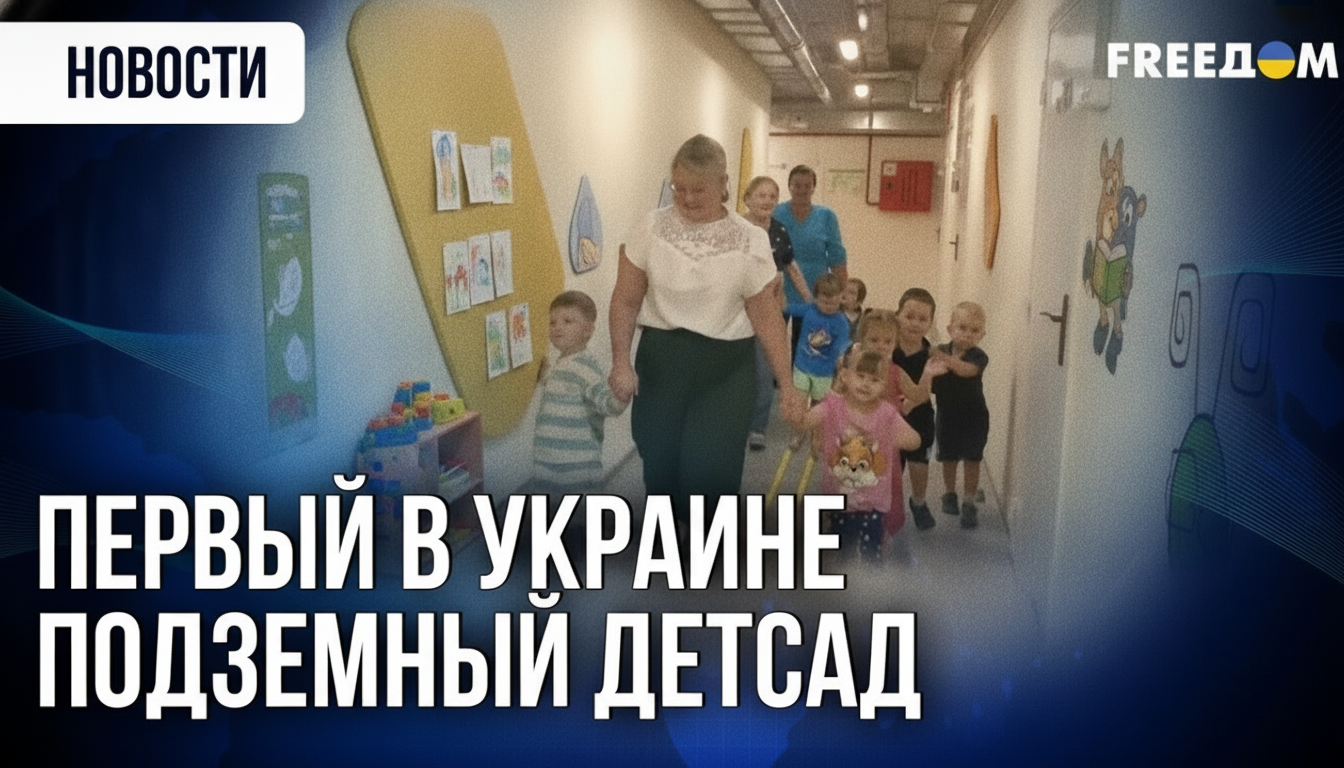
- Ukraine’s first underground kindergarten opens in Kharkiv, accommodating 260 children
- Ukraine's ports crippled by Russian strikes: 28 vessels hit, 21 killed
- 24 Children Rescued from Occupied Territories by Save Ukraine, Including Injured 13-Year-Old Anhelina
- Woman Faces Up to 7.5 Years in Prison After Attacking Children for Speaking Ukrainian in Poland
- One of the Most Recognizable Voices on Ukrainian Radio, Journalist Oleksandr, Has Passed Away