Purim 2026: Dates and Traditions of the Jewish Festival of Deliverance.

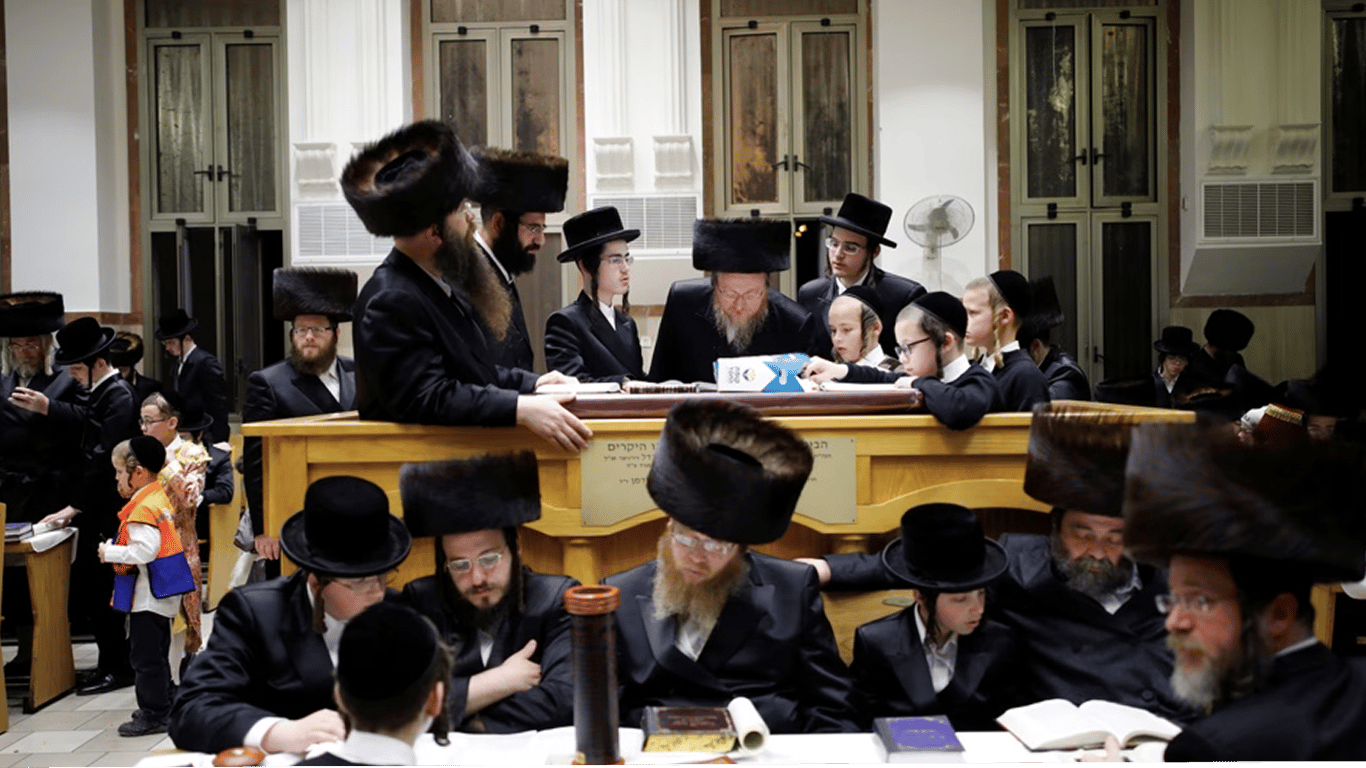
The Festival of Purim
According to Novyny.live: On March 2, the Jewish people celebrate Purim, a holiday commemorating their salvation from annihilation in the Persian Empire over 2,400 years ago. Observed on the 14th day of the Hebrew month of Adar, Purim in 2026 begins at sundown on March 2 and continues through March 3. It is important to note that Jerusalem observes Shushan Purim one day later, on March 4.
The History of the Holiday
The holiday's origins are linked to King Artaxerxes I, also known as Ahasuerus, who ruled during the events that led to the Purim celebration. During his reign, Haman, one of the king's advisors, issued a decree to destroy all Jews across the empire. However, through the courage of Mordecai and his niece Esther, the Jewish people were saved from destruction. Esther declared a three-day fast before appealing to the king, a decisive act in the struggle to save her people.
How is Purim celebrated? The festive meal is typically elaborate, featuring meat dishes, wine, and sweets. A key symbol of the holiday is the triangular pastry known as hamantaschen, traditionally baked and eaten during Purim. The celebration also includes joyful carnival-like events, costumes, and the exchange of gifts.
Following Purim, Jewish communities begin preparing for Passover, which will start on the evening of April 2, 2026, and last until the evening of April 9. Purim and Passover are major events in the Jewish calendar, observed with deep tradition and significance. These holidays are part of a continuous cycle of remembrance and celebration in Jewish life.
Purim is a vital part of Jewish cultural heritage, as it not only commemorates historical events but also underscores the importance of unity and resilience.
The preparation for Passover, which occurs shortly after Purim, demonstrates how Jewish tradition values the memory of past events and their impact on the present. These festivals serve as powerful reminders of the importance of identity and culture for the Jewish people.
Read also
- War Transformed Her Life: Donetsk Teacher Creates Ukraine’s Largest Embroidered Shirt
- Kids Pick a Backpack in Seconds: What School Bags Must Offer in 2026
- Why Displaced Residents of Mariupol Face Barriers to Housing Compensation
- Kyiv Electric Train Prices Increase from July 22: Fare Will Rise to 37 Hryvnias
- Russia Fines Residents for Storing Gasoline in Garages Amid Fuel Shortages
- Why Internally Displaced People in Ukraine Can't Get Mortgages: A Key Obstacle Identified