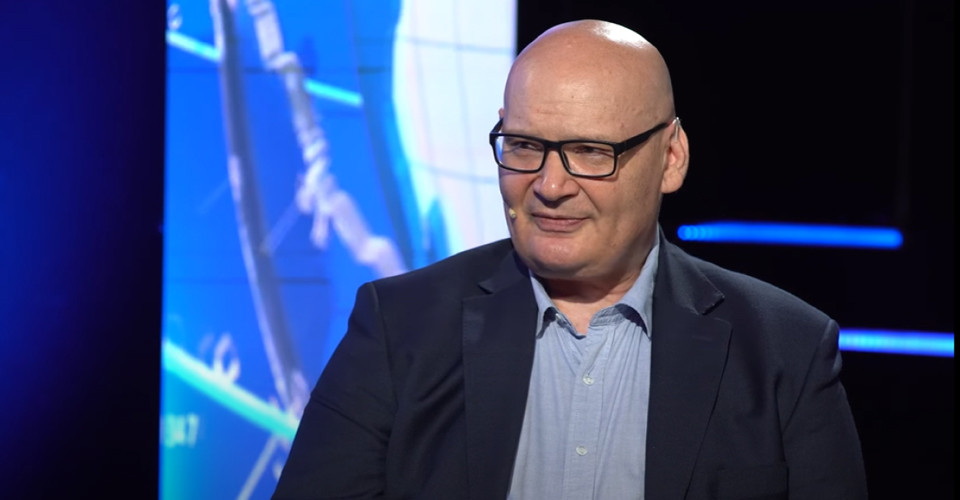
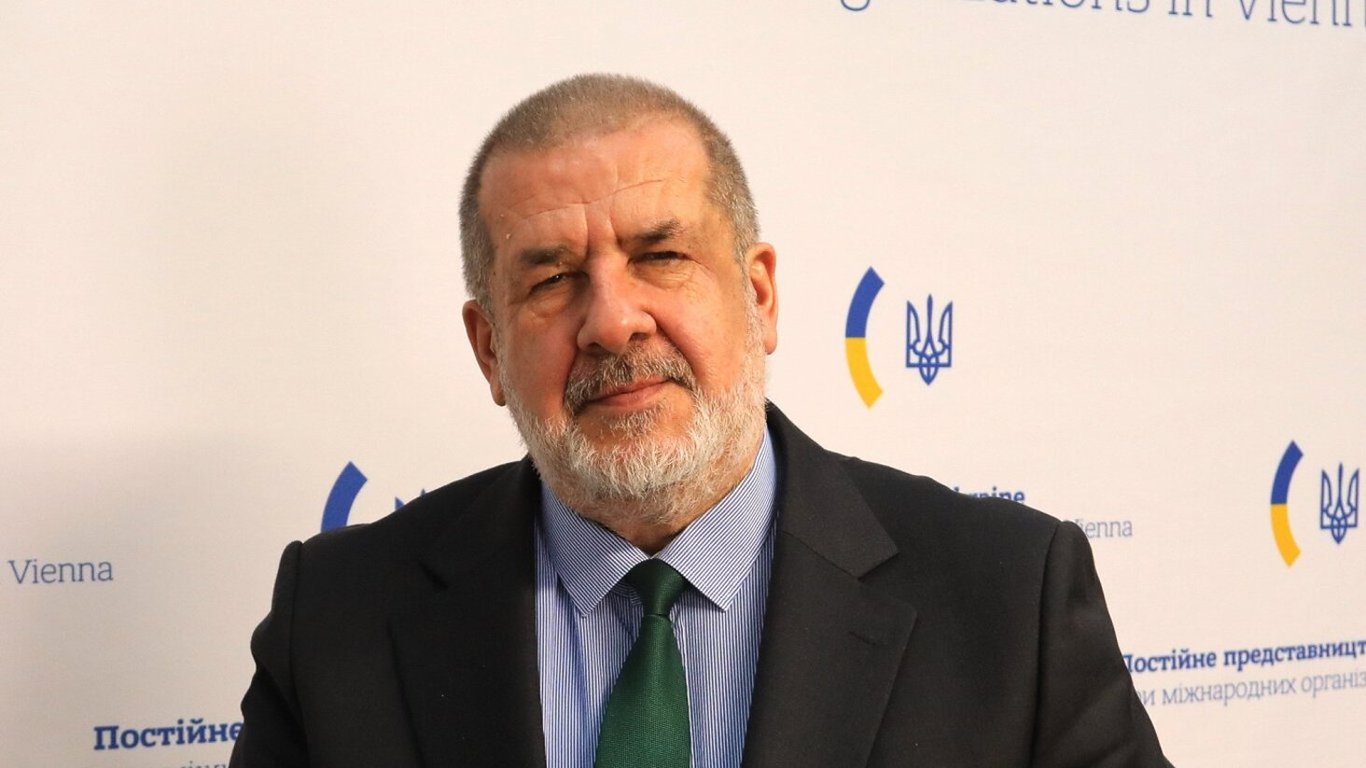
EU and Britain prepare new sanctions against Russia for Putin's refusal to negotiate.

Putin refuses to negotiate with Zelensky: what analysts say
If Putin refuses to participate in negotiations with the President of Ukraine, Britain and the European Union will impose additional sanctions against Russia, reports The Telegraph citing sources in the British government. The Russian dictator is not ready to meet with Volodymyr Zelensky either now or in the future, writes CNN. Experts believe that the Kremlin will continue to buy time and terrorize the peaceful population of Ukraine. What could force Putin to sit at the negotiating table is discussed by FREEДOM.
On Monday, August 18, Donald Trump announced that he was starting preparations for a summit between the president of Ukraine and the head of the Kremlin. In a phone conversation with the US president, Putin agreed to meet with Volodymyr Zelensky, confirmed the White House.
'Well, listen, the president [Trump] talked about this with both leaders, and both leaders expressed their readiness to sit at the negotiating table. So our national security team will help both sides with this. Ultimately, the president has always said that there are disagreements in this war that these two countries need to discuss and resolve. And that’s why he wants them to engage in direct diplomacy,' said White House press secretary Caroline Livitt.
Just a few days later, the Kremlin made it clear that it was not ready for dialogue. Russian Foreign Minister Sergey Lavrov stated that although Moscow does not refuse either a bilateral or a trilateral format, 'any contacts involving senior officials must be prepared with utmost care.' And Putin's assistant Ushakov limited himself to suggesting that the level of representation of the Russian delegation could be raised.
'Russia may try to keep the US on its side by proposing a new round of negotiations in Istanbul, but already with a high-level delegation, possibly including Ushakov himself and Foreign Minister Lavrov. However, Putin will not risk falling into a 'trap' by sitting at the negotiating table with Zelensky without assurance that all his demands will not be rejected,' noted a senior research fellow at the Carnegie Eurasia Center in Russia in an interview with CNN.
European leaders support Washington's peace initiatives but do not believe in Russia's willingness to stop the war against Ukraine. Therefore, on August 29-30 in Copenhagen, at an informal meeting of the EU foreign ministers, the 19th package of sanctions against Russia will be discussed.
'Russia must immediately stop the violence. Our priority should be to stop the killings. Whether we call it a ceasefire or a truce is secondary. What is important is that we will continue to apply pressure through sanctions if Russia does not adhere to them. It is more important than ever to maintain strong pressure on Russia,' said President of the European Council Antonio Costa.
Britain and the European Union are preparing new restrictions against Russia, which will be imposed if Putin refuses to participate in negotiations with the president of Ukraine, writes The Telegraph citing a source in the British government.
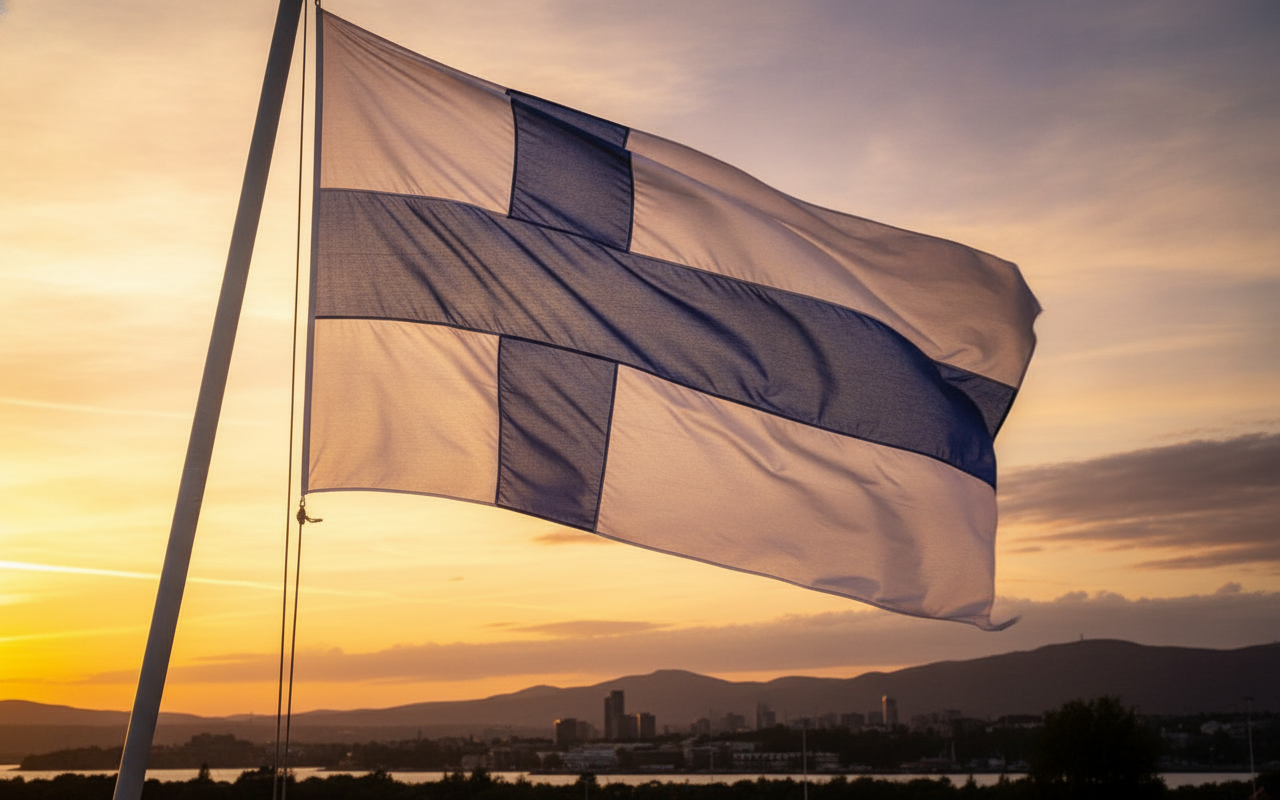
'We must remember: Putin is rarely trustworthy. Therefore, it remains to be seen whether he has the courage to come to such a meeting. Will he have the courage to participate in a trilateral meeting, or will he again drag his feet? Of course, if he continues to stall, we will seek new solutions together,' said Finnish President Alexander Stubb.
Despite Putin's statements about some desire to end the war against Ukraine, the Russian army continues to shell Ukrainian cities. Under massive bombardment are Kharkiv, Sumy, Zaporizhzhia, Odesa, Kremenchuk, and Akhtyrka.
'There is one language that Putin understands – pressure, a combination of military and economic pressure. So this means that, in a sense, the participation of Americans plays a key role. It is crucial for secondary sanctions to remain on the agenda,' believes Moritz Weiss, a professor at the Ludwig Maximilian University of Munich.
To put pressure on Russia to agree to a ceasefire before negotiations at the heads of state level, called for by European leaders, is German Chancellor Friedrich Merz. To tighten sanctions if Putin does not take steps towards achieving peace is also demanded by French President Emmanuel Macron.
'President Trump believes in his ability to reach an agreement, and he also believes that Putin wants such a peaceful agreement. I welcome this and want to believe in it after the meetings that took place. But if this process is rejected, we all agree that sanctions will have to be tightened, and in any case, pressure on the Russian side will have to be increased to bring them back to the negotiating table,' noted French President Emmanuel Macron.
There are no signs that Russia seeks peace, experts believe. Therefore, pressure on Russia from the US and Europe is a prerequisite for real peace negotiations.
Conclusion: Putin has refused to negotiate with Zelensky, which may lead to the imposition of new sanctions against Russia. According to analysts, European leaders are preparing to intensify pressure on the Kremlin, which continues the war against Ukraine. The alarming situation in the region is planned to be discussed at the meeting of the EU foreign ministers in Copenhagen at the beginning of September.
Read also
- Ukraine Could Destroy Belarusian Refineries, Says Former Ambassador, Highlighting Strategic Impact
- Strikes on Refineries and New Sanctions: Tsakhkna Identifies Russia’s Critical Breaking Point
- NATO to Announce €70 Billion Aid Package for Ukraine: Ankara Summit Details
- Iran Breaks Ceasefire with Drone Strikes in Strait of Hormuz; U.S. Forces Retaliate
- Trump Labels Downing of Three US Drones a Ceasefire Violation with Iran
- Fuel Shortages and Strikes on Moscow: How Ukraine’s Attacks Are Costing Russia $7 Billion