Shoygu's ex-spokesman reveals the truth about the Russian Geographical Society: all efforts were just PR for the minister.

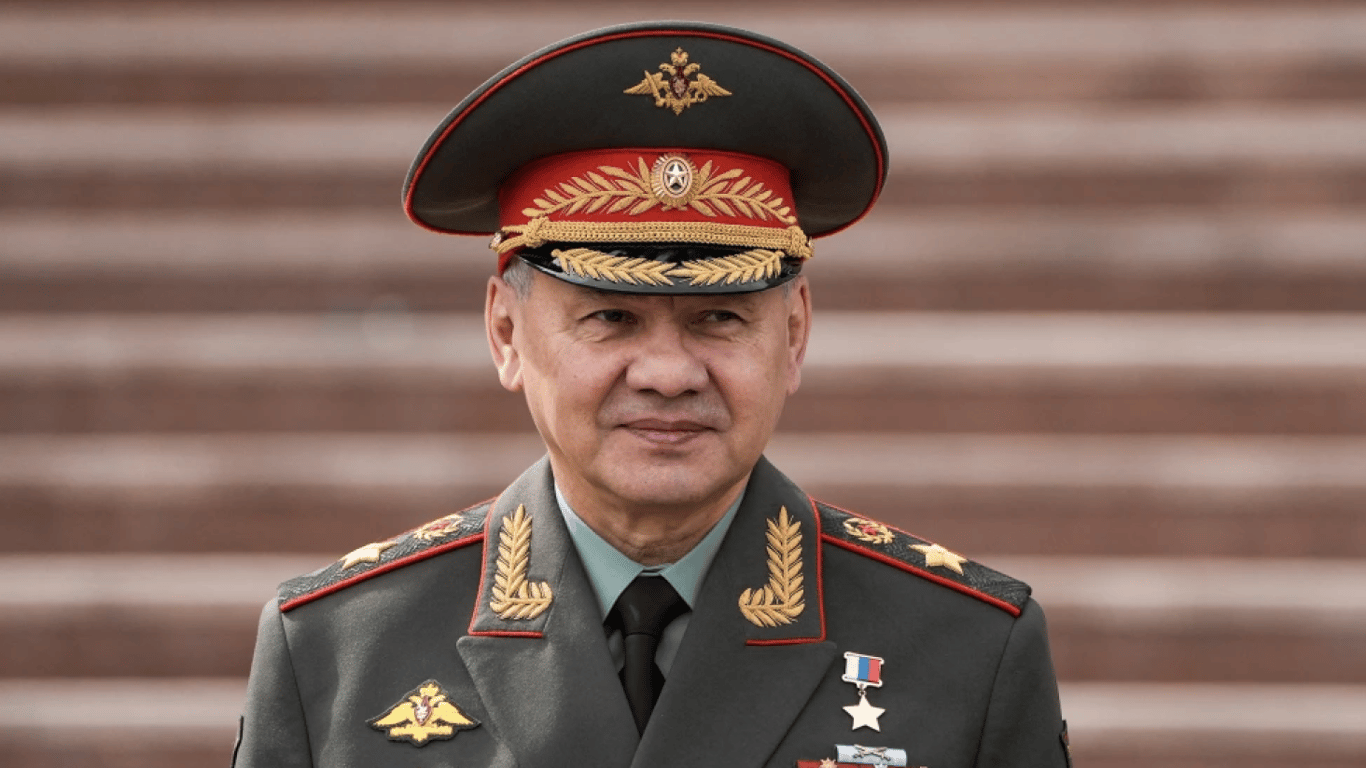
Ex-spokesman for Shoygu on working with the former Russian Defense Minister
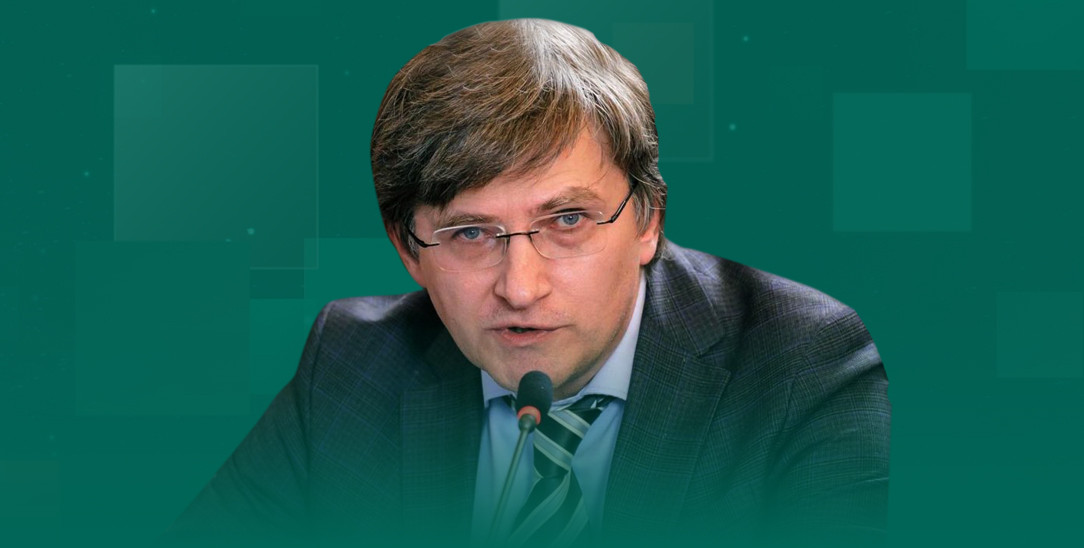
According to Novyny.live: Dmitry Skorobutov, a former press secretary for the Russian Geographical Society, has disclosed details about the organization's media operations, which he says were primarily designed to promote Sergei Shoygu during his tenure as its head. According to Skorobutov, the bulk of resources were funneled into building Shoygu's public image at a time when he was positioning himself to lead Russia's Ministry of Defense.
Skorobutov served as the society's press secretary from 2011 to 2012. At that time, both Vladimir Putin and Sergei Shoygu were at the helm of the organization, with Putin chairing its board of trustees. Skorobutov claims that the overarching goal of the society's media strategy was to elevate Shoygu's profile.
“Our job was to generate PR for Shoygu. The Russian Geographical Society essentially existed for that purpose. I was constantly told the same thing: 'Sergei wants his name to be everywhere, coming out of every iron,'” Dmitry Skorobutov stated.
He further emphasized that “everything else was done for Shoygu. Budgets were allocated for him, projects were launched for him, and the entire media strategy was built around him.”
The role of media work in shaping a public image
This reveals that the Russian Geographical Society's media efforts were heavily focused on crafting a favorable image for Sergei Shoygu—an especially relevant task as he prepared to assume the role of Russia's defense minister. These findings highlight the close interplay between media operations and political ambitions, underscoring how image-building can be critical for political figures.
The situation also underscores the influence of media in creating and sustaining public personas, which can shape both political careers and societal perceptions. It points to a systematic use of media to achieve political objectives in Russia.
Read also
- Putin’s Approval Rating Plunges to 66% as Russia’s Fuel Crisis Worsens
- Why Russia Sees Turkey as a Viable Negotiation Hub: Three Key Reasons
- Fuel Shortages and Rising Prices Drive Russians to Buy Foreign Currency in Droves
- CIA Director: Russian Soldiers Survive Only 30 Minutes on the Frontline
- Capital Flight from Russia: Why Billionaires Are Moving Assets Abroad
- Putin Open to a Deal, Trump Claims: When the War Could End