








Committee Chair Explains Why a Peace Referendum Is Currently Unfeasible.

Committee Chair Explains Why a Peace Referendum Is Currently Unfeasible

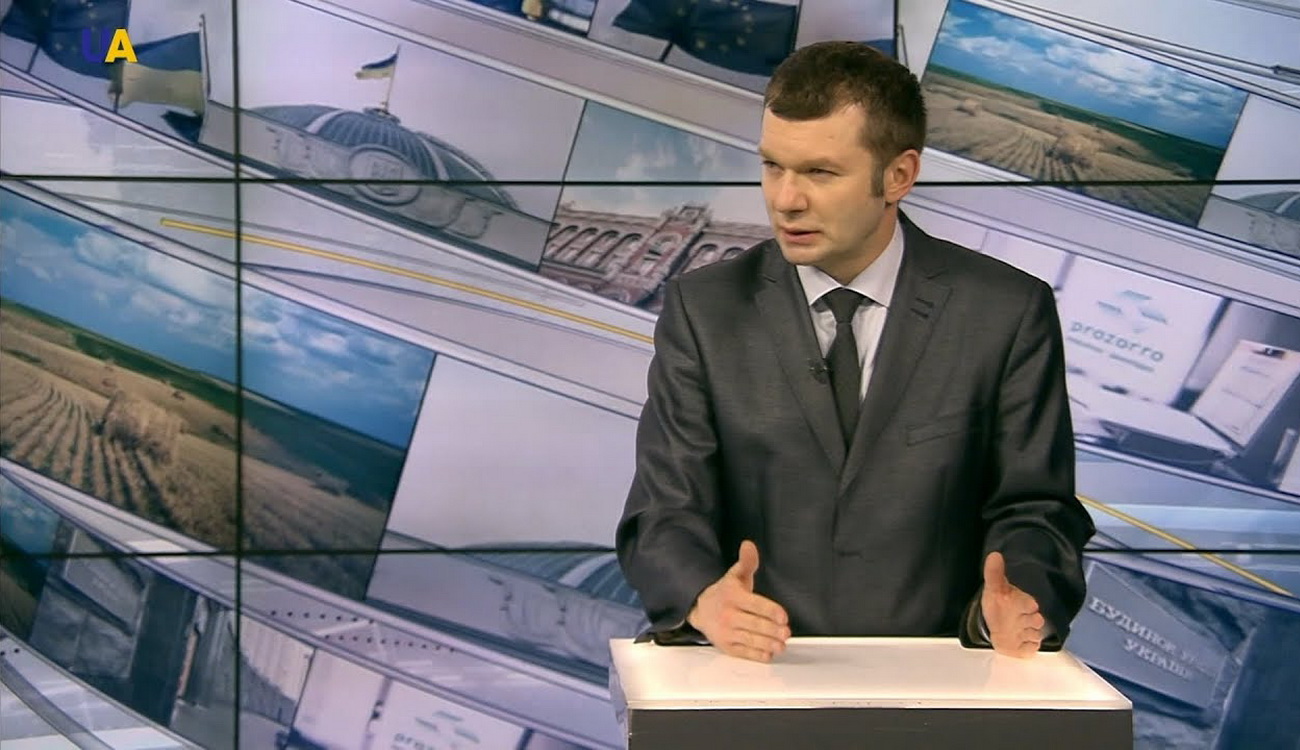
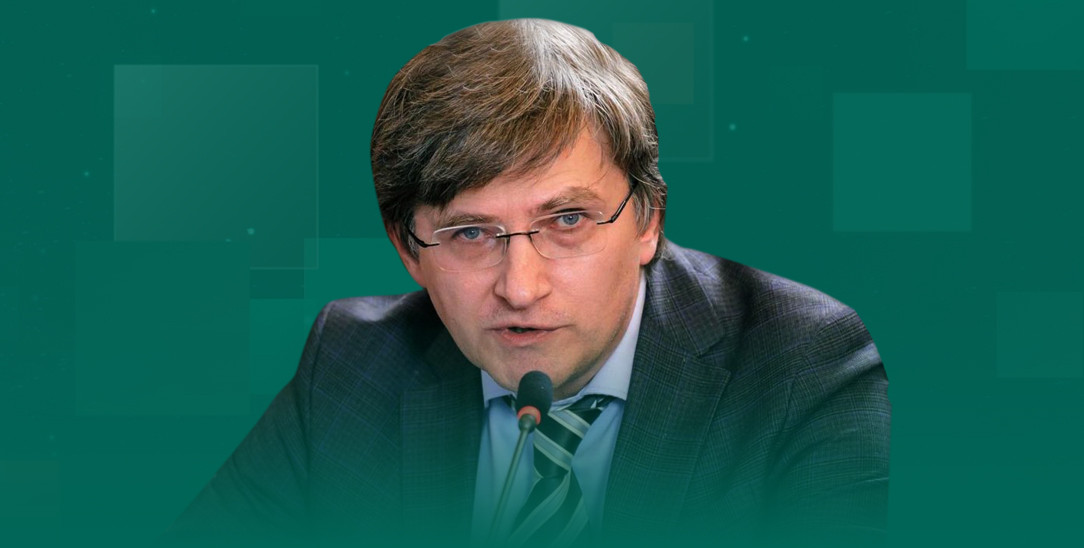
Statement by Oleksandr Merezhko on a Referendum

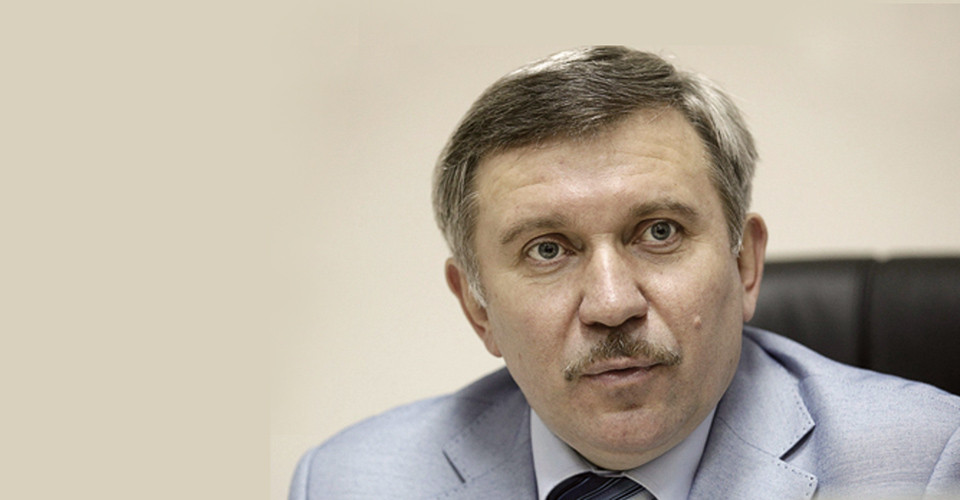
According to TSN.ua: Oleksandr Merezhko, Chairman of the Verkhovna Rada's Committee on Foreign Affairs, has stated that under current conditions, the idea of holding a referendum on a peace plan is not practical. The primary reason is the legal regime in effect during wartime, which makes democratic procedures like elections or referendums impossible to conduct.

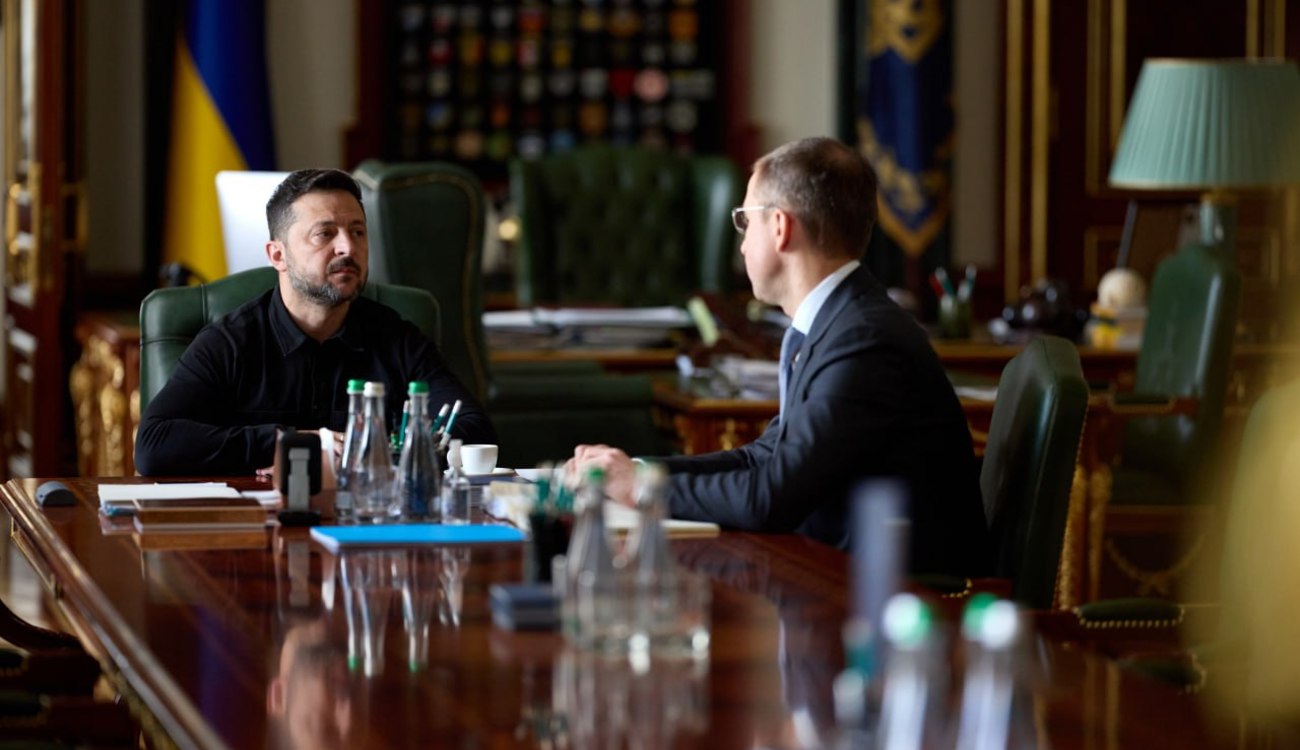
Merezhko emphasized that holding a referendum under martial law, in the midst of an active war, is simply not viable. In a conflict where the country is under attack and facing threats, any attempt to organize a vote would not only be legally questionable but could also pose a danger to citizens. President Volodymyr Zelenskyy has also noted that Russia has no interest in allowing any referendum to take place in Ukraine, which further complicates the situation. This stance reflects the broader challenge of upholding democratic norms while defending national sovereignty.

The Legitimacy Problem for Wartime Referendums

Consequently, while the question of a referendum's feasibility during war remains open, experts and officials are currently unanimous in their assessment: without proper security guarantees, a referendum is impossible. This underscores the complexity and sensitivity of Ukraine's political situation amid the ongoing armed conflict.

In wartime, the legitimacy of any democratic process, especially referendums, sparks considerable debate among politicians and analysts. The issues of security and the nation's legal status during an armed conflict make organizing such events virtually unworkable, which in turn affects political stability within Ukraine. Given the war's duration and its consequences, it is crucial for governing institutions to explore alternative paths toward achieving peace and building consensus among the population.


Read also

Advertising