Europe’s Extreme Heatwave Forces Closure of Over 800 Schools in France as Temperatures Top 40°C.

Record-Breaking Heatwave Sweeps Western Europe
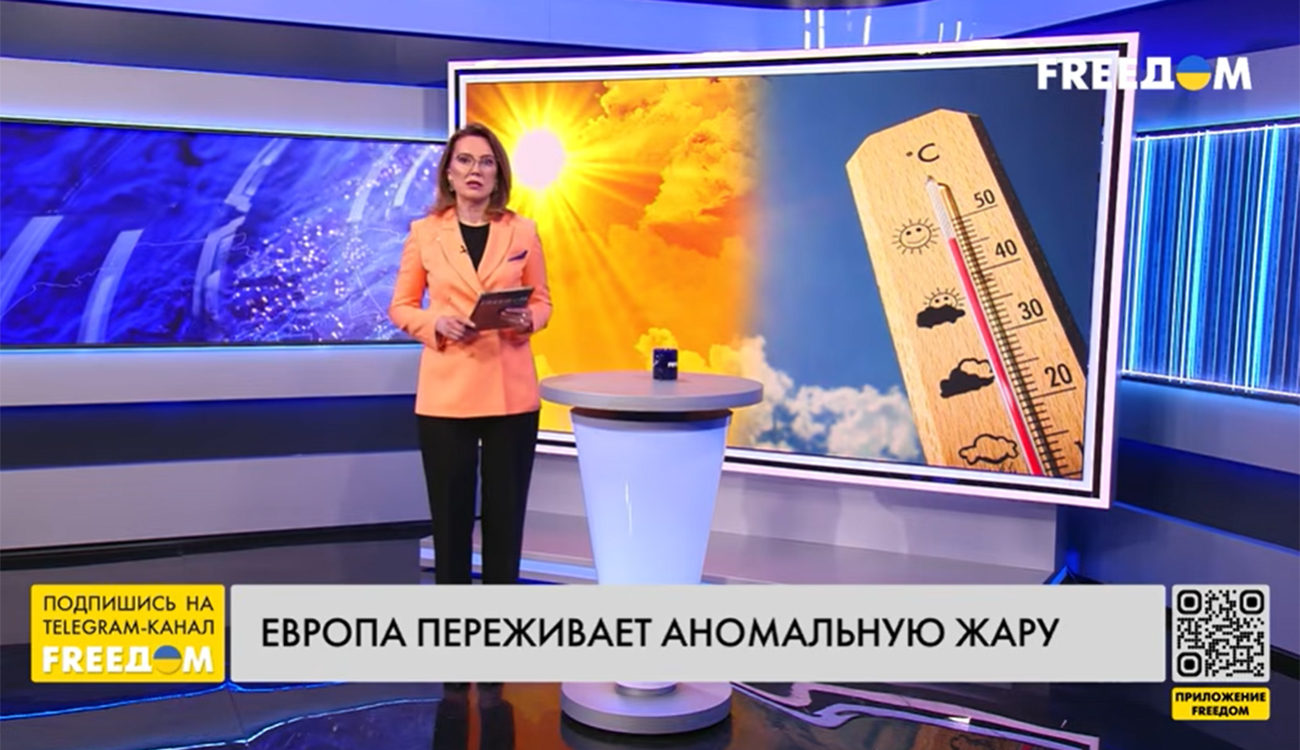
According to UATV: Western Europe is grappling with unprecedented high temperatures, surpassing +40°C, which has severely disrupted daily life and education. In France, more than 800 schools and colleges have suspended operations due to the abnormal heat. Additionally, the country has enacted a 'dry law' banning alcohol sales, underscoring the crisis's severity. In Paris, several schools are shut down, and exams have been postponed to protect students from heat-related health risks.
Impacts Across Other Nations
Madrid also recorded temperatures reaching +40°C, posing a serious threat to residents. Belgium faces similar challenges, with rooftop temperatures potentially soaring to 50–60°C. Over the past few days, one rehabilitation center in Belgium has admitted more than 150 animals in need of urgent care due to the extreme heat.
Residents across the region are struggling to cope with the heatwave.
“It’s terrible, I just can’t sleep at night. But somehow we manage,” remarked a Parisian local.Hailey San Cesario, a tourist from Spain, shared her experience: 'I’m deliberately dressed all in white because it’s so hot. I carry a small electric fan everywhere and constantly drink lots of water. I came to Spain for a vacation, but I didn’t expect this kind of heat'.
Animals are also suffering from the heat, though their reactions vary.
“Animals in our zoo tolerate the heat differently. Some of them are happy about it. Others, like penguins or our dwarf otters, enjoy going into the water to cool off,” explained Marcel Stawinoga.Romain de Jaeger added, “We currently have about 300 animals because it’s so hot here. We’re seeing a massive influx of animals, especially birds that nest under roofs.”
This record-breaking heatwave in Western Europe is creating numerous challenges for both people and animals, demanding urgent measures to ensure safety and comfort. As climate change intensifies, such extreme temperatures are becoming more frequent, highlighting the need for societies to adapt to new environmental realities. Government actions regarding education, public health, and animal protection could be crucial steps in addressing this issue.
Read also
- Drone Strike Wounds Three Children in Kharkiv Region Attack
- Eight civilians injured in Russian strikes on Kherson region on July 12
- Ammunition Depot Blaze in Vyshneve: Company Heads Dismissed After Deadly Explosions
- Three Emergency Workers Injured After Russian Drone Strikes in Bohodukhiv
- Over 40 Russian Strikes Hit Dnipropetrovsk Region, Injuring Five Civilians
- Five wounded after Russian drones strike minibus and bus stop in Kherson