Forced Evictions in Ukraine's Khrushchyovka Renovation: What to Expect from 2026.

Renovation of Ukraine's Khrushchyovka Apartments
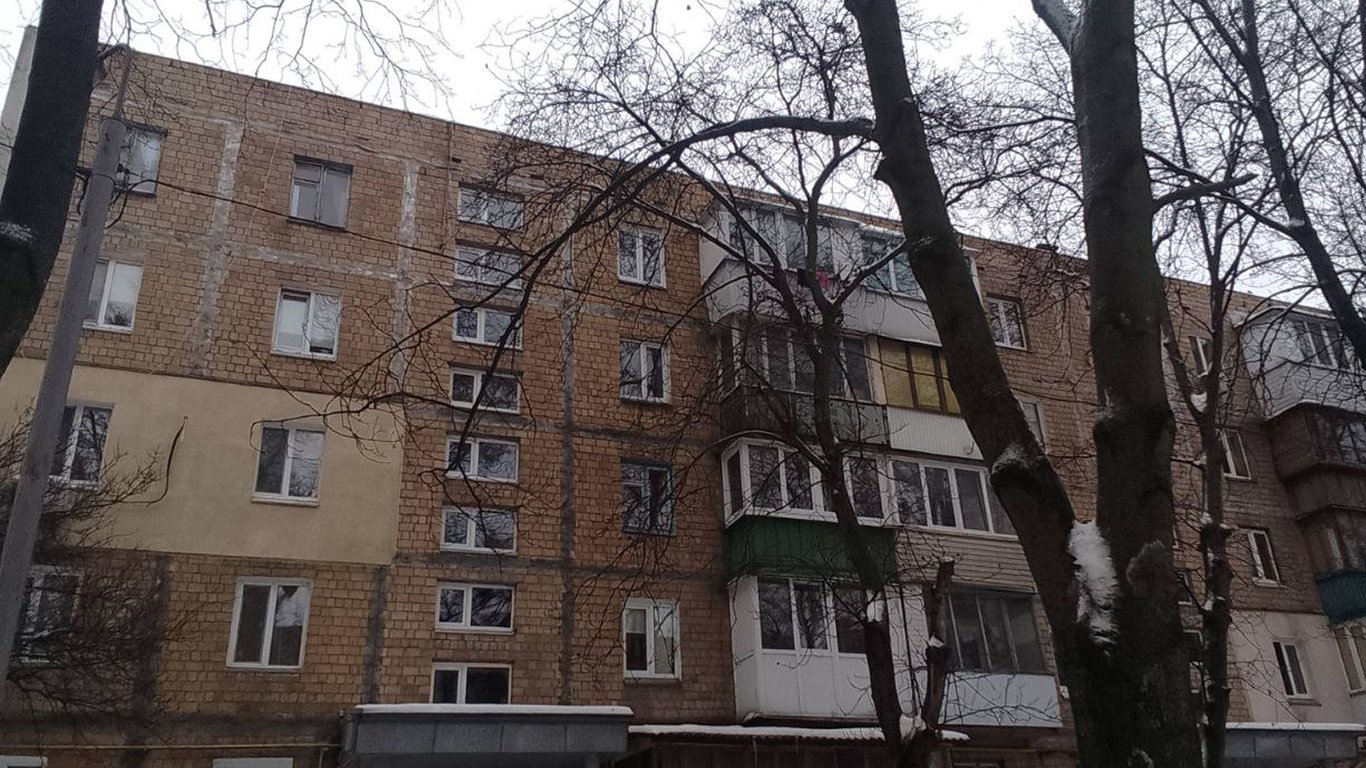
According to Novyny.live: Ukraine is set to begin a major renovation program for its aging Khrushchyovka apartment blocks in 2026. This initiative could, under specific legal conditions, lead to the forced eviction of residents. Such evictions are only permissible if a building is officially declared unsafe or emergency. Even then, residents can only be legally removed from their homes following a formal court order. This process is part of a broader effort to address the country's outdated Soviet-era housing stock.
Forced eviction is strictly governed by Ukrainian law. Article 47 of the Constitution states that the forced deprivation of housing is only possible by a court decision, providing a crucial legal safeguard for citizens. A building's official designation as an emergency structure forms the legal basis for evicting residents who may disagree with the decision. Furthermore, to launch the renovation project itself, consent from at least 75% of the building's co-owners is required.
Residents' Rights Following Eviction
Should eviction proceed, residents' rights are protected under Article 114 of the Housing Code. They are entitled to receive a new apartment that is equivalent in size, properly equipped with utilities, and located within the same city. This guarantee ensures that displaced individuals are not left homeless and can maintain a comparable standard of living.
During this period, residents are advised to be vigilant. It is important to carefully review all housing-related documents, actively respond to official inquiries, and monitor decisions made by the local municipality. Such proactive measures can help protect their rights throughout the renovation process and in any potential legal proceedings. The renovation of these buildings is a complex and sensitive undertaking that demands a balanced approach and strict adherence to the law.
The overarching goal of renovating old residential buildings in Ukraine is to improve living conditions and urban infrastructure. However, it also raises significant questions about the rights of residents who may face displacement. To prevent conflicts and ensure fair outcomes, it is vital that all parties are fully informed of their rights, responsibilities, and the legal framework governing the renovation. This issue remains pertinent for many Ukrainian cities where aging housing stock urgently requires modernization.
Read also
- Three Ukrainians Without Documents Rescued from Occupied Territories Under Bring Kids Back UA Initiative
- Ukraine’s first underground kindergarten opens in Kharkiv, accommodating 260 children
- Ukraine's ports crippled by Russian strikes: 28 vessels hit, 21 killed
- 24 Children Rescued from Occupied Territories by Save Ukraine, Including Injured 13-Year-Old Anhelina
- Woman Faces Up to 7.5 Years in Prison After Attacking Children for Speaking Ukrainian in Poland
- One of the Most Recognizable Voices on Ukrainian Radio, Journalist Oleksandr, Has Passed Away