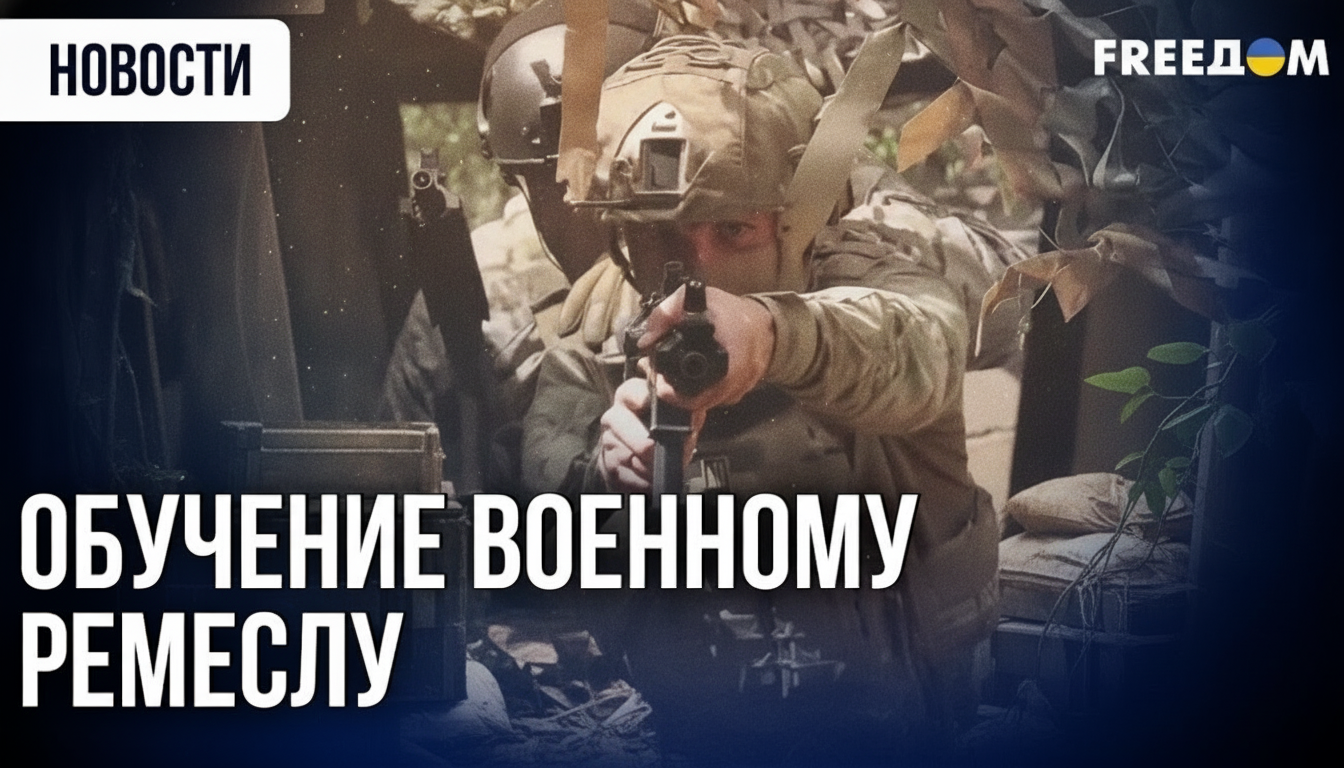
Deferral for Relatives of Fallen Soldiers: How to Apply and Whether to Expect an Automatic Decision.

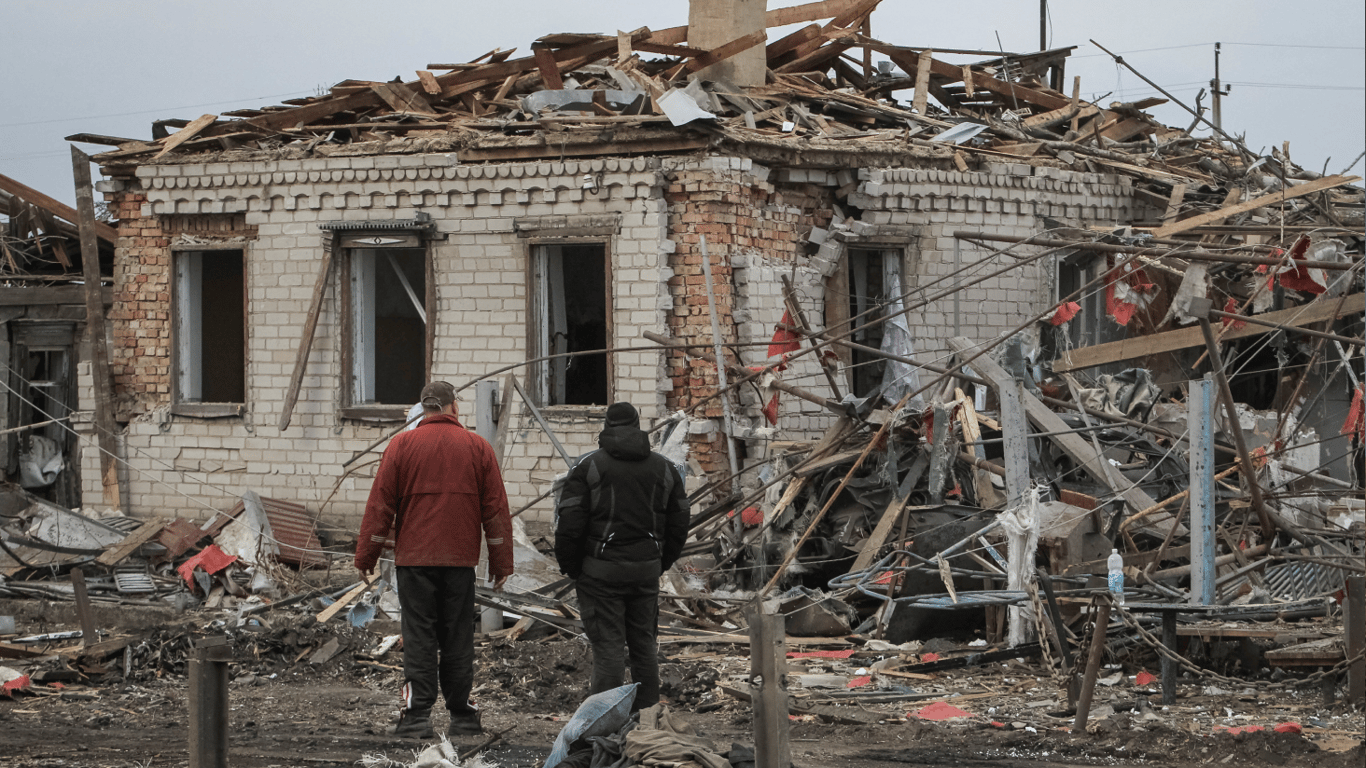
Eligibility for Conscription Deferment
According to Novyny.live: This article examines the right to a conscription deferment for family members of fallen Ukrainian Defense Forces personnel, as well as the prospects for relatives of deceased civilians to obtain such a deferment. Immediate family members of killed soldiers are entitled to a mobilization deferment under current law, which is supposed to be granted automatically. In practice, however, applicants must visit a Territorial Center for Recruitment and Social Support (TCC and SP) and submit a specific set of documents to secure this status.
Challenges for Families of Slain Civilians
By contrast, relatives of civilians who died in the conflict face much slimmer chances.
Vladyslav Deriy notes: 'Unfortunately, the odds of getting a deferment are extremely low, because only relatives of military personnel have that right.'This disparity has raised serious concerns among many people who lost loved ones due to hostilities.
Regarding the application process, Yuriy Ayvazyan explains that
'You can submit a deferment request through a Civil Registry Office (TsNAP), but the commission at the TCC will reject it. After that, you have the right to appeal the refusal in court.'This means that even where the right to a deferment exists, obtaining it can be complicated and may require extra effort.
A particularly troubling aspect involves parents of civilians killed in the war. Ukraine currently lacks clear procedures for granting mobilization deferments to these relatives. This leaves them in a difficult position, as they do not enjoy the same protections as families of service members.
In summary, despite legislation that promises automatic deferment for relatives of deceased soldiers, the real-world situation is far more challenging. Many people encounter obstacles when trying to secure a deferment, causing distress among those who have already lost their loved ones.
This state of affairs highlights the need to revise the existing rules and mechanisms governing mobilization deferments. The issue not only affects grieving families but also reflects the state's broader social responsibility toward its citizens during times of crisis. Expanding the rights of relatives of fallen civilians could significantly ease their burden and promote greater fairness within the social support system. Moving forward, it is essential to refine the law to support everyone who has lost family members as a result of the conflict.
Read also
- 24 Children Rescued from Occupied Territories by Save Ukraine, Including Injured 13-Year-Old Anhelina
- Woman Faces Up to 7.5 Years in Prison After Attacking Children for Speaking Ukrainian in Poland
- One of the Most Recognizable Voices on Ukrainian Radio, Journalist Oleksandr, Has Passed Away
- Crimean Tatars Reclaim Their True History: How Valery Vozgrin’s Work Dismantles Russian Myths
- Ukraine's Birth Rate Drops 16%: Deaths Outnumber Births by Three to One in First Half of 2026
- Real Combat Readiness: How the National Guard's 'Scythian' Brigade Trains Its New Recruits