







Russia launches air balloons from Belarus: how this threatens NATO's security.

Russia launches air balloons from Belarus: how this threatens NATO's security

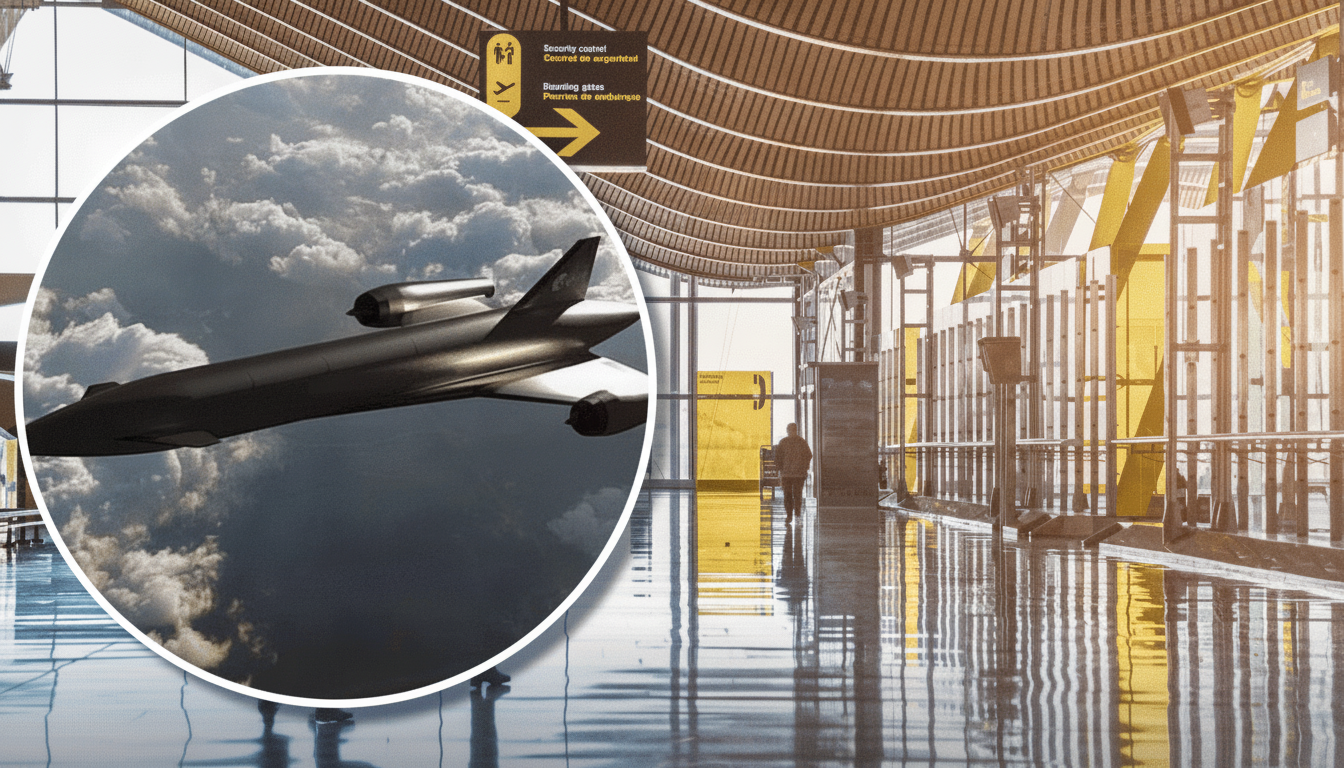
According to ТСН: Russia has begun using air balloons equipped with GPS trackers, which are launched from Belarus and transported to Lithuania. This is causing chaos in air traffic and is a new phase in Russia's hybrid war against Europe.

Since October, the second largest airport in the Baltics, Vilnius, has closed nine times due to mass balloon launches. Over the past year, Lithuanian authorities intercepted at least 550 such balloons, although the actual number of launches is likely much higher, as only about 28% of them were shot down, according to the Baltic news agency 'Belsat'.

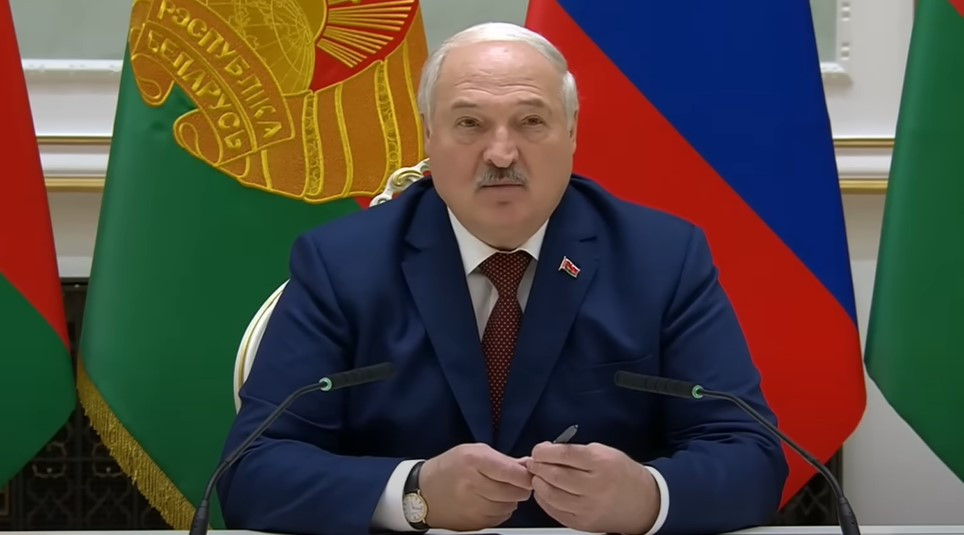
"Lithuanian officials told The Telegraph that the swarm of balloons represents a 'hybrid attack' on the West, carried out with the approval of Belarusian dictator Alexander Lukashenko... They also warned that the balloon launches pose a 'serious' threat to NATO's security on its eastern flank and are 'being carried out in the broader context of Russia's aggressive war against Ukraine,' the article states.

What is the danger

Although balloons are typically used to transport contraband, Lithuanian experts believe that in the future they could be equipped with spy cameras, incendiary devices, or even explosives.

Experts emphasize that these balloons help Russia study vulnerabilities on NATO's eastern flank with each launch.

Since the balloons can rise to heights of over 8000 meters, hitting them with drones or firearm is often simply impossible. There is also the risk that the weight of the balloons, which can reach 50 kg, could cause serious injury or even fatalities during a fall.

Lithuanian officials believe that this tactic is extremely effective as it allows Minsk and Moscow to evade responsibility for actions carried out by petty criminals.

Testing air defense and NATO's vulnerabilities

Eitvydas Bayarunas, former ambassador of Lithuania to the UK, emphasized that air balloons may turn out to be much more dangerous than they appear at first glance.

"If you are preparing for war, you need to know Lithuania's reaction time," he said. "These balloons are not military, but they test NATO's response time and air defense reaction; they reveal vulnerabilities in Lithuania, NATO, and the EU."

Bayarunas also noted that the constant launches of balloons could be used by Lukashenko to strengthen his position in domestic politics.

"These low-cost provocations allow him to remind the West that he can exert pressure on them," he said. "He can tell [Belarusians]: 'You live in a safe country under my rule, while Lithuania faces ongoing crises.'"

Bayarunas also emphasized that the swarms of balloons carry a strategic message to the West.

"This message is: 'You are no longer safe, and do not think that the war is going on in Ukraine - it is already here, but in a different form than Russian tanks crossing borders,'" he said.

The diplomat warned that these balloons could easily be equipped with spy cameras or even incendiary devices, similar to those used by Hamas in Gaza to ignite crops in Israel.

Thus, Russia's new methods of conducting hybrid warfare, particularly the use of air balloons, pose new challenges for NATO. Increased activity in Lithuania's airspace forces allied countries to reassess their security strategies and readiness for potential threats. These events indicate that the conflict may take on new forms, and the international community must be prepared to respond swiftly to such challenges.


Read also

Advertising