A New Russian Mobilization Wave on the Horizon: Timing and Potential Fallout.

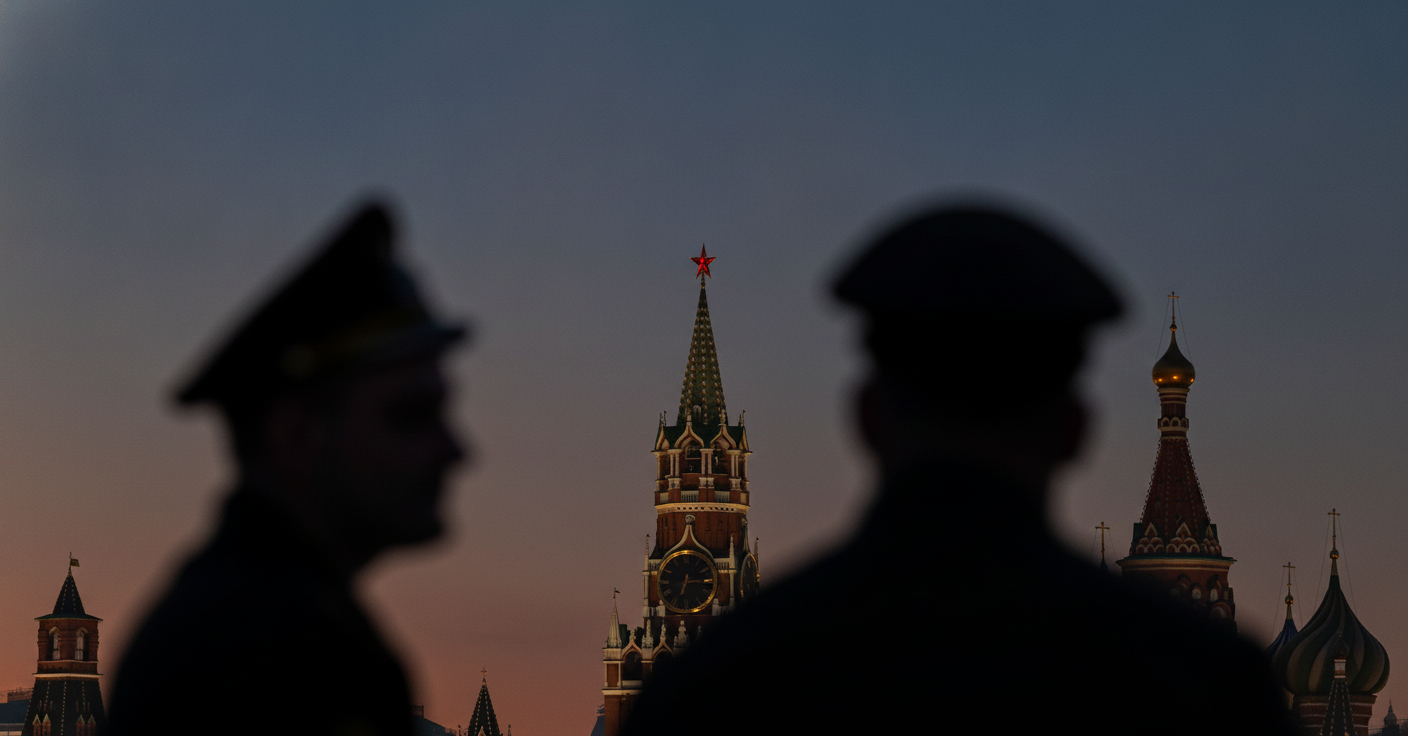
Russia May Face Another Mobilization Drive
According to Espreso.tv: Political analyst Vadym Denysenko has suggested that Russia could launch a fresh wave of mobilization in the fall of 2026. He believes this could take place in October or November of that year, provided the elections proceed without major upheaval. Denysenko stressed that a second round of conscription would be far more challenging due to labor shortages and widespread war fatigue.
According to him, recruitment in the first quarter of 2026 has already dropped by 20% compared to 2025. This decline may indicate a shrinking willingness among the population to engage in military operations. Denysenko also noted that Russia has, for the first time, begun paying citizens to take part in the war, a move likely aimed at incentivizing enlistment.
Denysenko concluded that Vladimir Putin’s plan is to carry out the mobilization in October-November 2026. However, given the existing obstacles, a second call-up could encounter serious difficulties.
Internal Strains and Consequences of Mobilization
The prospect of another mobilization wave in Russia highlights the deep internal challenges the country faces amid the ongoing war. Declining recruitment numbers and growing public exhaustion with the conflict suggest a shift in societal attitudes toward the war. If these mobilization plans come to fruition, they could trigger further social and economic repercussions for Russia, while also altering the military dynamics in the region.
Read also
- Zelensky and Top Military Command Outline Response Plan to Russian Strikes
- EU's New Sanctions Package Targets Crypto Platforms Used to Bypass Restrictions
- New directives for Ukraine's National Security and Defense Council: Zelenskyy assigns tasks to Umerov and Klymenko
- Ukraine Extradites Former Lawmaker Demchak in Major Push to Bring Back Suspects
- EU Adopts 21st Sanctions Package Against Russia: What the New Restrictions Target
- Lithuania Accuses EU Nations of Undermining Sanctions for Their Own Economic Gain