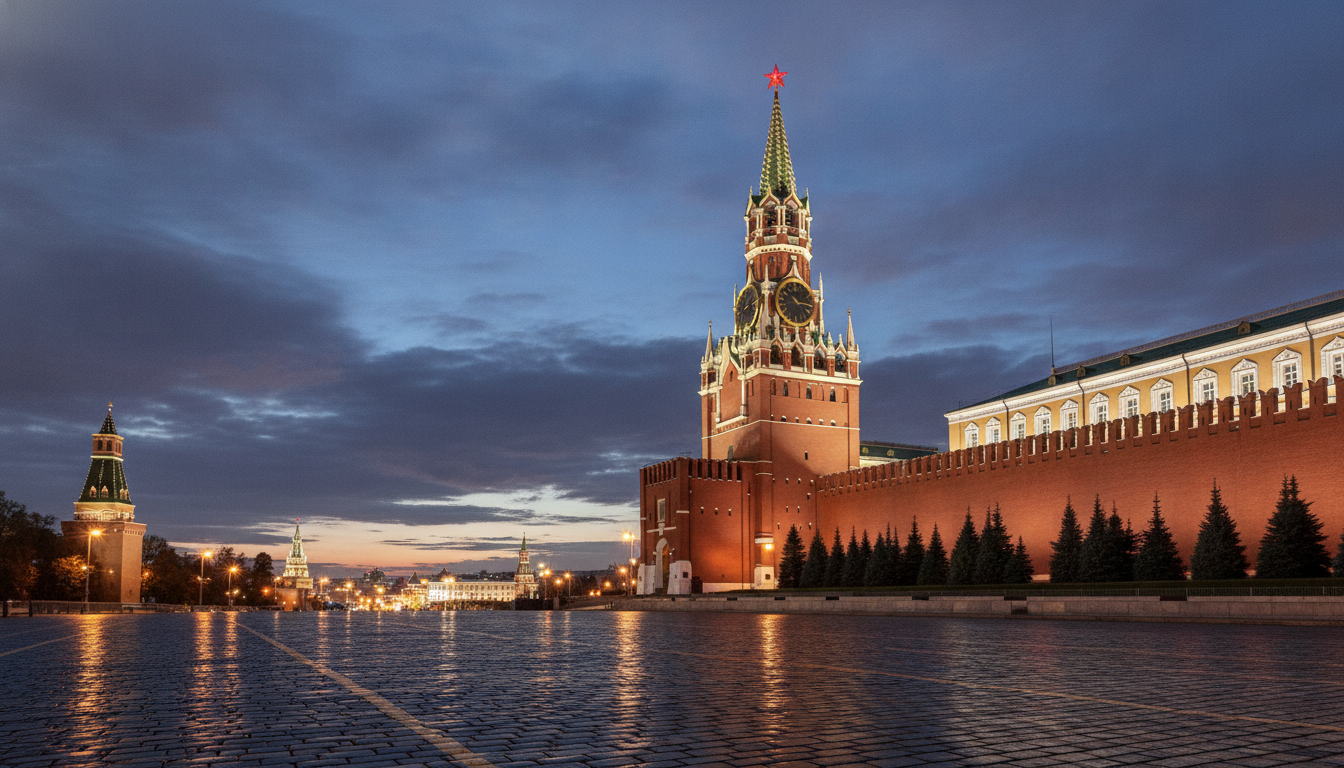
Three Strategic Gains for the Kremlin in a U.S.-Iran War.

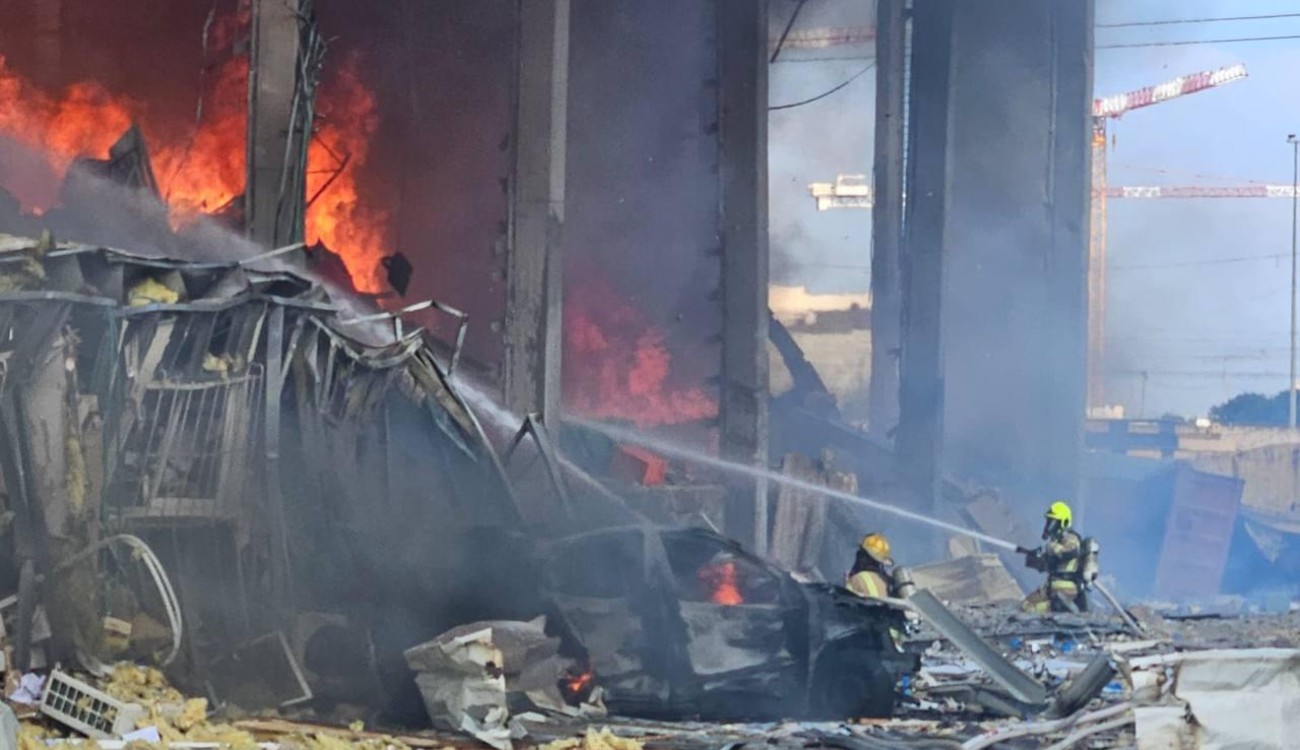
How Russia Stands to Benefit from a U.S.-Iran Conflict
According to UATV: A military confrontation between the United States and Iran could yield significant advantages for Russia. These include a surge in global oil prices, an increased Iranian dependency on Russian weaponry, and a diversion of U.S. military resources and spending. The Strait of Hormuz, a critical chokepoint through which 20% of the world's oil and gas exports flow, would be central to any such conflict. An escalation there would likely drive up energy prices, providing a major boost to the Russian economy, which remains heavily reliant on hydrocarbon exports.
Deepening Military Ties Between Moscow and Tehran
Since 1979, Moscow has supplied one-third of all arms imported by Iran. Should U.S. military action intensify, Tehran's reliance on Russian military hardware would likely grow, further cementing defense cooperation between the two nations. This dynamic would strengthen Russia's foothold in the Middle East, allowing it to exert greater influence over regional conflicts. For context, Russia and Iran have grown closer in recent years, united by their opposition to Western influence and shared geopolitical interests.
Furthermore, the substantial costs of a U.S. war with Iran could undermine Washington's capacity to provide military aid to Ukraine. The assassination of Iran's Supreme Leader Ali Khamenei in a U.S.-backed Israeli strike has reportedly heightened the paranoia of Russian President Vladimir Putin, potentially signaling strategic shifts in international alignments. Consequently, Russia is positioned to capitalize on the fallout from a U.S.-Iran confrontation.
An escalation between the U.S. and Iran would dramatically reshape the regional geopolitical landscape, altering the balance of power in the Middle East. Rising oil prices would not only stimulate Russia's economy but also intensify global competition for energy resources. In turn, a stronger Russo-Iranian military alliance would pose new challenges for the United States and its allies, particularly regarding support for Ukraine and the management of other regional disputes.
Read also
- Khamenei’s Funeral Procession Reaches Iraq: Supreme Leader’s Coffin Taken to Shia Holy Sites
- Hundreds of Thousands Gather in Iran for Khamenei’s Funeral: July 4 Date Was No Coincidence
- Iran’s New Supreme Leader Mojtaba Khamenei Still Missing from Public View: What’s Going On?
- The $40 Billion Price Tag of America's War with Iran: How It Hit U.S. Households
- Trump Signs Landmark Deal with Iran: Ceasefire, Sanctions Relief, and Nuclear Terms Take Center Stage
- Over $3 Billion Unlocked for Iran by UAE in Deal to Halt Attacks