







Expert Warns Against Expecting Russia to Halt Its War Due to Casualties.

Expert Warns Against Expecting Russia to Halt Its War Due to Casualties

Expert Analysis of Russian Aggression

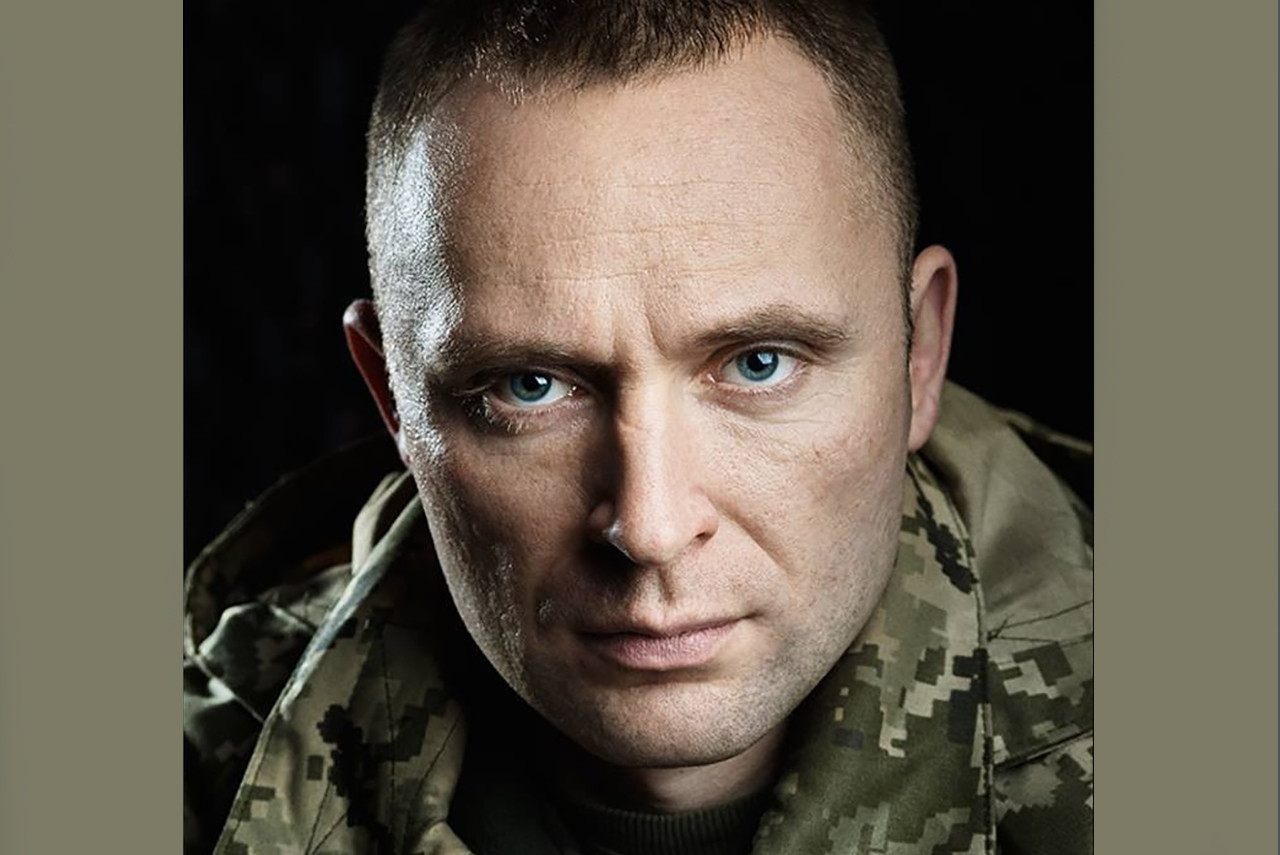
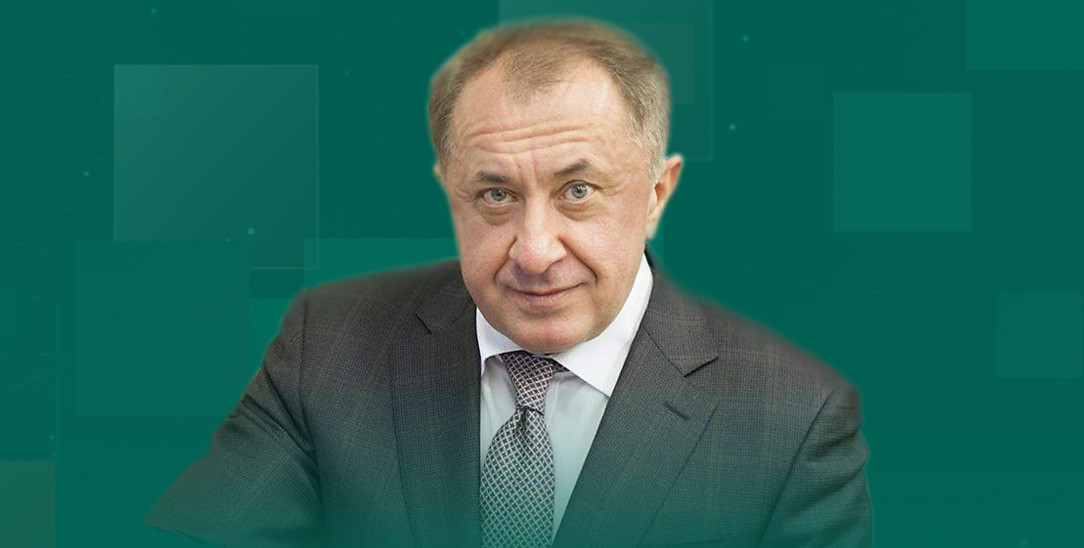
According to TSN.ua: Bohdan Krotevych, former chief of staff for the Azov Special Operations Brigade, has stated that Russia will not cease its aggression despite suffering massive human losses. Independent research, he notes, suggests the total number of deceased Russian military personnel may be around 155,000, with actual losses potentially reaching half a million. This assessment comes amidst a protracted conflict where casualty figures are a key metric of the war's intensity.

Valerii Zaluzhnyi, former Commander-in-Chief of Ukraine's Armed Forces, has acknowledged the error in hoping that Russian President Vladimir Putin would stop the war after incurring heavy losses. Krotevych emphasized the danger of this misconception, stating:

“This is also a very dangerous thing. To lie to yourself. To calculate when the Russians will run out - that is absolutely the wrong thing to do.” - Bohdan Krotevych

Resource Mobilization and the Reality of War

Furthermore, according to data from Ukraine's General Staff, 1,247,580 Russian soldiers had been eliminated as of February 9. Simultaneously, Russia maintains a youth paramilitary organization, 'Yunarmiya' (Youth Army), with approximately 200,000 teenagers in its ranks. Krotevych stressed that it was always clear to him that expecting Russia to halt its aggression after losses was a 'major mistake'.

These comments underscore the grim reality of a war where Russia, by expert assessment, continues to mobilize resources despite staggering casualties. The statements from Krotevych and Zaluzhnyi highlight a need to reassess strategies for countering Russian aggression. In conditions of ongoing warfare, it is crucial to consider not just casualty numbers, but also the long-term strategy and political will of both sides in the conflict.


Read also

Advertising